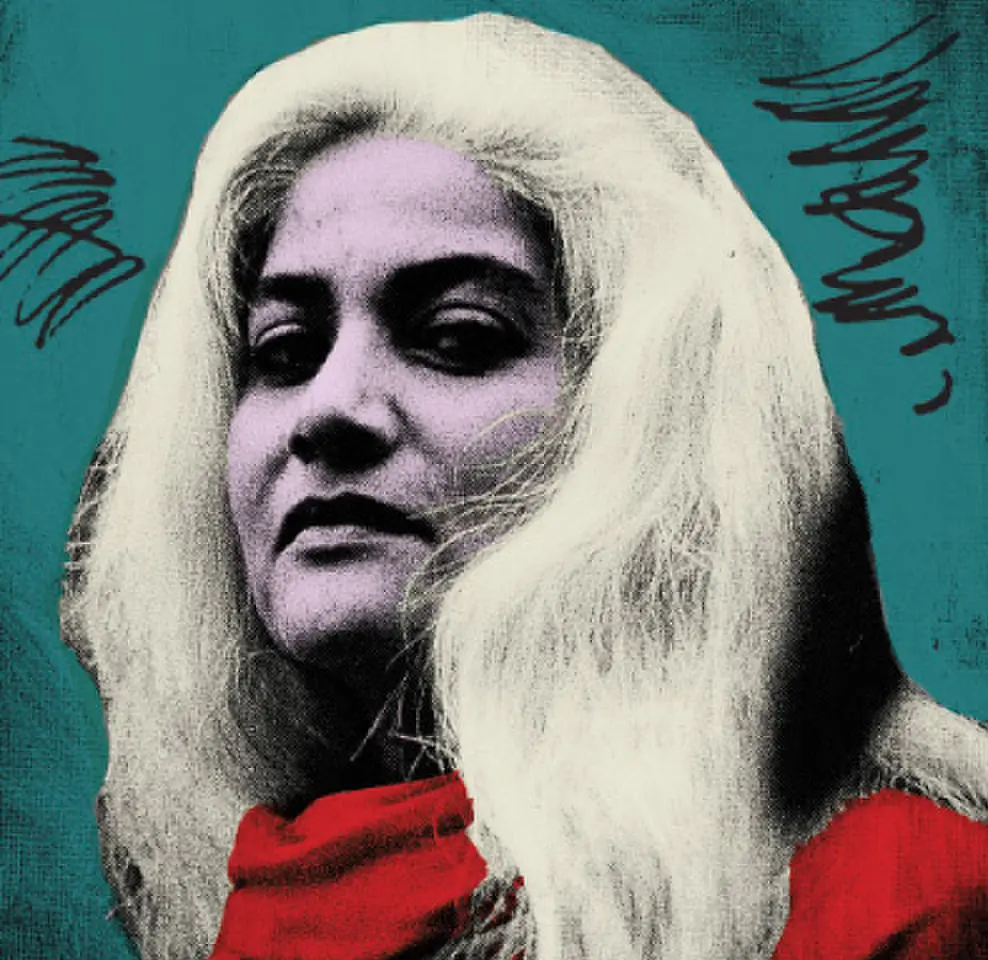
The youth of the world has had enough. Yearning for change has turned into desperation for change.
A heavy sense of despair drives the very young on to the streets to face arrest or worse. Students have protested in the past. What is different this time is the organic spread of protests across the globe, each protest with its own focus — success made possible by phone apps and features such as Snap Map and Ghost Mode. Also new is how young the protestors are, with some as young as 10-years-old.
Starting in Bangladesh in 2024 and Nepal in 2025, the protests have turned into an avalanche of youth protests from India to Europe, from South America to Indonesia by 2026. Today, there are over 1.8 billion young people between the ages of 10-24 facing an uncertain future. Hard work no longer guarantees success. They protest failing education structures, corruption and nepotism, irresponsible climate policies and oppression by the powerful few. They are on the streets not by choice but with no alternative.
Capitalism sees opportunity in the promise of artificial intelligence as a more efficient way for businesses to grow, making education, which since the 1980s was designed to train a work force, no longer worth investing in. The Industrial Revolution put the West on a bullet train to progress, yet it has been shadowed by concerns for its consequences.
From climate inaction to the Palestinian genocide, young people are finding common cause in their refusal to accept the world as it is
Apocalyptic and post-apocalyptic novels and films warned of the destruction of the world, rogue technology and climate disasters, not as an act of God but engineered by mankind. The obsession with dystopia has moulded minds, normalising images of fear and dread, and justifying redirecting funding to military capability and Space X-type of projects to counter what the writer Lauren Reiff calls “pre-meditated tragedy.”
In Pakistan, education has been suppressed for too long to be a collective force. The precarious journeys to schools, symbolised by the 2023 Battagram cable car disaster, and the recent school roof collapse in Peshawar, highlight how educational aspirations have been sidelined for generations. People in Pakistan quietly accept ‘ghost schools’ and the leaking of exam papers, which so outraged Indian youth.
Jobs offered as personal favours rather than capability removes the motivation of striving for excellence. Survival becomes the uppermost aspiration, across all class divides — from daily wagers to industrialists. The piled dust of decades-long indifference to the needs of the people lifts momentarily only to settle again. Recent protests rally around the symbol of unjust imprisonment — a metaphor for the social and economic imprisonment that has restrained progress for decades.
It has been 41 years since Michael Jackson and Lionel Ritchie inspired the youth with their song ‘We Are the World.’ The children of that time are now in their 50s. It took the next generation to feel empowered by the words: “There comes a time, when we heed a certain call, when the world must come together as one.” The ‘Keep Calm and Carry On’ generation is over. The era of going off the grid, which psychologist Carl Jung called “the necessary withdrawal for survival”, is no longer possible.
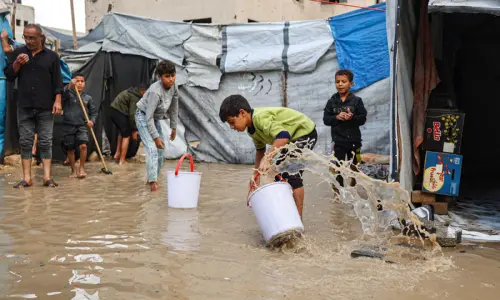
The tipping point is said to be the unrelenting trauma of the Palestinian genocide, which has challenged our collective humanity. It has, as United Nations Special Rapporteur on the Occupied Palestinian Territories Francesca Paola Albanese puts it, stripped away the comfort of looking away. Albanese addressed a stadium full of youth at the musician Macklemore’s concert in Paris on October 29 this year, calling out “institutions that shield it [the genocide], the corporations that fund it and the entire system that profits from its depravity.”
She called it “humanity stripped of its dignity, domination called ‘civilisation’, a concentration of extractivism, of militarism, of finance, of corporations and technology” that has for centuries stripped the world of its resources, trampled human rights and persecuted all who spoke up.
‘The Palestine Effect’, as it is called, encapsulated by sumud [a Palestinian word for steadfastness even in martyrdom] has awakened millions. Albanese ended her address with these words: “To those who shield the powerful and threaten those who refuse silence, I have three words for you — walk with us.” As a protestor put it “humanity has to win.”
Durriya Kazi is a Karachi-based artist.
She may be reached at
durriyakazi1918@gmail.com
Published in Dawn, EOS, November 8th, 2026