
Spinach is among the easiest leafy vegetables to cultivate, and I usually recommend it to beginner gardeners. The plant’s life cycle offers beginners a useful introduction to growing vegetables at home. Spinach has shallow roots and grows to a maximum height of two feet — making it ideal for home gardens. As long as its light and water requirements are met, spinach can be grown in containers of various sizes or any garden bed.
Botanically known as Spinacia oleracea, spinach belongs to the Amaranthaceae family. Commonly known as paalak in South Asia, it is available in several varieties in Pakistan. While seasonal spinach is primarily grown in winter, some varieties are cultivated throughout the year.
The easiest way to obtain spinach seeds is to purchase them from a seed store, where gardeners can also find varieties suited to local growing conditions. Spinach seeds typically remain viable for one to three years, although they can last up to five years if stored in cool, dry and dark conditions. The germination rate, however, tends to decline with age. Some commercially available seeds may also be treated with fungicides to protect against seed-borne diseases.
Experienced gardeners who grow spinach regularly often prefer to save seeds from their own plants. For some of them, the process of harvesting spinach seeds, which can take up to two months, is rewarding in itself.
Whether in a small pot or a spacious garden bed, spinach is a rewarding vegetable for beginners. Here’s how you can get started…
Harvesting spinach seeds is relatively simple for an experienced gardener. As the spinach plant bolts, its central stem elongates rapidly, eventually producing a tall flowering stalk. Leaf production declines as the plant begins flowering. Male flowers produce pollen, while female flowers develop seeds following pollination.
As the flowers turn dry, seed clusters become visible in the leaf axils — the angles between the leaves and the stems. The clusters gradually harden and turn brown. Once mature, they can be removed from the plant and dried further before being threshed and winnowed to separate the seeds from the surrounding plant material.
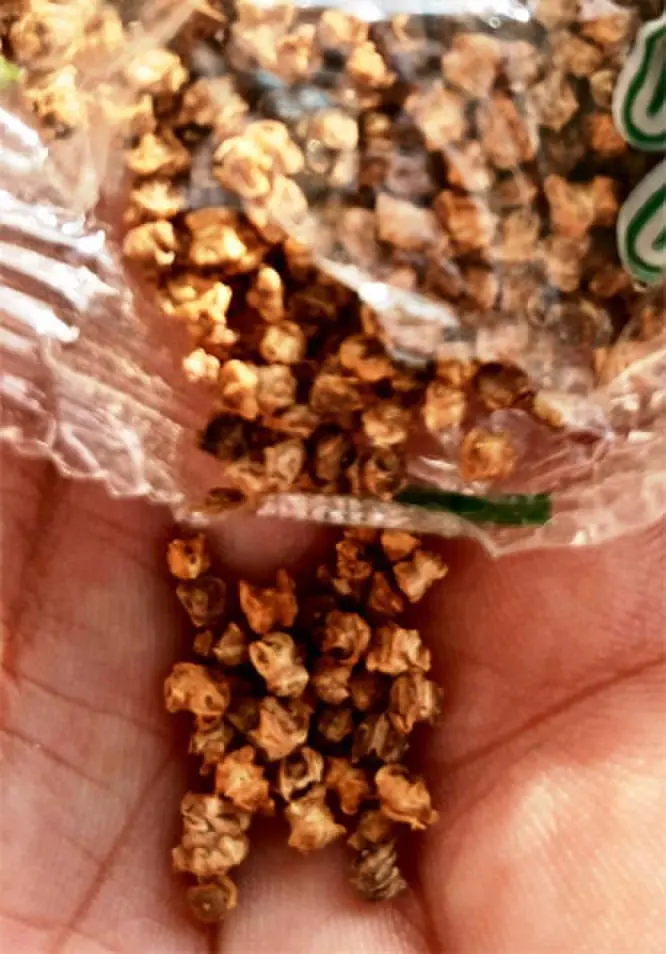
Spinach seeds are generally light to dark brown and relatively lightweight. They have irregular shapes, with ridges that give them a somewhat spiky appearance. Depending on the variety, spinach seeds range from 0.3 to 0.6 centimetres in size. Some varieties, however, produce rounder, smoother seeds.
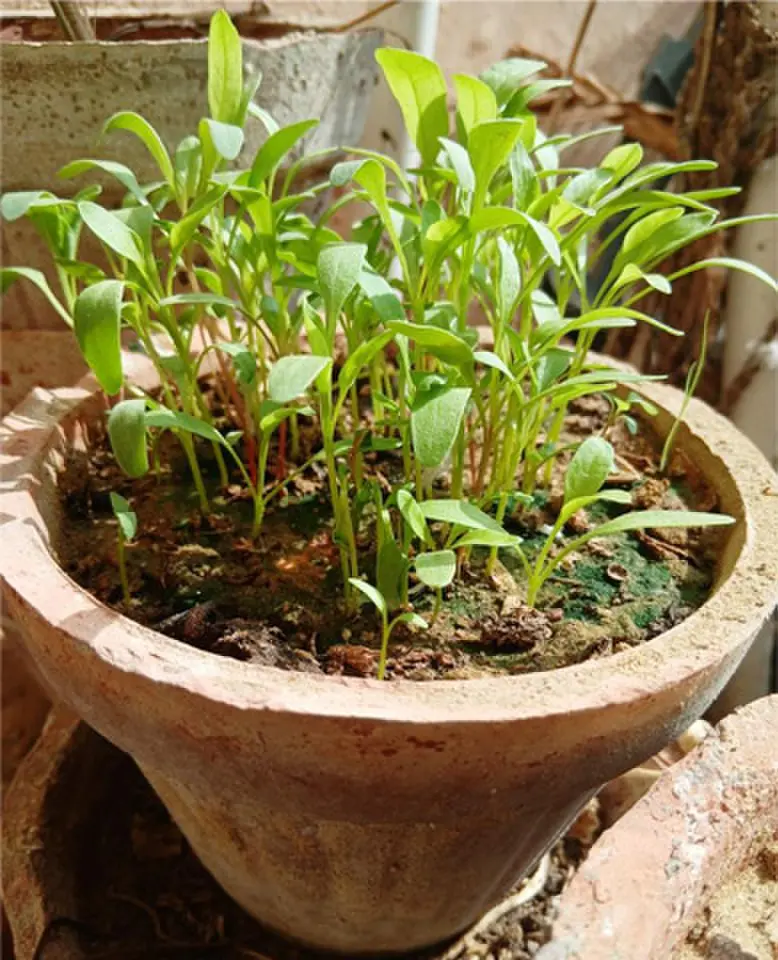
To sow spinach in a pot, first moisten the soil and then scatter the seeds across its surface, keeping them at least an inch apart. Cover the seeds with a thin layer of fine compost mixed with potting soil. Alternatively, sow the seeds directly into the ground, about half an inch to one inch under the soil surface. Once the seedlings emerge, thin them out as needed to allow sufficient room for healthy growth.
Spinach can be grown in containers of various sizes, and also in raised beds. When growing spinach in rows across open land, leave at least one foot between rows. Alternatively, sow one seed in each cell of a seedling tray. After sowing, lightly mist the soil with water. Cover the container with a plastic sheet to retain moisture and place it in a shaded location. Remove the cover once the seeds begin to germinate.
Spinach is primarily a winter vegetable, and its seeds germinate best in temperatures ranging from 15 to 20 degrees Celsius. These temperatures encourage healthy germination and plant growth. Under suitable conditions, seeds can be sown between October and November.
In warmer regions such as Karachi, sowing schedules may need to be adjusted to account for the shorter winter growing season. Early sowing gives the seeds time to germinate and establish seedlings before winter. However, high temperatures can slow their growth.
Under favourable conditions, fresh spinach seeds may germinate within three to five days. Older seeds can take longer to germinate and may have lower germination rates, depending on how they have been stored.
Please send your queries and emails to doctree101@hotmail.com. The writer is a physician and a host for the YouTube channel ‘DocTree Gardening’ promoting organic kitchen gardening
Published in Dawn, EOS, November 8th, 2026