On March 29, 1857, Mangal Pandey, a sepoy [infantry soldier] in the British East India Company (EIC) army, set in motion the great Indian ‘Revolt’. By the time the ‘rebellion’ was quelled, more than half of the 9,000-strong British forces were dead or wounded and 5,000 of the estimated 40,000 rebels. Members of the Mughal royal family and the elite were hunted down and killed, while others tried to blend into the populace to escape.
However, the reprisals of the 1857 revolt did not just result in the loss of life. There was a systematic effort to erase the memory of the Mughals altogether. The crown of the last emperor, his throne, the royal hookah, wall panels, manuscripts, jewels and artwork were looted and taken to Britain. What could not be transported was destroyed. Eighty percent of the walled city of Delhi was razed to the ground — including the magnificent palace, gardens, mosques and homes of elite residents, guards and servants. It was only stopped from complete erasure by the intervention of Sir John Lawrence, Viceroy of India from 1864-1869.
The Jama Masjid survived but would be used as stables and an army camp. The Diwan-i-Aam [Hall of Audience] became a military hospital. The tree-lined canals were filled to build paved military roads. More than a palace, the Delhi fort represented the Mughal way of life, with craft workshops, markets, kitchens and leisure spaces for public or private use. Destroying it was a deliberate act to humiliate, disempower and erase the culture of 600 years, to break the spirit of the people so completely that they could never rise again.
The Egyptians and Romans struck off the noses of statues of deceased or rejected rulers, the Spanish Conquistadors built cathedrals on flattened temples, coins were defaced in an act of damnatio memoriae [damnation of memory]. Statues have been toppled — Vladimir Lenin, Saddam Hussein, Bamiyan Buddhas and, more recently, statues of slavers and colonialists.
From the ruins of Mughal Delhi to Karachi’s disappearing heritage, the destruction of the past has long served as a means of power, profit and cultural erasure
Sometimes, the past is erased in the name of progress, as in the remaking of Paris between 1853 and 1870 by the architect Baron Georges-Eugène Haussmann, displacing the memories of the old city. Almost every modern US city is built on lands that belonged to Native American nations. Ironically, the United Nations headquarters in New York City was built on the site of a slaughterhouse.
In Karachi, the past is destroyed by indifference. Heritage buildings are pulled down but, unlike Paris, the new buildings make no aesthetic statement. Iqbal Centre on M.A. Jinnah Road was built upon a historic Christian cemetery. Karachi’s beautiful Amil houses with Nusserwanji tiles are not only being rapidly pulled down, they don’t even make it into the list of Government of Sindh’s heritage buildings. An apartment block in Gulistan-i-Jauhar was built over a site where prehistoric tools were found. Destruction for achieving power transforms into destruction for profit.
Religious or ideological zeal destroyed many libraries across the world, as an act of culturicide (killing a culture). The domes and grave markers of Jannat al-Baqi, the oldest and one of the most sacred Islamic cemeteries in Medina, were razed to the ground by Wahabi ideologues. The much-cherished 14th century market, Souq Al-Qaisariya, a symbol of Gaza’s history and resilience, was reduced to rubble by Israeli strikes in 2024.
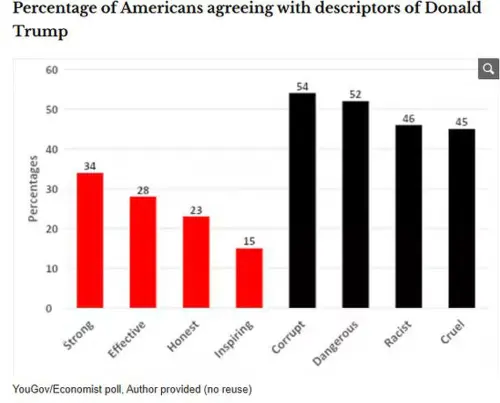
Along with physical destruction, there is also the intentional erasure of languages, oral traditions, social rituals, music and traditional skills, to dismantle a community’s identity, history and sense of belonging. Journalistic iconoclasm exposes powerful figures or institutions, destroying their carefully constructed personas. Modern day politicians try to win over electorates by destroying an opponent’s reputation rather than by the policies they would implement if elected. Demeaning labels, including racial slurs, pejorative terms for women, humiliating terms for class and caste, make individual personalities and achievements invisible.
While the public domain sways towards prescribed aspirations and opinions, at a people level, cultural memories, dyed in centuries of tradition, refuse to be erased. Wedding clothes, family recipes, religious festivals are celebrated as they always have been. A poet or novelist may write in an international language, but the story told may remain deeply connected to cultural roots.
The Moroccan city Fez has uniquely maintained a policy since the ninth century of seamlessly adding to rather than removing what was built by past rulers, honouring rather than defacing the past.
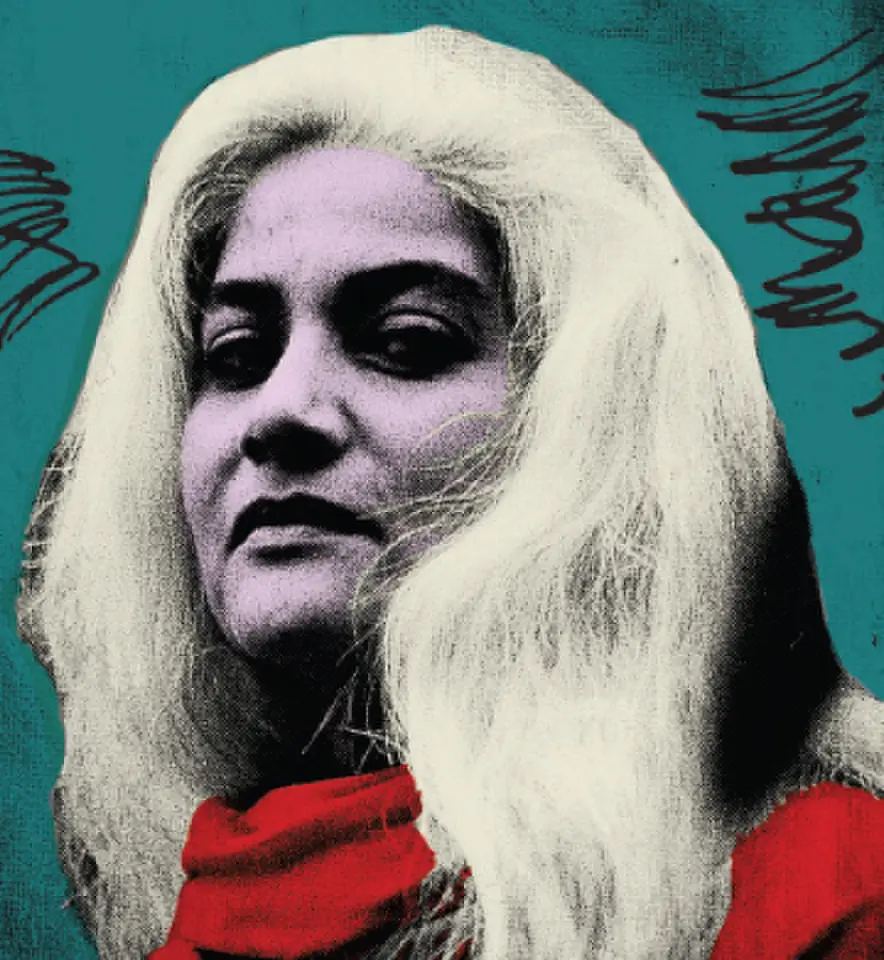
Durriya Kazi is a Karachi-based artist.
She may be reached at
durriyakazi1918@gmail.com
Published in Dawn, EOS, October 25th, 2026