Why India's tens of millions of voter deletions have led to widespread protests
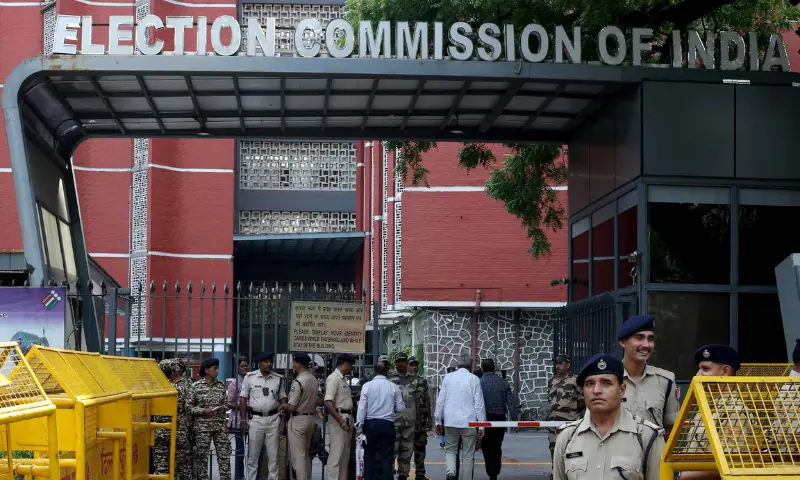
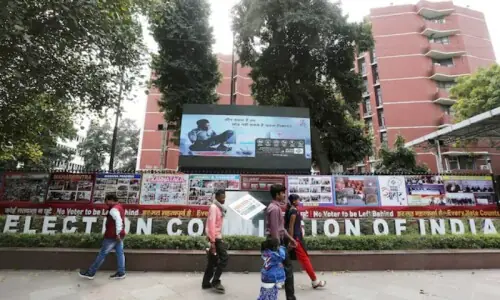
India’s verification exercise of its nearly one billion voters has sparked protests across the country, with opposition parties alleging that the removal of 130 million names from electoral rolls has unfairly benefited Prime Minister Narendra Modi’s party.
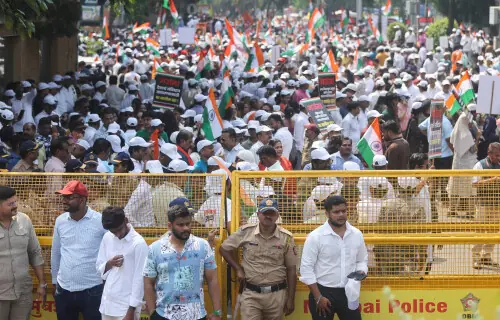
Opposition parties and the youth-led Cockroach Janta Party are demanding the ouster of Election Commission chief Gyanesh Kumar and have vowed a huge protest in the capital, Delhi, on Saturday.
Election Commission data cited by Modi’s Bharatiya Janata Party shows about 130 million names, more than the population of Japan, have been deleted from electoral rolls during the verification exercise, including 63 million people who had relocated and 30m who could not be traced.
The BJP and the Commission deny allegations of manipulation, although opposition parties say Muslim voters and other minorities, who are unlikely to support the Hindu nationalist ruling party, are disproportionately impacted by the deletions.
They say the deletions have affected the outcome of some recent state elections that the BJP won, and have cast a shadow on the electoral process in the world’s biggest democracy.
The BJP says Modi’s popularity and India’s economic growth are some reasons for their electoral dominance.
Here are some details about the voter verification drive, which has become one of the biggest political controversies of Modi’s 12-year tenure ahead of crucial state elections starting early next year.
What’s happening?
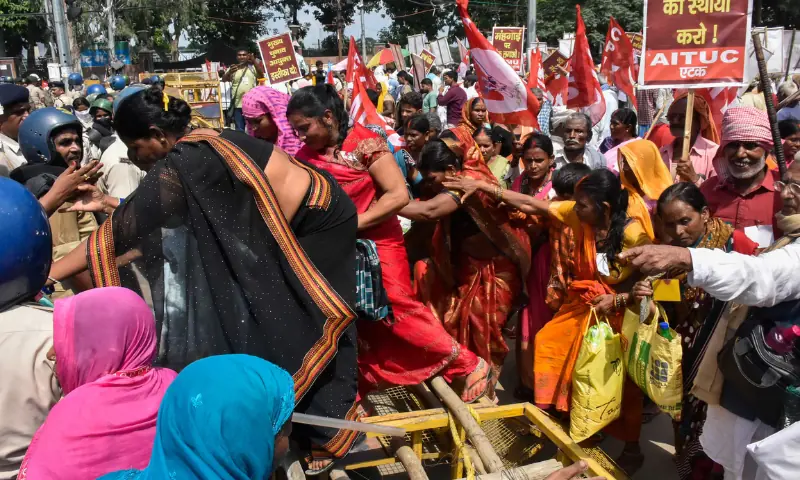
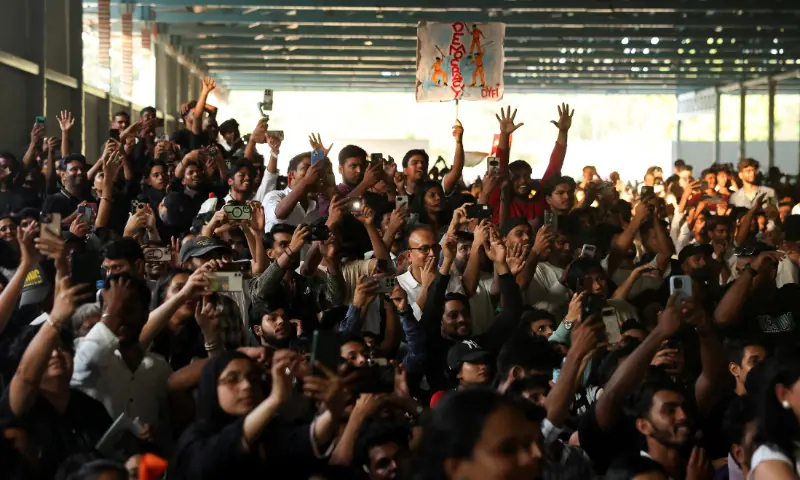
Supporters of the Cockroach Janta Party youth movement, farmers’ groups and opposition parties are set to protest in Delhi on Saturday, demanding the resignation of Kumar.
Police say they have not granted permission, and CJP has reported preemptive detentions of some protest leaders.
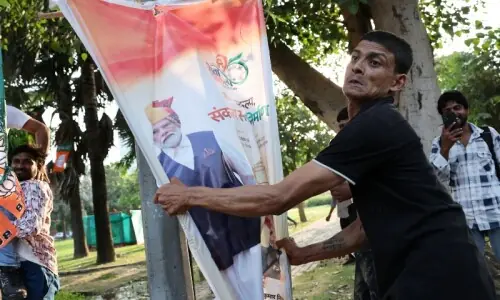
Sporadic protests have been going on across India since a report by the Indian Express newspaper in late September said Kumar’s two deputies raised several concerns internally about voter list revisions, registration procedures and digital systems.
The Commission says differing views are normal in internal deliberations, and has denied favouring any party.
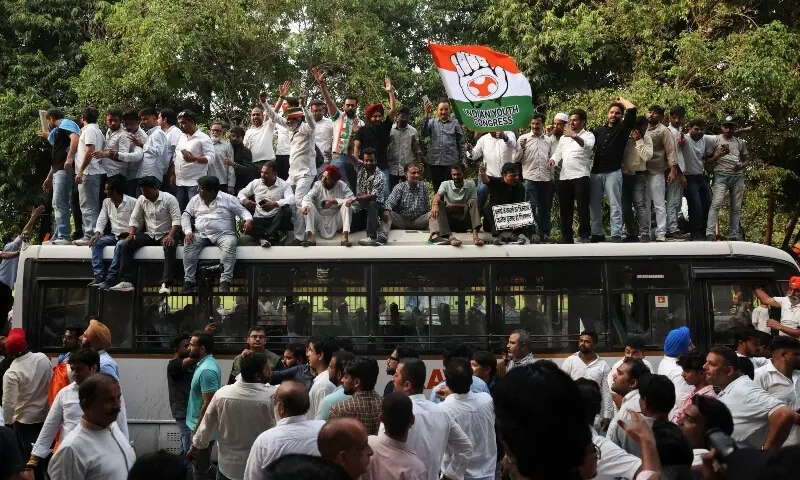
Modi’s BJP has accused groups opposed to it of trying to undermine the country’s democracy by wrongly questioning legitimate electoral processes.
Why does it matter?
At least seven Indian states will hold elections next year, including BJP-ruled Uttar Pradesh, the most populous and considered a bellwether state in national politics. Verification in Uttar Pradesh began in October 2025 and resulted in 13 per cent of names being deleted, according to local media reports.
Voters with their names missing need to prove their credentials before being enrolled, and many have complained about the process.
Verifying a billion voters: the controversy
India started verification of its voter rolls last year ahead of elections in the eastern state of Bihar, ruled by a BJP coalition. The review has now covered the majority of Indian states.
While voter roll revisions are routine, this round became controversial after large numbers of voters in states such as Bihar and West Bengal found their names missing from electoral rolls and were unable to cast ballots. The BJP won power in West Bengal for the first time in May.
Citing Election Commission data, the BJP says that of the 130m names deleted from voter lists, 28m are dead, 63m have relocated, 10m are duplicates and 30m could not be traced by officials.
Opposition parties, including Congress, have accused Kumar of bias and alleged that the process benefits the BJP, charges the Election Commission and the party deny.
The Indian Express story said the two deputies to the election commissioner had expressed concerns to Kumar at least 14 times in 10 months, but those concerns were not taken into consideration. The Election Commission said all its decisions were lawful.
The report prompted opposition leaders and members of the youth-led Cockroach Janta Party, which in July forced the education minister to quit after weeks of protest, to launch nationwide demonstrations.
What happens to voters removed from the rolls?
The Election Commission says names are only removed when a voter has died, is mentioned more than once on the rolls, has moved to another region or is untraceable. Officers are required to record detailed reasons why a voter is deleted.
People whose names do not appear in draft rolls can request inclusion before final voter lists are published and also raise appeals if such requests are denied.
Voters excluded from final rolls can also challenge the decision.
To participate in future elections, excluded voters must succeed in their appeals or apply for fresh registration.
Opposition parties argue that arbitrary deletions and lengthy appeals prevented millions in Bihar and West Bengal from voting and could be used as a weapon in future elections.
Election commission’s defence
The Election Commission has defended itself from allegations of political bias, including at a rare press conference by Kumar last year, who asked the opposition to submit their allegations under oath.
Kumar has had a difficult relationship with opposition parties since taking over as the election body chief in February 2025. Opposition lawmakers put forward a motion to have him removed earlier this year, but it was rejected by parliament.
A 2023 law passed by Modi’s government grants the election commission chief immunity from prosecution for acts done in an official capacity.
Amid the recent backlash, the Election Commission announced revisions to the verification process, including home visits by officials to collect documents and an extension of the deadline for final verification in some states.