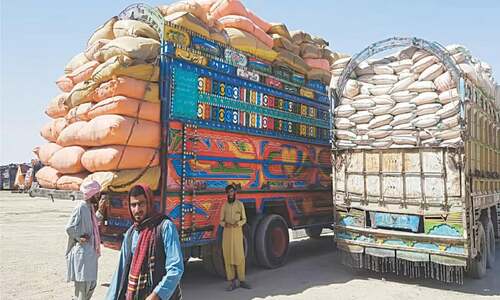
THE refusal by Punjab and Sindh to take imported wheat is less about concerns over grain quality and more about the unfinished transition from a state-dominated procurement system to a liberalised wheat market. Pakistan’s two largest wheat-consuming provinces prefer to draw on existing federal stocks than accept lower quality imported grain. The imports, in fact, are the outcome of the very policy transition that left a gap in domestic procurement. With the state-led system scaled back without a proper replacement mechanism to maintain strategic stocks and manage supply, the government has had to turn to imports to fill the shortfall in domestic output. The supply deficit has increased flour prices by 77pc in a year; and the proposed import aims to ease market sentiments. There is a case for reducing the government’s traditional role in the wheat market. Routine procurement, stockholding and price intervention distort market signals and burden public finances. A competitive private market should allocate wheat more efficiently. But withdrawing the state from procurement does not mean withdrawing it from responsibility. The policy failure was the absence of a credible mechanism to replace the functions once performed by government procurement.
When the state buys less at harvest, farmers need protection against price collapse, while consumers later need protection against shortages and excessive price increases. These functions cannot be left to traders with greater access to finance, storage, market information and political influence than farmers. Reduced provincial procurement weakened farmers’ bargaining power, while traders gained greater control over stocks and their release. Farmers suffered when prices weakened, even as consumers faced higher flour prices. This does not justify returning to the old procurement regime. But liberalisation cannot succeed without a credible replacement mechanism that ensures farmers receive a fair return and remain willing to produce enough wheat for a growing population.
Published in Dawn, August 18th, 2026