Glof, floods hit Chitral healthcare hard
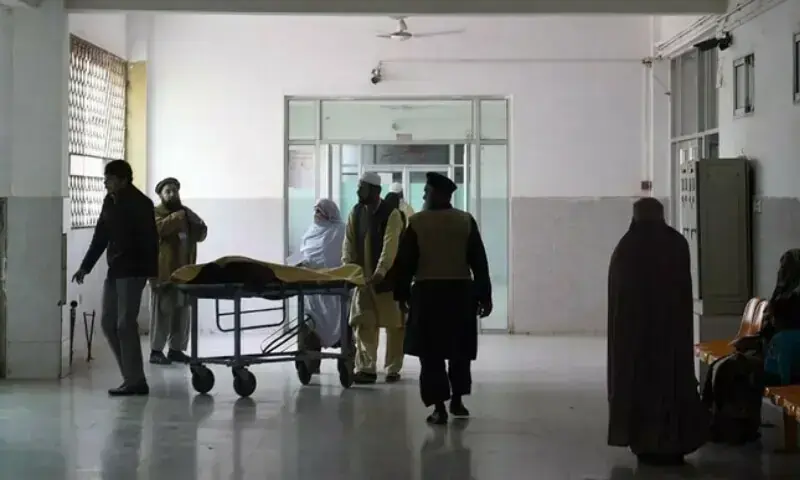
CHITRAL: The climate change-induced glacial lake outburst floods (Glof) and flash floods, triggered by cloudbursts in the Chitral valley, have crippled the region’s fragile healthcare system and compromised the medical well-being of residents.
The widespread destruction of infrastructure including collapse of vital bridges and closure of link roads leading to various sub-valleys, has brought the inflow of patients to major healthcare centers to a near standstill.
Dr Fayaz Rumi, medical superintendent of the district headquarters hospital in Lower Chitral, which also caters to patients from Upper Chitral, corroborated that attendance in the out-patient department has plummeted by almost 55 per cent over the last four days.
He noted that due to the inaccessibility of isolated villages from Chitral city, the arrival of patients from those distant pockets had dropped to zero.
The MS warned that water-borne diseases could soon assume epidemic proportions, alongside a parallel rise in typhoid, malaria and post-traumatic stress disorder.
He said that an abnormally high number of gastroenteritis and dysentery cases were registered in the OPD on Thursday.
Dr Rumi said that due to Chitral’s unique and challenging topography, patient vulnerabilities multiplied exponentially during large-scale disasters in many remote sub-valleys completely cut off due to washed-out infrastructure where vehicular traffic could take weeks to fully restore.
“During this critical window, the condition of stranded patients could worsen,” he said.
The MS said the mental health toll was equally alarming as confirmed by Dr Rumi who said that a rising number of PTSD cases had already been recorded in disaster-hit villages.
He recalled past patterns where affected populations, particularly women, suffered from severe and prolonged mental stress for many weeks following such catastrophes. The crisis has extended heavily into maternal and neonatal care as well.
An official from the DHQ hospital revealed that the number of child deliveries at the facility had dropped abysmally low.
He said the collapse of the transport network had prevented expectant mothers from reaching the hospital, raising fears of severe, unmanaged complications for both mothers and newborns in isolated villages.
The impact is mirrored in the private healthcare sector within Chitral city.
An attendant at a local physician’s clinic told Dawn that over the last five days, daily patient attendance had dwindled to just 10-13 people, whereas the physician normally examined more than 40 patients a day.
Residents and health experts urged emergency intervention to establish medical camps in cut-off areas before the health crisis escalates.
Published in Dawn, August 7th, 2026