KP plans 30pc literacy rate in two years: CM
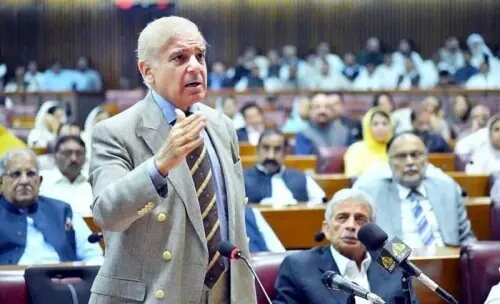
ISLAMABAD: Khyber Pakhtunkhwa Chief Minister Sohail Afridi on Tuesday reviewed the province’s proposed Digital Education Reforms meant to transform the education sector through technology-driven learning and ensuring equitable access to quality education for every child across the province.
He was chairing a meeting at the KP House in Islamabad on a roadmap to introduce a modern digital learning ecosystem, expand access to education and leverage technology to bridge longstanding gaps in the education sector.
The chief minister underscored his government’s commitment to universal access to quality education in the province and said the digital transformation of the education system would be launched.
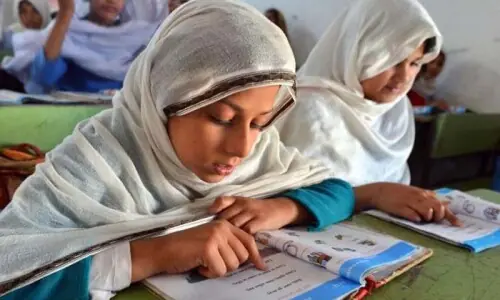
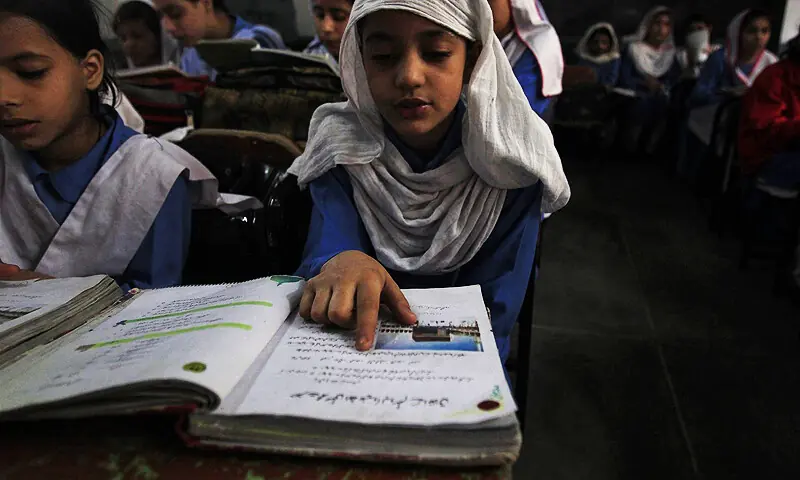
He said the initiative would enable out-of-school children to be integrated into the formal learning system while extending quality educational opportunities to children in remote, underserved and school-deficient areas through technology-enabled learning.
Mr Afridi said his government had planned to increase the literacy rate in the province by 30-35 per cent over the next two years.
He noted that a one-time investment of Rs5 billion in digital education reforms represented only a nominal allocation in comparison to the overall education budget but had the potential to deliver “transformative outcomes”.
“These reforms could prove significantly more effective than the conventional education model that has remained largely unchanged over the last 78 years,” he said.
The chief minister said that digital education reforms would make the education system more efficient, accessible and cost-effective, while helping reduce the geographical and social barriers that continue to limit the girls’ access to formal education.
He directed authorities to ensure implementation of all digital education initiatives in accordance with the approved targets and timelines, saying this will make modern, equitable and quality learning opportunities available to every child in the province, laying the foundation for sustainable and transformative improvements in the education sector.
Officials said that under the “Parho Khyber Pakhtunkhwa” initiative, curriculum in the province would be digitised, making all textbooks accessible to students through mobile phones.
They also said students would be able to access classes offline, enabling uninterrupted learning at any time and from any location.
The officials said the one-time investment of Rs5 billion in digital education reforms was projected to generate annual savings over Rs100 billion.
They added that the initiative would capitalise on the widespread availability of smartphones, with around 90 per cent of households in the province possessing access to smart devices.
The officials said online teaching had already begun in more than 50 schools, with 500 schools expected to be connected to the virtual learning platform by the end of the current month.
They said the virtual learning ecosystem would incorporate advanced virtual science laboratories as well as digital language laboratories offering language learning in Chinese, Korean, French, Arabic, Spanish and English.
Published in Dawn, August 5th, 2026