Consumer inflation slows to 9.2pc in July


ISLAMABAD: Pakistan’s inflation, measured by the Consumer Price Index (CPI), decelerated to 9.2 per cent in July from 11.07pc a month earlier, mainly due to a slight fall in energy prices, according to data released by the Pakistan Bureau of Statistics on Monday.
The modest slowdown for the second consecutive month suggests that cuts in petrol and diesel prices in early July had provided some relief to households. However, the government has begun raising prices over the past two weeks, which will again accelerate overall inflationary pressures.
In FY26, inflation was recorded at 7.05pc, compared with 4.49pc in FY25. This higher rate was despite a high base effect from the previous year. For FY27, the government has projected an inflation target of 8.2pc.
The slight slowdown in July inflation was largely driven by a fall in transport costs, which declined by 5.24pc from June. Transport charges in July increased by 15.08pc when compared with the same month last year. A slight decrease was noted in gas and fuel charges from the previous month.
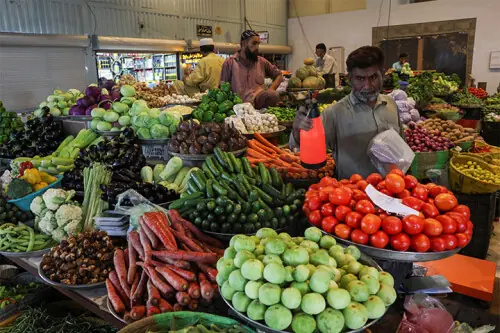
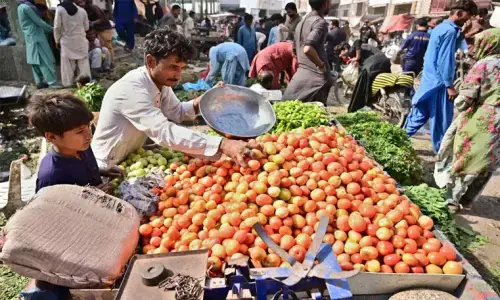
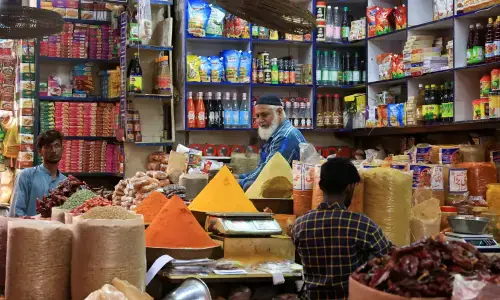
However, perishable food items recorded a sharp 17.69pc increase, highlighting volatility in essential commodities. The non-perishable items also recorded a growth of 2.31pc from the previous month, adding further pressure on household budgets.
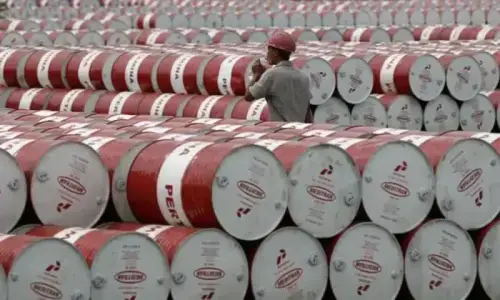
The SBP left its policy rate unchanged at 11.50pc in its latest review, in response to rising oil prices amid renewed war in the Middle East.
The data showed that urban inflation was slightly higher at 8.7pc in July compared with 9.9pc in rural areas on an annual basis. On a month-on-month basis, urban prices increased by 1.2pc, while a similar change was recorded in rural inflation. Food inflation in July increased by 9.6pc in urban areas and 10.2pc in rural areas. On a month-on-month basis, food inflation increased 3.7pc in urban areas and 3.4pc in rural areas. Non-food inflation reached 8.2pc in urban areas, and 9.7pc in rural regions.
In July, core inflation — excluding volatile food and energy components — stood at 8.6pc in urban areas and 8.1pc in rural areas.
Published in Dawn, August 4th, 2026