Iranian oil smuggling drops 60pc, claim sources
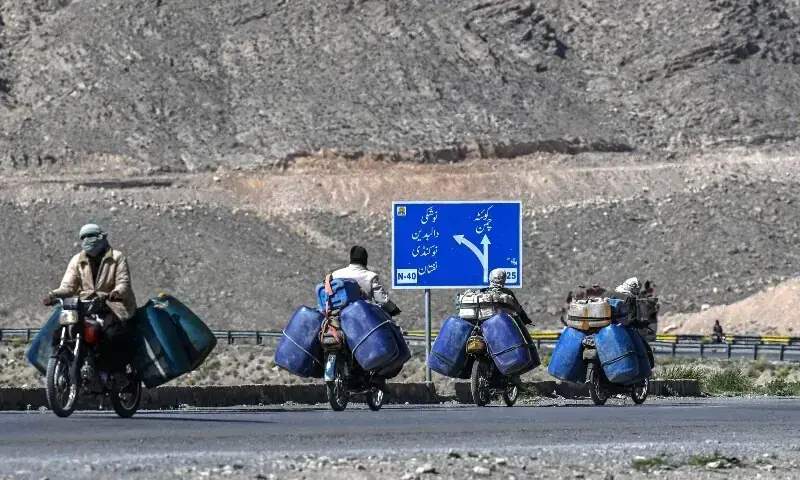


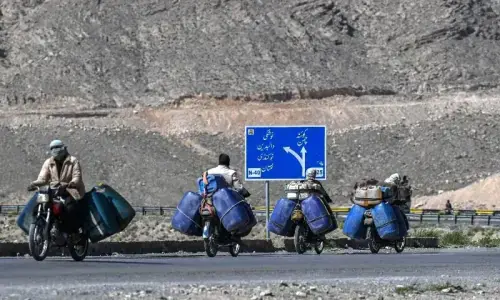
KARACHI: The influx of smuggled Iranian oil has drastically declined as tankers were hit inside Balochistan, causing heavy losses to those involved in this illegal business, according to sources in the oil sector.
The oil companies have been demanding that oil smuggling be stopped, but it has continued for years. However, the arrival of Iranian petroleum products increased after the US-Israeli war on Tehran began, pushing crude oil prices above $100 per barrel.
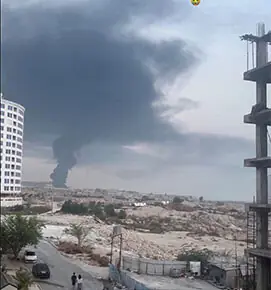
“Over the past month and a half, at least six oil tankers coming from Iran were destroyed by terrorists, but the actual number is not known,” said the source familiar with those in the oil business. However, it was not confirmed by other sources.
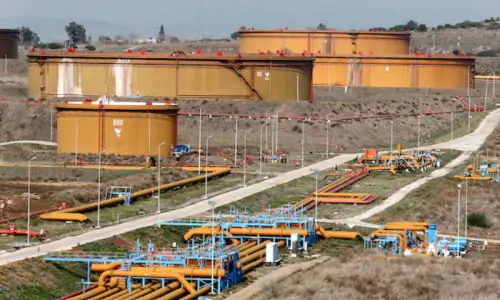
Since the US-Israeli attack on Iran on Feb 28, the entire world was shocked due to due to closure of the Strait of Hormuz, which is the world’s most critical energy transit chokepoint, carrying roughly 20pc of global oil, 20pc of liquefied natural gas (LNG), and about one-third of the world’s fertiliser trade.
Influx slows after terrorists destroyed six tankers in 45 days
Reserves of petroleum products began to decline in countries like Pakistan, which depend largely on imported fuel.
Pakistan faced the same situation, but the country did not experience rationing of oil and gas products. Reserves for 25 days were available, while more ships entered Pakistan during the war.
However, the influx of Iranian oil increased significantly. Smuggled petroleum products were available not only in Balochistan but also in Sindh, up to Karachi. Many say that Punjab also benefited from these smuggled oil products, which helped the country avoid rationing of oil products, as seen in India, Bangladesh and Sri Lanka in the region.
“It is difficult to determine the proportions of previous and current influxes, but smuggling has decreased significantly, by at least 60pc,” the source claimed.
In FY26, Pakistan spent a record $16.86bn on the import of petroleum products, which was around 22pc of the country’s total import bill. Notably, despite higher prices, the share of petroleum products in the import bill remained within the average. Each year, Pakistan has to spend 22-25pc of its total imports on oil products.
According to the Pakistan Bureau of Statistics, the import bill for petroleum products in FY25 was $15.94bn.
Pakistan’s illegal trade with Iran is worth more than $2 billion per year, and a number of products, such as edible oil, food products, washing powder, soaps, etc., are readily available in Karachi.
It is widely believed in the circles of trade and industry that the smuggling of oil products from Iran was deliberately ignored by the authorities due to the war and to avoid a crisis from a possible shortage of oil supplies across the country.
The government has consistently been passing on the increase in oil prices to consumers, but has successfully avoided a shortage-like situation.
Published in Dawn, August 2nd, 2026