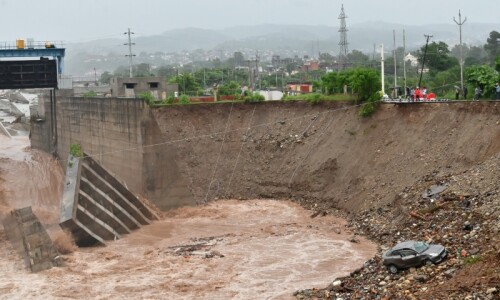
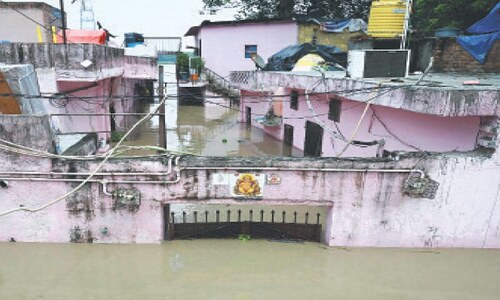
India braces for below-average August monsoon
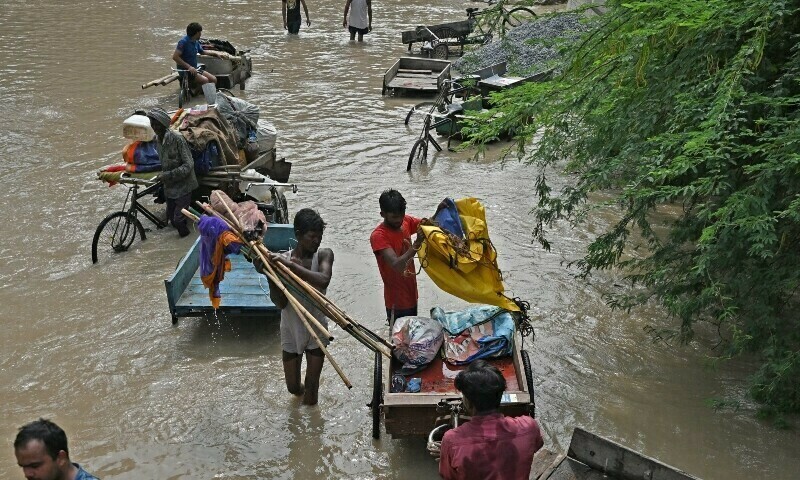
MUMBAI: India is likely to receive below-average monsoon rainfall in August after recording average rainfall in July, the weather department said on Friday, raising concerns about crop yields and economic growth in Asia’s third-largest economy.
The monsoon delivers about 70 per cent of annual rains to replenish crucial water sources in the nearly $4-trillion economy, where almost half of farmland lacks irrigation and about half the population earns its livelihood from farming.
Rainfall in August is likely to be below 94pc of the long-period average, Mrutyunjay Mohapatra, director-general of the India Meteorological Department, told a press conference.
Cumulative rainfall in August and September, the second half of the four-month monsoon season, is forecast to be below 94pc of the long-period average, Mohapatra said.
Weather department warns weak rains may hit crop yields
Moderate El Nino conditions are prevailing and are expected to strengthen gradually, with the weather pattern likely to become strong by September, he said.
El Nino is a climate pattern marked by unusually warm sea surface temperatures in the central and eastern equatorial Pacific, which disrupts global weather patterns and can bring drier conditions to parts of Southeast Asia and other regions.
In the past, India has experienced below-average rainfall during most El Nino years, sometimes leading to severe droughts that destroyed crops and forced authorities to limit the export of some grains.
India received 1pc more rainfall than the long-period average in July, helping narrow the monsoon rainfall deficit since the season began on June 1 to 12.6pc from 35.4pc at the end of June.
“The rains picked up in July, which helped farmers catch up on planting after delays in many areas,” said a Mumbai-based dealer with a global trade house.
“But if rainfall is below normal in August, it could affect the growth of the crops that have just been planted.” Summer crop sowing was nearly a quarter lower than a year earlier at the end of June, but the shortfall has since narrowed to less than 5pc, according to data compiled by the Ministry of Agriculture and Farmers’ Welfare.
Published in Dawn, August 1st, 2026