
The quick returns and ample bounties of growing the round bottle gourd vine makes it a perfect seasonal vegetable to grow at home, especially for kitchen gardeners.
It takes between two to three months after sowing the seeds for the plant to harvest. During this time, a plethora of activities keep the grower engaged: from pre-treatment of seeds to using clinging tendrils to aid the vine’s vertical growth, night blooms, hand pollination and ensuring optimal harvest. But each phase of the round bottle gourd, locally known as lauki, presents challenges alongside the usual gardening care — the plant is susceptible to diseases and pest attacks.
The plant’s germinating seeds are a nutritious target for birds. Use sunlight-deflecting CDs and scarecrows to ward off birds. A better alternative is to place a bowl of water and bird feed nearby.
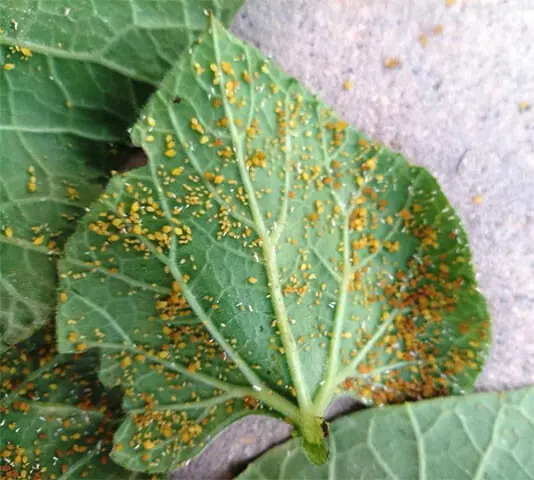
Once true leaves grow in size and number, space can become a significant issue for the vine. Poor aeration between the leaves can allow pests to thrive. In such situations, diseases spread rapidly. Some common pests that may attack the vine include aphids, leaf miners, mealy bugs, pumpkin beetles, spider mites and fruit flies.
The round bottle gourd grows fast and rewards generously, making it a favourite of home gardeners. But from germination to ripening, the vine faces a running list of pests and infections
Unless nipped in the proverbial bud, these pests can be a precursor to viral diseases. For instance, aphids can cause the mosaic virus, which destroys the fruits; white flies can cause the leaf curl virus, which is harmful to the vine’s growth.
Minute in size, aphids are usually found on shoots and undersides of leaves. A leaf miner, one of the most common pests, burrows into the leaves. As it starts to move around, it leaves behind a white twisting trail on the surface of the leaves of the round bottle gourd vine. The white trail is easily visible against the green background of the leaf. Red or brown beetles are also a threat, as they chew off different parts of the round bottle gourd vine.
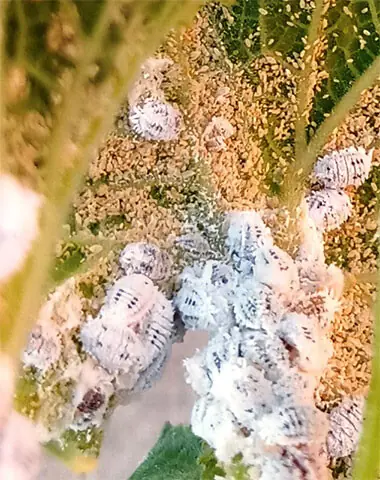
If a pest attack is suspected, spray the vine with an organic pesticide solution — such as one prepared with neem oil — every two to three weeks. If the pest attack is in the advanced stage, it is best to prune off the infected leaves. After that, drench the vine, especially the underside of the leaves, in the organic neem oil solution. Repeat this on alternate days until the pests are completely removed. You may also use a chemical pesticide, but with a gap of one day in between and no more than three times a week.
During the flowering phase, insects act as natural pollinators and help in the fertilisation and development of the fruit. At the same time, they also pose a threat. For instance, female fruit flies tend to bore a hole inside the round bottle gourd fruit. Once there, these fruit flies lay eggs. As the larvae from these eggs grow, they eat the fruit from the inside. As a result, the fruit becomes misshapen, doesn’t ripen properly, turns yellow and finally rots.
Fungal infections, which can quickly destroy the round bottle gourd vine, are typically caused by excess watering, poor drainage and overcrowded leaves. Addressing these issues will decrease the likelihood of fungal infections. Hence, it is important to identify the signs and symptoms of some common fungal infections.
Anthracnose leaves behind dark-coloured lesions on the leaves and the stem. Downy mildew results in yellow spots on the leaf surface. Powdery mildew leaves behind white powdery spots on the leaves and the stem. Alongside applying a commercially available fungicide, ensure the leaves are not directly watered. Watering should be done only near the stem. Aeration is equally important. After pruning the infected leaves, do not use them for compost — destroy them completely.
Please send your queries and emails to doctree101@hotmail.com. The writer is a physician and a host for the YouTube channel ‘DocTree Gardening’ promoting organic kitchen gardening
Published in Dawn, EOS, August 2nd, 2026