‘Pakistan’s population can reach 400 million by 2040’



ISLAMABAD: Minister of State for Health Dr Mukhtar Ahmad Bharath on Wednesday warned that Pakistan’s population could reach 400 million by 2040, stressing that public awareness and individual responsibility were essential to address the country’s rapid population growth.
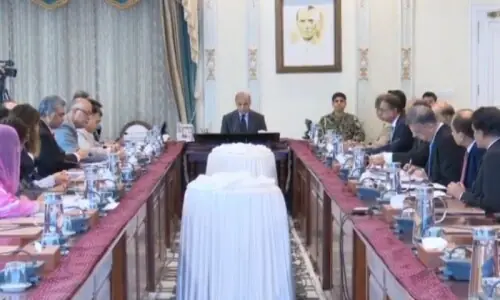
Speaking at a ceremony at the Basic Health Unit (BHU) in Tarlai, Dr Bharath said effective measures for maternal and child healthcare and family planning had become an urgent national priority. He added that Prime Minister Shehbaz Sharif had constituted a national council to curb population growth and strengthen policy interventions in the sector.
The minister said parents should carefully consider whether they had the necessary resources to provide their children with adequate nutrition, quality education, timely immunisation, access to healthcare and proper upbringing before planning their families. He emphasised that a healthy and prosperous society could only be built when every child enjoyed their fundamental rights.
Highlighting the importance of reproductive health services, Dr Bharath noted that the use of modern contraceptive methods in Pakistan remained comparatively low compared with several other countries, including Saudi Arabia, Iran and Turkiye.
He observed that the limited use of safe and effective family planning methods contributed to unintended pregnancies, which in turn increased the incidence of unsafe abortions, posing serious risks to women’s health and placing additional pressure on the country’s healthcare system.
“A healthy mother is the foundation of a healthy family and a strong nation. Poor maternal health adversely affects children’s growth, education, development and the overall well-being of families. Just as fathers bear the responsibility of providing for their families financially, safeguarding maternal health is equally essential for family welfare and national progress,” he said.
In his concluding remarks, Dr Bharath urged all Pakistanis to adopt family planning responsibly and with greater awareness, keeping in view the brighter future of coming generations.
Meanwhile, a spokesperson for the health ministry said the government of China, in collaboration with the UN Population Fund, had provided the government of Pakistan with reproductive health and family planning medicines, medical supplies and equipment worth $2 million.
Published in Dawn, July 30th, 2026