Political, religious parties must openly discourage hate speech: CII chief
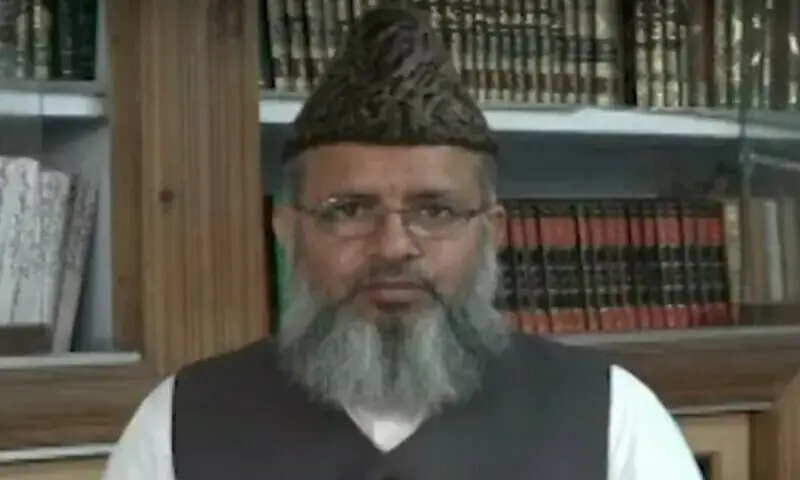
ISLAMABAD: Council of Islamic Ideology (CII) Chairman Allama Raghib Hussain Naeemi on Wednesday urged political and religious parties to take the lead in ending polarisation by discouraging hate speech and promoting tolerance and inclusivity.
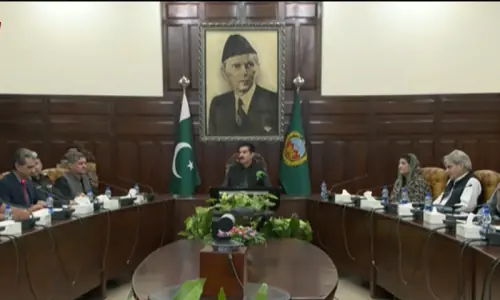
Speaking at a ‘Policy Dialogue on Youth and Hate Speech’ organised by the Islamabad-based Pak Institute for Peace Studies (PIPS), he said parties with large followings had “absolved themselves of this responsibility” and must now openly promote tolerance among their supporters.
“There is a need to change the thinking of our teachers through better training, to make them accommodative of opposite views,” he said.
The discussion brought together members of academia, civil society, media and government representatives.
Speakers at PIPS dialogue call for tolerance, teacher training and revival of student unions
Discussions focused on faith-based persecution and hate speech targeting religious minorities, with emphasis on root causes and remedial measures including political, legal, constitutional and educational reforms.
‘Training teachers’
Dr Salma Malik, Associate Professor at Quaid-i-Azam University, said teachers must be trained to be free of biases related to colour, ethnicity and religion.
“There should be no coding of colour, ethnicity or religion from a teacher,” she said, adding that every identity must be acknowledged and respected as diversity was key to an inclusive society.
Dr Ishtiaq Ahmad, former member of the Planning Commission, said while states had their own perspectives on civil liberties and people demanded more freedoms, the issue could not be resolved by excluding the state.
He called on the government to revive student unions in educational institutions, arguing that “all challenges to the state would fizzle out with this decision”.
‘Fault lines’
Lawyer and political activist Dileep Doshi warned that although fault lines in the state narrative appeared to have subsided, they still existed and could be exploited in the future.
Dr Nadeem Abbas, member of the Ministry of Religious Affairs and Interfaith Harmony’s Apex Committee on Social Media, said the committee had received few complaints in the last couple of years about blasphemous content targeting members of the Christian and Ahmadi communities. He added that most complaints received were against Muslims.
Published in Dawn, July 30th, 2026