ISLAMABAD: While ventilators are considered the last resort to keep a patient alive and give doctors an opportunity to continue efforts to get them recovered, for the last over two decades unavailability of ventilators has been a major hindrance in hospitals.
Former minister for science and technology Fawad Chaudhry said that after he left the office efforts were not made to manufacture high-end ventilators.
While majority of ventilators cost from Rs3 to Rs5 million, Pakistan Institute of Medical Sciences (Pims) Executive Director Dr Rana Imran Sikander believes that there are so many other factors and problems in purchasing ventilators.
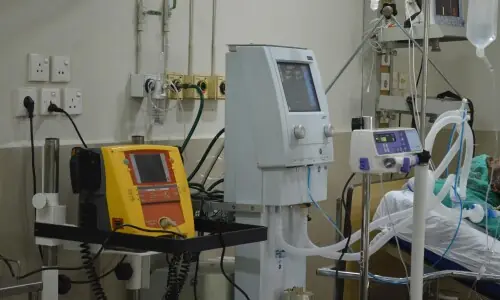
A ventilator is a machine which helps a patient breathe by pumping air in and sucking it out of their lungs. Moreover, it also monitors most of the body functions and keeps the patient alive.
Along with high cost, other factors such as shortage of trained staff impede equipping hospitals with equipment, says doctor
It is mostly used in intensive care units (ICUs).
In a recent incident, a journalist, Abid Raza Kazmi, died at Pims just because a ventilator was not available.
Asim Raza Kazmi, relative of the deceased, while talking to Dawn said that after suffering a stroke the patient was initially admitted to the emergency and then shifted to medical and finally surgical ward.
“On the last day, doctors suggested shifting Abid Sahab on ventilator but it was not available/vacant. We used all possible recourses due to which a doctor took us to the ICU. There were 12 ventilators but not a single was vacant. We started arrangements to shift the patient to a private hospital but he could not survive,” he said.
Abid Kazmi was not the only patient who died due to unavailability of a ventilator. Such incidents frequently take place in government hospitals due to unavailability of high-end ICU equipment.
Former minister Fawad Chaudhry, while talking to Dawn, said that in Pakistan the quality of engineers was not up to the mark due to which they were not capable of making high end ventilators.
“While I was minister during the time of Covid-19, I made efforts to manufacture ventilators in Pakistan and some simple ventilators were manufactured which could cater up to 60pc of patients. However, then I left the ministry and after that no one took interest in that issue,” he said.
Mr Chaudhry suggested that Chinese companies should be involved for the manufacturing of ventilators under joint venture.
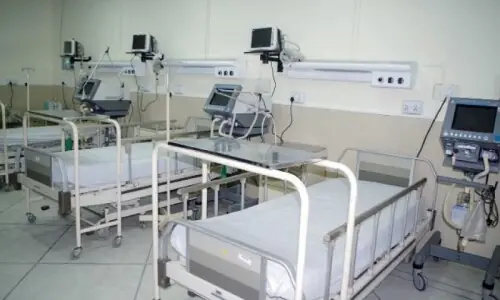
Pims Executive Director Prof Dr Rana Imran Sikander told Dawn that the hospital had over 90 ventilators in different ICUs, including medical, surgical, pediatric, neonatal, cardiac, but almost 100pc of them remain occupied.
“Moreover, in some ICUs including neurology and pulmonology once patient is placed on a ventilator, he/she remains there for around 20 days. We have 1400 beds in the hospital so a number of patients require ventilators. On the other hand, patients are referred from across the country and we have no refusal policy so we even keep a patient on a stretcher but don’t send them to other hospital,” he said.
Prof Sikander said although ventilators were costly but it was not only ventilator which put financial burden on the hospitals which already have a limited budget.
“In public sector hospitals, free treatment is provided to emergency patients and patients in ICUs are considered emergency patients. Expense of each ventilator in Pims is around Rs200,000 per day but the hospital does not charge patients for it. Moreover, there is severe issue of human resources as specialised and trained staff is required to run ventilators,” he explained.
He said when Pims was established, the population of Islamabad was 500,000 which has now increased to five million.
“Although on the intervention of Prime Minister Shehbaz Sharif and efforts of health minister Mustafa Kamal, a new block is being established in Pims and it will have 40 ventilators, but people need to change their lifestyle to decrease burden on hospitals. They should go to parks and start physical activities because that is how they would remain healthy,” he suggested.
When contacted, spokesperson for Polyclinic Dr Abdul Jabbar Bhutto said that there were 35 ventilators in different departments of the hospital.
“I have been working in ICUs for the last seven years. We have limited number of ventilators and all of them remain occupied. We also face severe shortage of human resource so we cannot address the issue even if we get more ventilators as staff will be required to run them,” he said.
Replying to a question, Dr Bhutto said well-off people get their patients treated in private hospitals but when private hospitals tell them that the patient has to be shifted on a ventilator, they run to the public sector hospitals as some time private hospitals charge Rs300,000 per day from them,” he said.
“People contact public sector hospitals claiming that they cannot afford treatment at private hospital and request to shift their patient on ventilator in public sector hospital. Due to this, a priority list is prepared but unfortunately that list never ends,” he said.
It is worth mentioning that in 2020, while public sector hospitals in the federal capital were facing a severe shortage of beds, especially ventilators for Covid-19 patients, Pakistan Association of Private Medical and Dental Institutions (Pami) had offered 1,000 beds, 240 isolation rooms and 80 ventilators to the government. Similarly, some companies had also offered vents and beds but such offers are not made during usual days.
Published in Dawn, July 29th, 2026