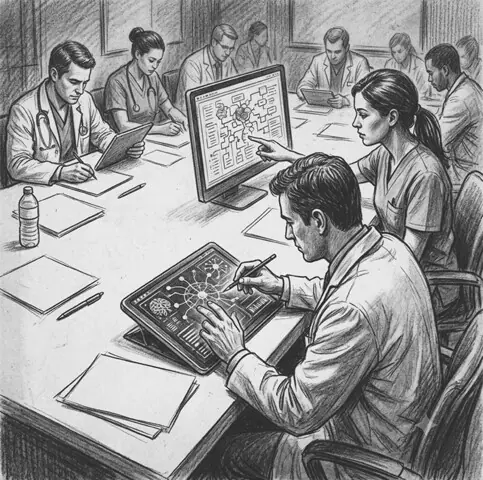
ARTIFICIAL intelligence (AI) is rapidly transforming almost every aspect of modern life. While its benefits in education, healthcare and research are undeniable, its misuse does raise serious concerns, particularly in professional education.
Recently, I observed a troubling situation during a Certificate in Health Professions Education (CHPE) examination. The assessment was conducted online through a digital platform that required the participants to use their own laptops or mobile devices.
During the process, I saw a number of candidates switching between the exami-nation interface and AI-powered tools to seek answers. Such practices undermine the purpose of assessment and compromise the integrity of educational qualifications.
More concerning is the fact that many of the participants were experienced faculty members responsible for training future healthcare professionals. If educators themselves rely on unauthorised AI assistance during examinations, it raises questions about the credibility of certification processes and the standards that are being upheld in medical education.
The issue extends beyond individual misconduct. Institutions conducting online assessments must ensure adequate examination security, proper invigilation, and the use of controlled environments, such as institutional computer laboratories, whenever feasible. As AI becomes increasingly accessible, educational institutions must develop robust policies and safeguards to prevent its misuse while promoting its ethical and responsible use.
AI should serve as a tool for learning and innovation, not as a shortcut that compro-mises academic integrity. Protecting the credibility of medical education today is essential for safeguarding the quality of our healthcare sector tomorrow.
Muhammad Haris Durrani
Peshawar
Published in Dawn, July 28th, 2026