NEW DELHI: Crowds of supporters of India’s online “cockroach” movement grew on Wednesday at a New Delhi protest site, while their demands for accountability and reform following examination scandals echoed in rallies across the country.
The protests, led by the social media-driven Cockroach Janta Party (CJP) movement, have emerged as one of the biggest challenges to Prime Minister Narendra Modi’s government since his re-election in 2024.
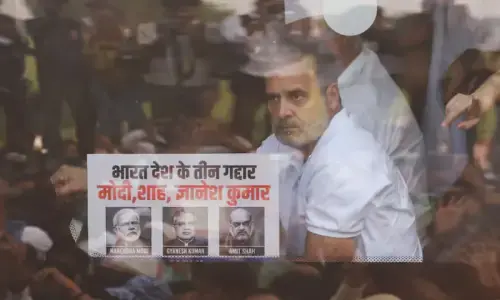
The campaign also got a boost inside parliament from opposition lawmakers, including Rahul Gandhi of the Congress party who demanded the government apologise for a police crackdown on a major rally on Monday.
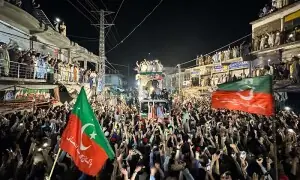
Protesters demanding the resignation of Education Minister Dharmendra Pradhan have refused to leave the Jantar Mantar site in the heart of the Indian capital, with crowds swelling to several thousand people on Wednesday.
Movement spreads to other Indian cities, including Mumbai and Bengaluru
“The government is ruining our future,” said Pooja Kushi, a 19-year-old student who came from Haryana with her brother and two friends.
The movement has spread beyond the capital, with smaller demonstrations springing up across the country, including in major cities like Mumbai and Bengaluru.
In Patna, police used tear gas and water cannons at a rally demanding Pradhan’s resignation.
The protesters, most of them young students, got a major boost on Tuesday after opposition parties threw their weight behind the movement, staging a sit-in outside the prime minister’s residence.
Rahul Gandhi, 56, who was briefly detained the previous day, appeared in parliament on Wednesday dressed in black, demanding accountability from the government.
He later told reporters students had his full support “and we are going to ensure that you are protected and your future is protected”.
‘Keep going’
The CJP movement, which has millions of followers on social media, emerged in May initially as a satirical response to Chief Justice Surya Kant reportedly likening young people to “cockroaches” and “parasites” during a court hearing.
The movement has broadened its agenda to include concerns over unemployment, opportunities for young people and “Modi’s increasingly authoritarian style of governance”.
On Monday, police fired tear gas and baton-charged tens of thousands of demonstrators as they tried to march to parliament on the opening day of the monsoon session, in New Delhi’s largest street rally in five years.
As tensions escalated, protesters responded by hurling stones.
Rights groups have accused police of using excessive force, with Amnesty International questioning the “legality, necessity, and proportionality” of their actions.
Pradhan, the education minister facing growing pressure particularly over the medical school examination, said the government remained committed to reform and discussing the issue in parliament.
Published in Dawn, July 23rd, 2026