KP govt launches Rs300 million initiative to protect rare yak species


 0
0

PESHAWAR: The livestock and fisheries department will utilise Rs300 million in the next three years on the conservation of yak in Upper Chitral as its population has been on decline for the last couple of years, making the species one of the rarest forms of livestock in the province.
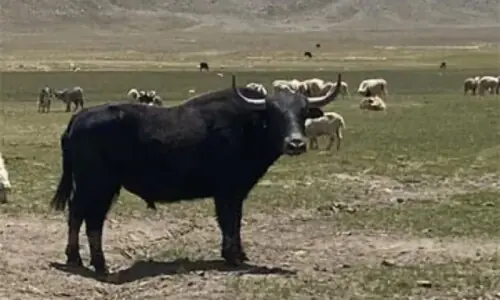
The yak is one of the world’s most remarkable high-altitude livestock species, uniquely adapted to survive in the harsh mountainous environments of the Hindukush, Himalayas and Tibetan Plateau, officials of the livestock department told Dawn.
In Pakistan, the species is confined almost entirely to the remote valleys of Upper Chitral, where it has been an integral part of the livelihoods, culture and traditions of mountain communities for centuries.
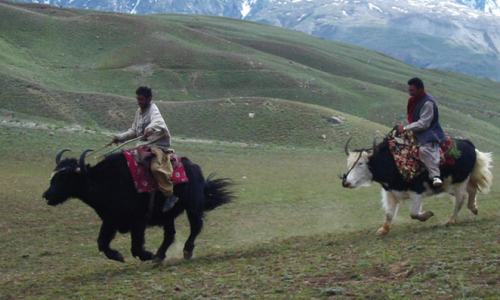
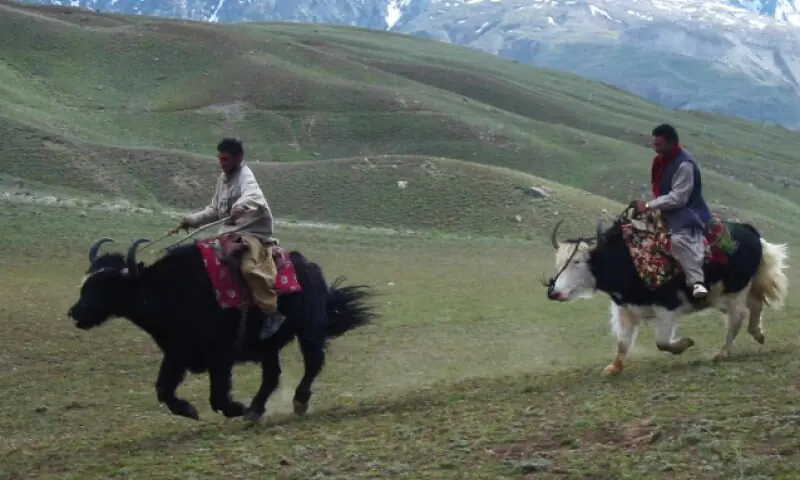
For generations, yaks have provided milk, meat, butter, cheese, wool and transportation to families living at elevations above 3,000 meters, where conventional livestock struggle to survive, they said. More than an economic asset, the yak represents the resilience, heritage and identity of the indigenous communities of Upper Chitral.
However, this invaluable genetic resource is now facing an alarming decline. According to the 7th Agricultural Census 2024, Pakistan is home to only 1,923 yaks, making it one of the country’s rarest livestock species, they said.
Climate change, degradation of alpine pastures, indiscriminate crossbreeding, lack of organised breeding programmes, limited veterinary services and the absence of scientific conservation efforts have placed the species at risk of extinction.
The officials said that recognising this neglected yet strategically important sector, the livestock, fisheries & cooperatives department has proposed Pakistan’s first comprehensive Yak Conservation and Productivity Enhancement Project with an estimated cost of Rs 300 million under the Annual Development Programme 2026–2029.
The project will establish a dedicated Yak Research and Conservation Centre in Upper Chitral, supported by a Nucleus Herd of 50 purebred yaks (40 females and 10 males) to preserve valuable indigenous genetics and improve breeding.
The officials said that the modern animal housing, laboratories, farmer facilitation facilities and research infrastructure will be developed to support scientific breeding, animal health, nutrition and productivity enhancement.
The initiative also focuses on building the capacity of local livestock keepers through training in improved yak husbandry, breeding and herd management.
It aims to promote value addition of yak milk, cheese, butter, meat, wool and traditional handicrafts while encouraging ecotourism and cultural tourism through Yak Festivals and awareness programmes.
This innovative initiative forms one of the flagship interventions under the “Green Tourism” Pillar of the Livestock Roadmap 2031, recognising that livestock conservation can simultaneously promote biodiversity, sustainable tourism, rural livelihoods and climate resilience.
The project is expected to conserve Pakistan’s endangered yak population, establish sustainable yak farming clusters, increase milk and meat production, create employment opportunities, strengthen mountain economies, improve food security and generate scientific data for future breeding and conservation policies.
Published in Dawn, July 6th, 2026