Punjab misses cotton cultivation target by 18pc


 0
0
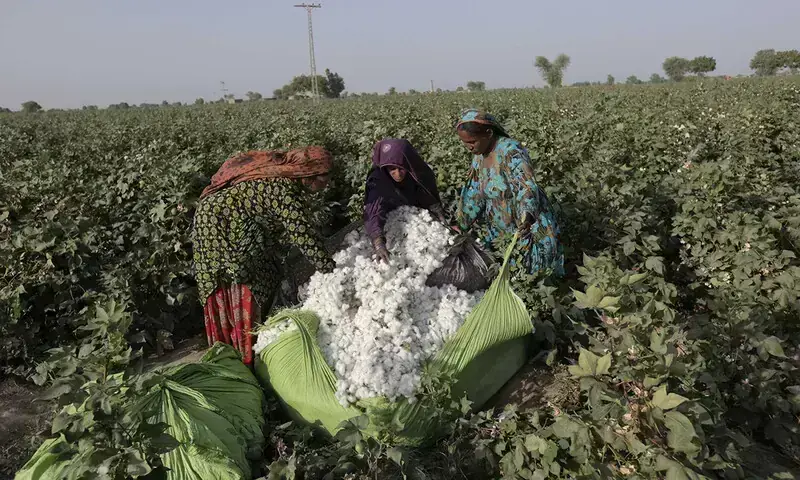

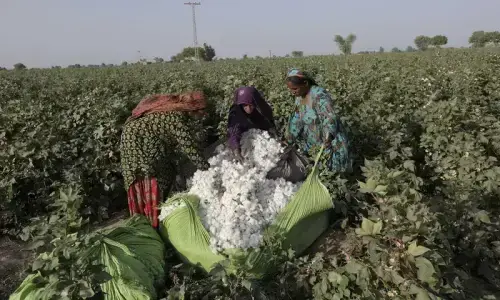
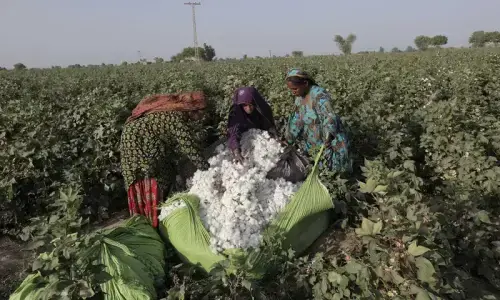
LAHORE: Punjab has recorded a sharp decline in cotton cultivation during the current cotton year 2026-27, missing the provincial target by 18 per cent and raising fears of higher cotton and edible oil imports in the coming months.
The Punjab government had set a target of cultivating cotton on 3.2 million acres for the 2026-27 season.
However, final figures released by the Crop Reporting Services of the Punjab Agriculture Department show that cotton was cultivated on only 2.614m acres, falling short of the target by 586,000 acres. The cultivated area is also 512,000 acres lower than last year, marking a significant year-on-year decline.
The data shows that in northern Punjab’s four divisions – Sargodha, Lahore, Faisalabad and Sahiwal – cotton was planted on 205,000 acres against a target of 305,000 acres. In southern Punjab’s divisions of Bahawalpur, Multan and Dera Ghazi Khan, cultivation reached 2.409m acres against a target of 2.895m acres.
Chairman Cotton Ginners Forum Ihsanul Haq attributes the decline to adverse weather conditions and the establishment of new sugar mills in and around Rahim Yar Khan and the Punjab-Sindh border region, which encouraged farmers to shift away from cotton cultivation.
Ginners attribute decline to inclement weather, new sugar mills
The reduced acreage has heightened concerns that Pakistan may need to import larger-than-expected quantities of cotton this year. Lower cotton production is also expected to reduce cottonseed output, potentially forcing the country to spend billions of dollars on additional edible oil imports.
The cotton sector is also facing pressure from the federal budget, which did not provide significant relief to the cotton ginning industry. As a result, cotton and phutti prices have remained under pressure across the country.
Following the budget announcement, the Karachi Cotton Association’s spot rate declined by Rs2,500 per maund, while open market cotton prices fell by Rs2,500 to Rs3,000 per maund, dropping to around Rs19,250 per maund in Punjab and Rs18,250 per maund in Sindh.
However, recent rainfall in major cotton-growing areas has disrupted phutti arrivals, leading market observers to expect some recovery in cotton and phutti prices during the current week.
Meanwhile, the Pakistan Cotton Ginners Association (PCGA) has intensified efforts to secure relief for the sector.
A high-level PCGA delegation recently met Federal Finance Minister Muhammad Aurangzeb, senior parliamentarian Sardar Naveed Qamar and top officials of the Federal Board of Revenue (FBR). According to Mr Haq, the delegation was assured that the proposed 18pc sales tax on cottonseed and oilcake could be withdrawn during the final approval of the federal budget.
The Senate of Pakistan has already recommended the removal of the tax, and industry stakeholders are optimistic that amendments to the budget will provide the required relief.
Market analysts believe that abolishing the sales tax could trigger a strong upward trend in the prices of cotton, phutti, cottonseed and oilcake.
Mr Haq also highlighted concerns raised by All Pakistan Textile Mills Association (Aptma) Chairman Kamran Arshad regarding the broader textile sector. According to figures cited by Arshad, the number of Aptma member textile mills has declined from 402 in 2008 to just 182 today, with some of the remaining units reportedly inactive.
He attributed the contraction to heavy taxation, high electricity tariffs, some of the world’s highest borrowing costs and delays in the payment of billions of rupees in refunds.
Industry leaders warned that unless meaningful support is extended to the country’s largest export-oriented sector, the economy could face further challenges amid weakening textile and cotton production.
Published in Dawn, June 22nd, 2026