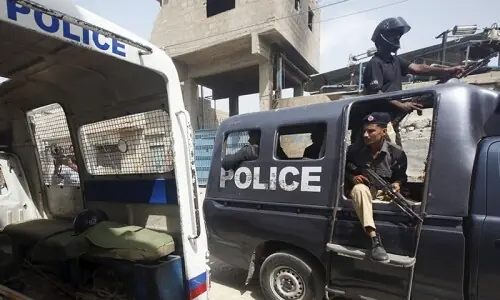
Women detained in Afghanistan's Herat in clothing crackdown


 0
0

Afghan residents in the western city of Herat have told AFP of witnessing multiple women detained by the Taliban government’s morality police, in a crackdown over clothing which has drawn criticism from the United Nations.
The UN mission in Afghanistan (UNAMA) said on Sunday it was “concerned over multiple arrests and detentions of women in Herat Afghanistan for alleged non-compliance with dress requirements”.
Taliban authorities have gradually tightened restrictions on women since returning to power in August 2021.
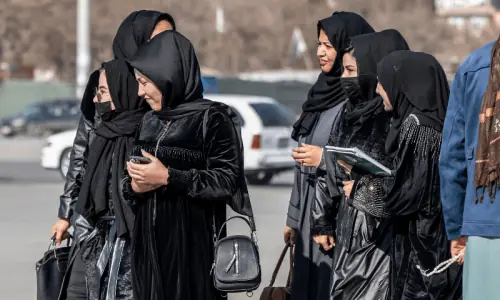
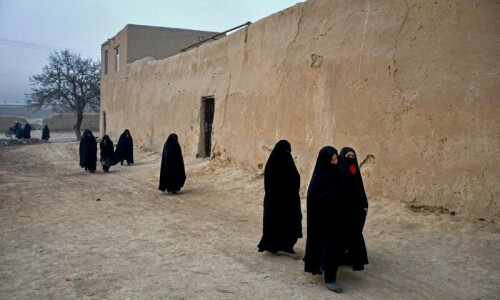
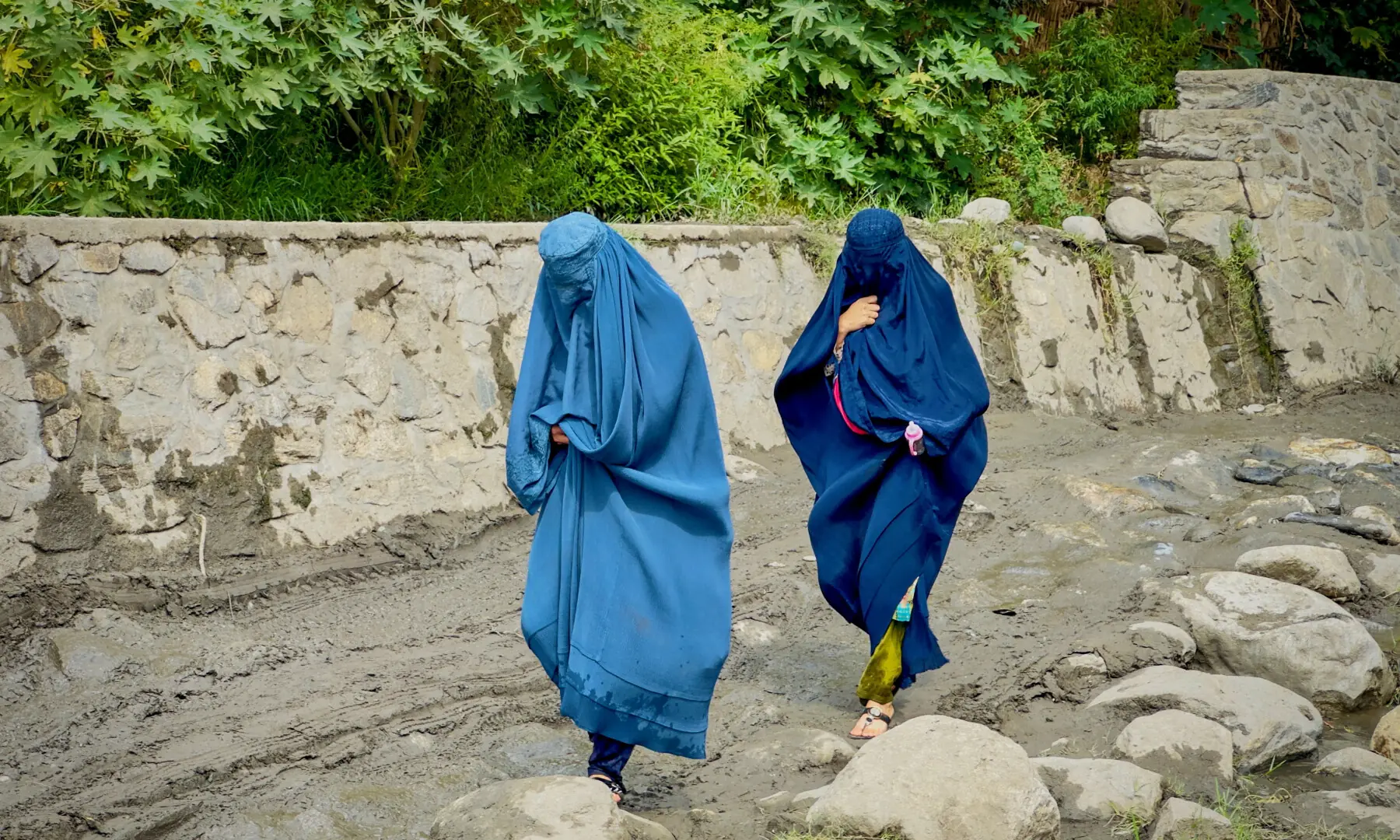
Women nationwide must be completely covered when they leave home, with many wearing a flowing abaya robe along with a headscarf and a face covering.
In Herat, residents witnessed women being detained on Saturday for not wearing the body-cloaking chador or burqa. They spoke to AFP on condition of anonymity for security reasons.
“I saw two employees of the ministry, one of whom was carrying a whip, putting two women who were not wearing chadors into a vehicle,” said a 23-year-old woman, referring to officials from the Ministry for the Propagation of Virtue and the Prevention of Vice (PVPV).
She said those detained were fully covered, including wearing Muslim headscarves.
“Everyone is frightened,” she told AFP.
Another woman said she saw PVPV officials stopping vehicles and checking passengers’ clothing, and saw multiple women being detained and put into vans.
“The majority of those arrested were women who were not wearing chadors,” the 27-year-old said.
The PVPV ministry did not comment on women being detained when contacted by AFP.
“There is nothing unusual in Herat,” the ministry’s information department said.
The dress code “is a divine command and an enforced law, and we are obligated to implement it”, the ministry asserted.
Since the crackdown was launched, an AFP journalist and multiple residents in Herat said the number of women leaving home had dropped sharply.
A 20-year-old taxi driver said “they’re not seen in the city at all”.
“We’ve been told not to transport women without a chador,” he said.
One woman described the situation as “unbearable”.
“I am genuinely saddened that we don’t even have the right to breathe freely,” the 33-year-old said.
“Life has become very difficult for us.”