Democrats seek Senate Republican support to limit Trump’s war powers


 0
0
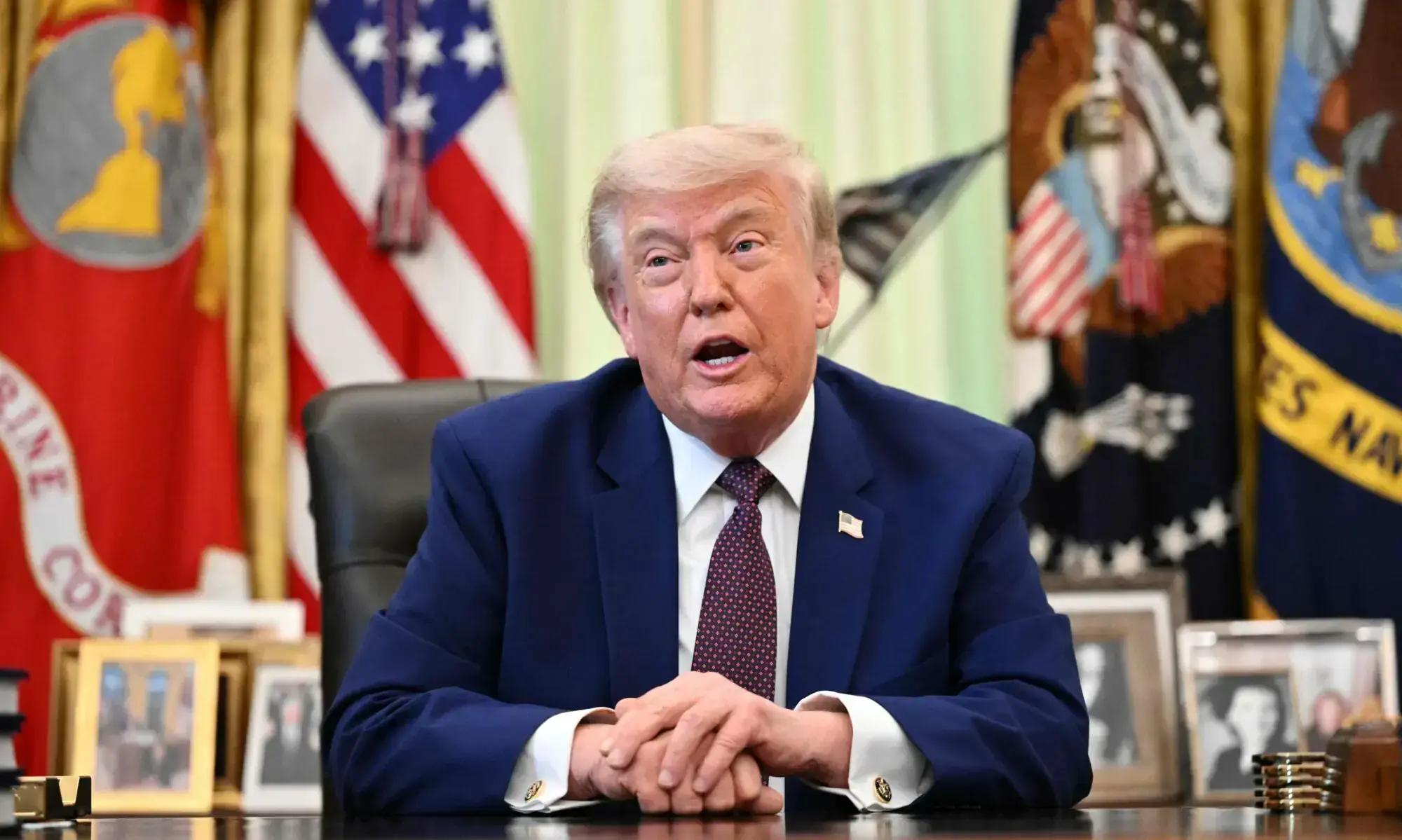

WASHINGTON: Three senior Democratic leaders urged their colleagues in the US Senate on Thursday to support the move to prevent President Donald Trump from continuing the war against Iran without congressional approval.
Democratic Whip Katherine Clark, Minority Leader Hakeem Jeffries, and Caucus Chair Pete Aguilar said in a joint statement that the House of Representatives on Wednesday “successfully passed a War Powers Resolution” and that it is “now time for Senate Republicans to do the right thing.”
They reminded Republican lawmakers that the Iran war has now lasted more than 90 days.
The 90-day period is significant because a US law designed to limit a president’s ability to wage war requires the “president to seek authorisation from Congress if military operations continue beyond that timeframe”.
The statement comes as the legislation moves into the Senate, where lawmakers are expected to decide whether to take up and pass a companion measure or adopt the House-passed version directly.
The resolution is part of a broader congressional effort under the War Powers Resolution framework, which allows Congress to challenge or limit sustained military operations initiated without explicit authorisation.
What happens next in the Senate
The immediate next step is a Senate floor process. The chamber will likely debate and vote on a version of the resolution, following earlier procedural votes that allowed similar measures to advance.
Several senators from both parties have previously supported moving the legislation forward, increasing the likelihood of formal consideration.
However, significant uncertainty remains over final passage. Republican leadership has generally opposed restricting the president’s wartime authority, arguing that such measures could interfere with ongoing military and diplomatic operations.
At the same time, Democrats are unified in pushing for congressional oversight of any continued military engagement with Iran.
Expected outcome after Congress
Even if the Senate approves the resolution, it is expected to face a presidential veto from President Donald Trump. The administration has argued that congressional restrictions would undermine national security decision-making and limit executive flexibility during an active conflict.
Overriding a veto would require a two-thirds majority in both the House and Senate, a threshold that current political alignments make highly unlikely.
Although the measure faces steep procedural and political hurdles, its advancement reflects renewed tensions between Congress and the White House over war-making authority.
Regardless of its final fate, the debate underscores ongoing disputes about the limits of presidential power in authorising and sustaining military operations abroad.