Israel, Russia added to UN blacklist on sexual violence in conflicts


 1
1
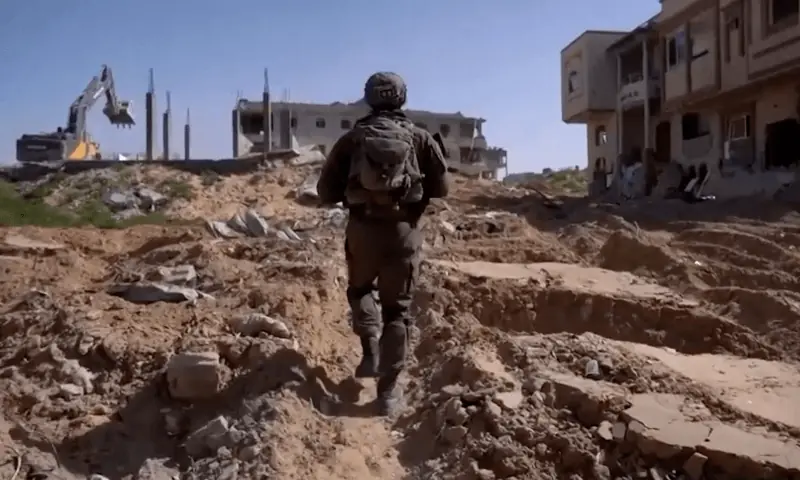

Israeli and Russian security forces have been added to a United Nations blacklist on sexual violence in conflict, according to a report reviewed on Thursday by AFP.
Published annually by the UN, the list includes dozens of state and non-state groups credibly suspected of having engaged “systematically” in sexual violence in countries such as Sudan, Haiti, the Democratic Republic of Congo, Myanmar, Syria and Mali.
Last August, UN Secretary-General Antonio Guterres warned Israel and Russia of their possible inclusion on the list.
Despite the warning, the report says that “incidents and patterns of sexual violence continued to be documented by the United Nations” in the war in Ukraine and in the occupied Palestinian territories.
UN investigators faced “continued denial of access” from authorities in both countries, according to the report, seen by AFP before its circulation among Security Council members.
Regarding Israel, “in 2025, patterns of sexual violence against Palestinians detained in Israel and the Occupied Palestinian Territory continued to be documented”, the report says.
It notes that the cases verified by the UN are indicative of multi-year trends but are not “comprehensive” given the denial of access to Israeli detention centres.
Consequently, in 2025, the UN confirmed multiple cases dating back to 2023 of sexual violence, “including as a form of torture” against 14 men, seven women, nine boys, and one girl in the Gaza Strip and the West Bank.
These violations include rape with an object, gang rape, physical violence against the genitals, forced nudity, and body searches conducted “without apparent security justification.” The perpetrators are identified by the UN as members of the Israeli military, security forces, and prison services.
‘Extreme brutality’
On Thursday morning, Israel denounced the “shameful and absurd” decision by Guterres, calling it an attempt to “create a fake symmetry” with Hamas, which is already on the list.
“We are done with this Secretary-General,” declared Israel’s ambassador to the UN, Danny Danon, in a post on X, signalling a “freeze” in Israel’s relations with the secretary-general’s office until the end of Guterres’s term on December 31, 2026.
He also rejected that the UN had been denied access, asserting that its representatives had been invited to conduct investigations in Israel but “chose not to come; they chose to continue with the campaign against Israel”.
Regarding Russia, the report highlights sexual violence in occupied Ukrainian territories and within Russia itself, perpetrated by armed forces and prison services, particularly against prisoners of war, who provided testimony following their release.
Drawing on data from the Human Rights Monitoring Mission in Ukraine, the report cites 310 cases of conflict-related sexual violence, including rape, genital mutilation, and electric shocks, committed overwhelmingly against men.
Ukraine, while not included on the list, still faces criticism. The report notes 31 cases of sexual violence committed by Ukrainian security forces, particularly against prisoners of war.
However, most of these incidents occurred prior to 2025, the report says, noting that the government has strengthened legislation and permits the UN to conduct investigations.
More broadly, the report deplores a “marked” increase in conflict-related sexual violence in 2025 compared to 2024 — violence “characterised by extreme brutality and overwhelmingly targeting women and girls”.
Russia since 2023 and Israel since 2024 have also featured on another highly publicised annual UN “list of shame” concerning violence against children in conflicts.