Ebola risk now at highest level in DR Congo, says WHO
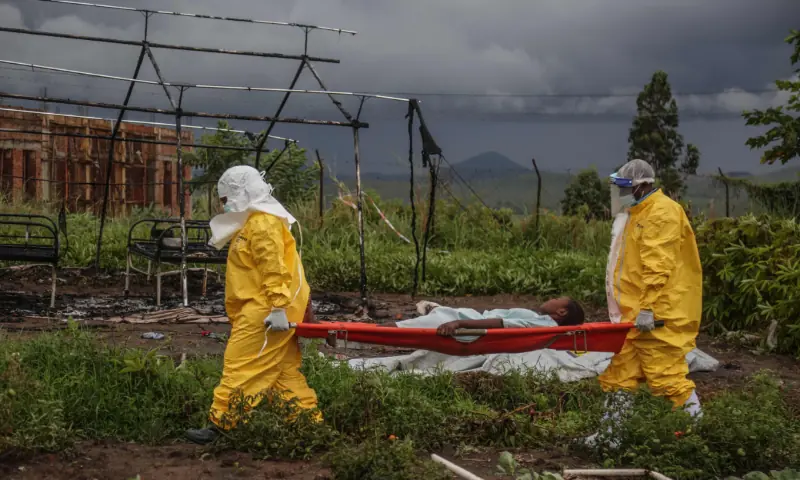
The risk from the deadly Ebola outbreak has been raised to the highest level for the Democratic Republic of Congo (DRC), the World Health Organisation (WHO) said Friday, as the toll continues to rise.
The WHO upgraded its risk assessment level from high to very high for the DRC, while keeping the regional risk level at high and the global risk level at low.
WHO chief Tedros Adhanom Ghebreyesus said the situation was “deeply worrisome”.
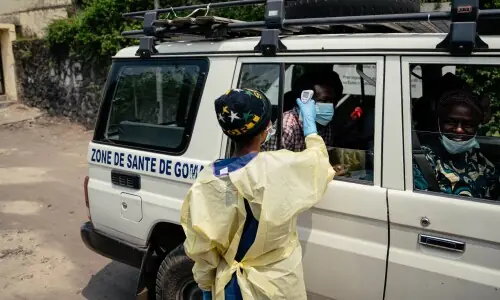
He said there were now nearly 750 suspected cases in the DRC and 177 suspected deaths, as health workers scramble to track down contacts of everyone thought to be infected with the virus.
“The Ebola outbreak in the Democratic Republic of the Congo is spreading rapidly,” he told a press conference.
“So far, 82 cases have been confirmed in DRC, with seven confirmed deaths.
“But we know the epidemic in DRC is much larger. There are now almost 750 suspected cases and 177 suspected deaths.”
He said the situation in Uganda was “stable”, with two cases confirmed in people who travelled from DRC and one death.
Measures taken in Uganda, including “intense contact tracing” and calling off the Martyrs’ Day commemorations, “appear to have been effective in preventing the further spread of the virus,” Tedros added.
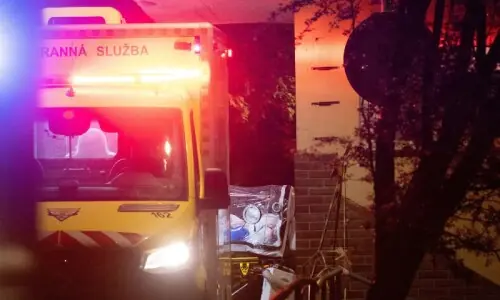
While a US national who was working in the DRC has tested positive and been transferred to Germany for care, Tedros said another US national deemed to be a high-risk contact had been transferred to the Czech Republic.
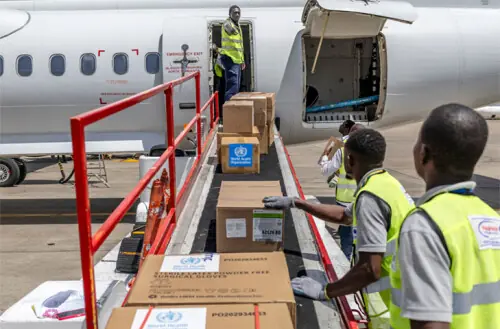
Besides national staff already in the DRC, he said 22 international staff had been deployed to the field, “including some of our most experienced people”.
Tedros said that violence and insecurity were impeding the response to the outbreak in the DRC.
Treatment trials planned
Ebola is a deadly viral disease spread through direct contact with bodily fluids. It can cause severe bleeding and organ failure.
There are no approved vaccines or therapeutics for the Bundibugyo strain of Ebola behind the current outbreak.
There have only been two previous outbreaks of Bundibugyo, in Uganda in 2007 and DRC in 2012.
WHO chief scientist Sylvie Briand said the UN agency was making an inventory of all existing tools which might be useful in combating the outbreak and then prioritising them, with safety and efficacy the main criteria.
The WHO research and development branch has convened its technical advisory group on treatments, which recommended the prioritisation of two monoclonal antibodies for clinical trials.
It also recommended evaluating the antiviral obeldesivir in clinical trials as post-exposure prophylaxis for people who are high-risk contacts.
Briand said it looked “promising” as something that might be able to prevent infected contacts from going on to develop disease from that infection.
The WHO is also in talks with partners on developing eventual vaccines that work against Bundibugyo.