ISLAMABAD: The second Pak-China symposium on early warning for hydrological and geological disasters concluded on Tuesday with focus on critical role of science-driven policymaking, technological innovation and regional collaboration in tackling emerging climate challenges.
Held at NDMA headquarters, the two-day event focused on strengthening bilateral cooperation in disaster risk reduction and climate resilience through technical exchanges and high-level engagements, says a press release.
The symposium commenced on May 18, with Minister for Planning, Development and Special Initiatives Prof Ahsan Iqbal as chief guest. The first Pak-China Symposium was held in August 2025.
On the concluding day, five parallel technical sessions were held. The technical sessions were attended by experts, scientists and researchers from Pakistan and China. They shared research findings, technological advancements and operational experiences on hydrological and geological hazards, climate-induced disasters, glacial risks, and early warning systems. The sessions highlighted the critical role of science-driven policymaking, technological innovation and regional collaboration in tackling emerging climate challenges.
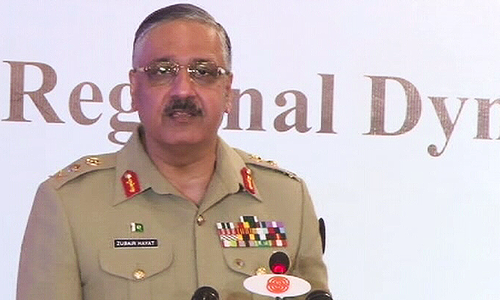
NDMA Chairman Lt Gen Inam Haider Malik reiterated Pakistan’s commitment to regional and international cooperation for disaster resilience. He emphasised leveraging scientific innovation, technology and collaborative partnerships to protect vulnerable communities from future climate-induced hazards. He described the symposium as an important platform for practical cooperation and shared learning between Pakistan and China in disaster management and early warning systems. He proposed to conduct monthly meetings of joint working groups to review the progress on technological integration into disaster management.
A panel discussion on “Climate change and hydrological-geological hazard warning in China and Pakistan: experiences, challenges and joint Responses” was chaired by Dr Lei Yu.
The panelists stressed the urgent need for enhanced regional cooperation, knowledge sharing, scientific partnerships and technological integration to build resilience against climate-related hazards.
During the closing ceremony, speakers appreciated the successful organisation of the symposium and reaffirmed their commitment to continued Pak-China cooperation in disaster risk reduction, climate adaptation, scientific research, and institutional capacity building.
The symposium concluded with the distribution of shields among participants and delegates, followed by a networking session attended by representatives from academia, research institutions, government organidations and international partners from both countries.
Published in Dawn, May 20th, 2026