Current account slips back into deficit
• Posts $324m deficit in April against $1.134bn surplus in March
• Oil import bill jumps 82pc in April to $1.791bn
• Food, luxury imports major contributors to widening gap
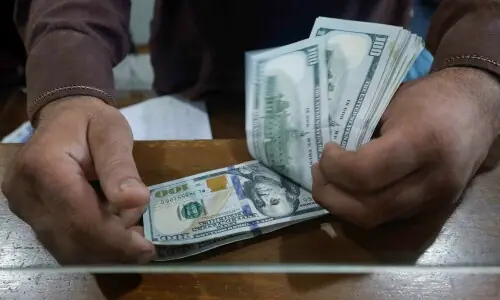
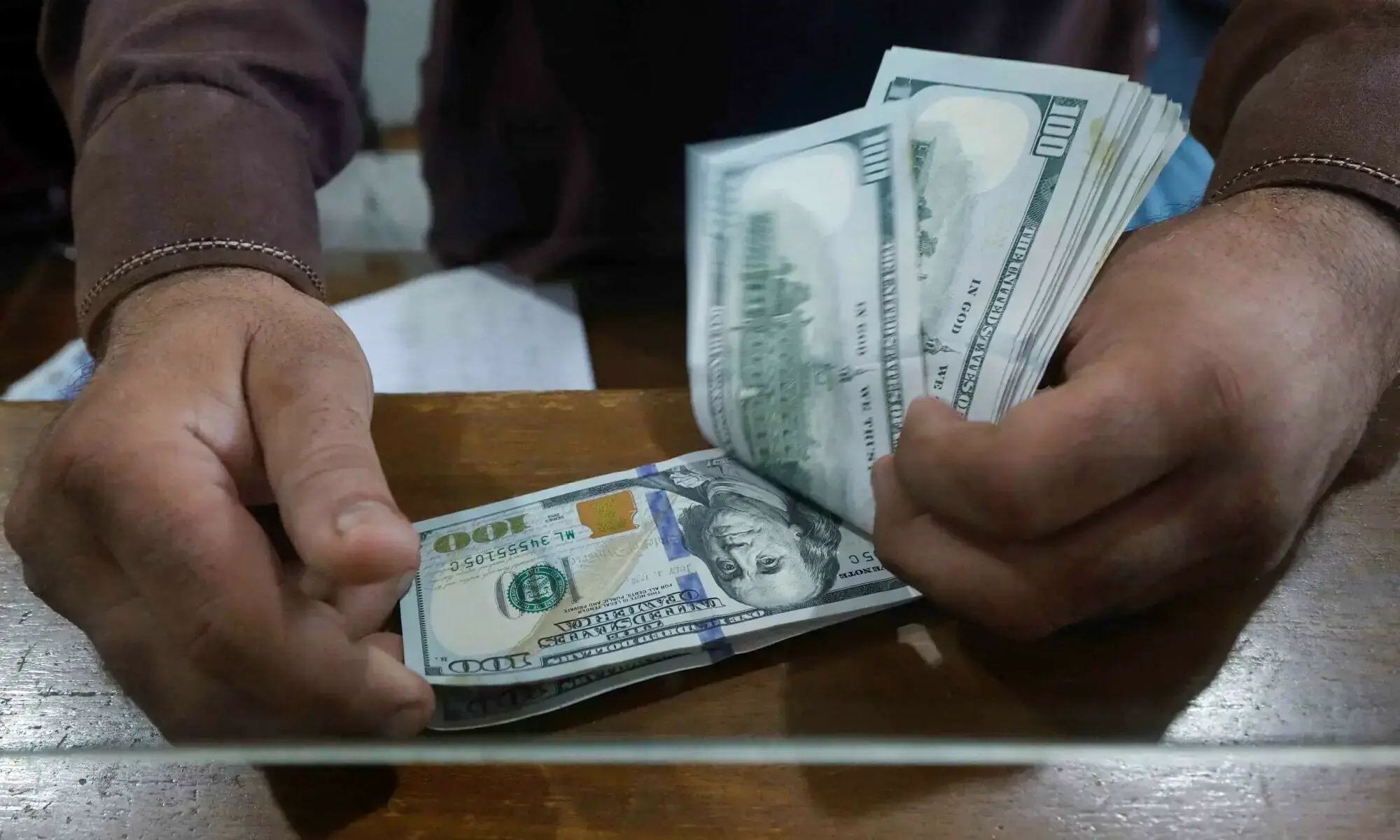
KARACHI: A sharp rise in the oil import bill and persistently high imports of food and luxury goods pushed the current account back into deficit in April, wiping out the $1 billion-plus surplus recorded a month earlier and putting renewed pressure on the country’s balance of payments.
The State Bank’s latest data showed the current account posted a deficit of $324 million in April against a surplus of $1.134bn in March, leaving little chance for improvement in the balance of payments ahead of the close of the fiscal year on June 30, 2026. The deficit in April stood at $324m.
However, the biggest factor behind the negative current account position remained the massive trade deficit of about $32bn during the first 10 months of the current fiscal year (FY26), particularly due to imports of food and luxury items.
During the first 10 months of FY26, the current account deficit (CAD) stood at around $252m against a surplus of $1.662bn in the same period last year. FY25 had ended with a surplus of $1.8bn, the first such surplus in almost two decades.
Recently, the government said Pakistan needed only $1bn to clear all outstanding dues, as most FY26 liabilities had either been rolled over or paid, while a few rollovers were still in the pipeline.
The first two quarters of the current fiscal year posted deficits of $737m and $624m, respectively, but the third quarter recorded a surplus of $1.433bn during January-March FY26.
However, the fourth-quarter trend suggests it could end in deficit, putting the entire fiscal year in a difficult position with a current account gap that may exceed the expectations of both the State Bank and the government.
Meanwhile, a perception has been circulating in trade and industry circles that Pakistan’s higher payments for imported petroleum products were primarily responsible for widening the trade deficit to $32bn during the first 10 months.
The data, however, paints a different picture. Although oil prices crossed $100 per barrel in the international market during the Gulf conflict, Pakistan paid $983m for oil imports in March this year compared to $1.199bn in March 2025, reflecting a decline of 18pc.
However, April data showed the oil import bill jumped by 82pc to $1.791bn from $983m in March, indicating that the trade deficit could widen further and keep the current account in deficit.
Even so, oil payments during July-April FY26 remained lower at $12.250bn compared to $12.761bn in the same period last fiscal year, suggesting that higher oil prices alone were not sufficient to increase the current account deficit. Imports of food and luxury goods remained the main contributors to the wider trade gap.
Remittances remained strong despite more than two months of US-Israel war on Iran and uncertainty in the Gulf region, with no decline so far recorded in inflows from the region, helping the government contain the current account deficit.
Published in Dawn, May 19th, 2026