NGO questions reliability of HIV projections in Pakistan
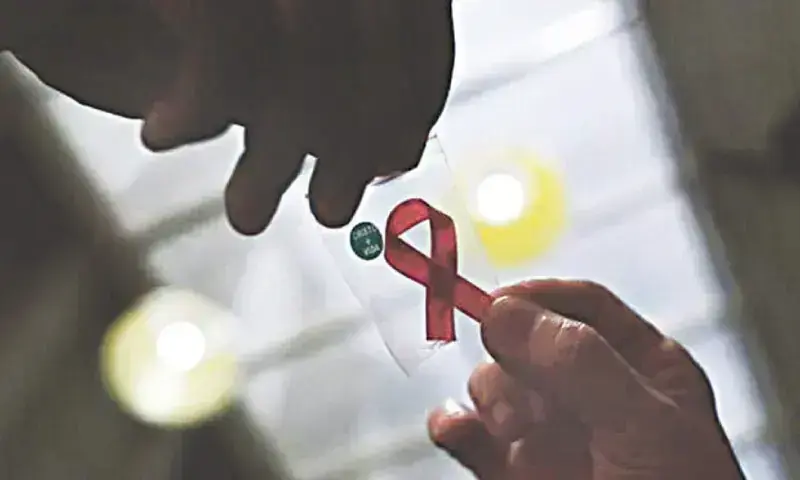

ISLAMABAD: Pakistan’s HIV response is being shaped by figures that may not fully reflect the ground reality, as estimates suggest that around 370,000 people are living with HIV in the country, raising questions about how closely these numbers align with actual epidemiological trends.
According to Nai Zindagi, much of the concern centres on widely cited projections by UNAIDS, which indicate a growing HIV burden in Pakistan. These estimates rely heavily on data drawn from the Integrated Biological and Behavioural Surveillance (IBBS) rounds financed by the Global Fund.
However, experts have pointed to serious methodological gaps in these surveys, raising doubts about the reliability of the projections that continue to influence policy decisions, funding priorities and public perception.
Talking to Dawn, Executive Director of Nai Zindagi Malika Zafar said the IBBS did not survey the general population.
“It focuses entirely on key populations, including female sex workers, transgender persons, men who have sex with men, and people who inject drugs (PWID). These findings are often extrapolated into sweeping national projections despite HIV prevalence in Pakistan’s general population remaining around 0.05 per cent,” she said.
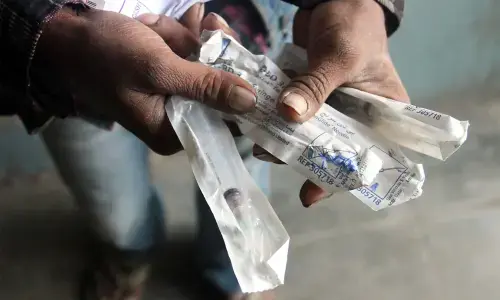
Ms Zafar said the clearest example was Karachi, where Nai Zindagi has worked with PWID since 1989 and, with Global Fund support since 2011, has operated outreach services across nearly 500 hotspots in 62 districts.
She said that in 2011, the IBBS estimated roughly 16,544 PWID in Karachi, a city of over 20 million people. Consequently, Nai Zindagi expanded its outreach, yet field operations consistently found nowhere near that many individuals.
By 2016, the IBBS estimate had increased to 24,036. According to Ms Zafar, mapping data from the IBBS revealed similar locations appearing repeatedly under similar names, inflating the count.
Despite extensive field coverage, Nai Zindagi’s verified programme data identified roughly 5,500 active individuals across all functioning hotspots in Karachi.
She said requests for data cleaning and reconciliation were reportedly not acted upon. Inflated figures were incorporated into the UNAIDS Asian Epidemic Model and presented publicly as epidemic projections.
“Projections are statistical estimates, not confirmed epidemiological realities,” she said.
The 2025 IBBS round further intensified concerns. Using reverse tracking and geolocated hotspot verification, the survey itself identified 2,438 PWID in Karachi, while Nai Zindagi independently reported 3,169 individuals.
Strikingly, approximately 98 per cent of mapped hotspots corresponded with Nai Zindagi’s verified locations.
“Yet Bayesian synthesis methods were applied with heavy weighting given to the inflated 2016 estimates. This produced a final projection of nearly 25,000 PWID in Karachi, almost ten times the figures generated by field data from the 2025 IBBS,” she explained.
Ms Zafar said mapping exercises had located and verified populations and hotspots, but the inflated projections corresponded to no identifiable location or population.
She cautioned that the methodology had mathematically manufactured phantom populations disconnected from field realities.
“Inflated estimates distort resource allocation, misdirect prevention strategies, weaken confidence in surveillance, and undermine the credibility of Pakistan’s HIV response internationally. When paired with elevated prevalence estimates, even small distortions in population size exponentially magnify national projections,” she said.
According to the executive director, Pakistan faces real HIV challenges, but credible public health policy requires credible evidence.
“Given the devastating implications of inflated estimates, there is an urgent need to revisit the methodology behind population size estimation and Bayesian synthesis within the IBBS framework,” she said.
Ms Zafar argued that independent validation exercises, such as repeat mapping, could verify estimates against field realities and restore confidence in the data guiding Pakistan’s HIV response.
Beyond policy and programming, she said inflated projections were also damaging Pakistan’s international standing.
“The country’s HIV response is increasingly viewed globally through alarming epidemic estimates that bear little resemblance to on-the-ground realities. This has projected Pakistan as facing an uncontrolled epidemic that field evidence cannot substantiate,” she said.
“Accurate surveillance is essential for protecting the credibility of Pakistan’s public health institutions and ensuring international representation is based on evidence,” she added.
Published in Dawn, May 14th, 2026