Finance minister discusses budget preparations with visiting IMF mission
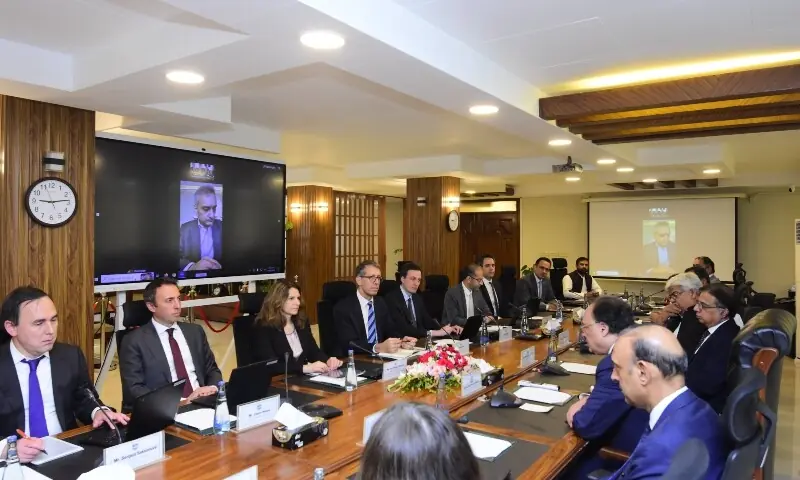


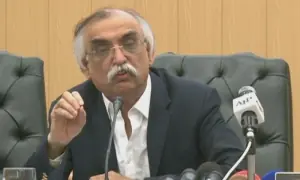
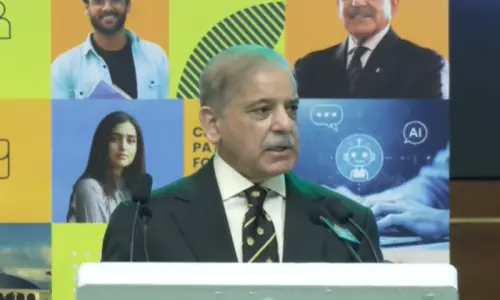
Finance Minister Muhammad Aurangzeb on Wednesday discussed preparations for the upcoming federal budget and the country’s broader reform agenda with the International Monetary Fund (IMF) visiting Islamabad, the finance ministry said.
He briefed the delegation on the country’s macroeconomic outlook, fiscal strategy, reform priorities, and the government’s ongoing efforts to ensure sustainable economic stability and long-term growth, the ministry said on the social media platform X.
The ministry said that the discussions focused on the country’s “macroeconomic stabilisation efforts, preparations for the upcoming federal budget, and the broader reform agenda aimed at strengthening fiscal and external sustainability while fostering sustainable economic growth”.
“Both sides exchanged views on maintaining reform momentum, preserving macroeconomic stability, and advancing structural reforms to promote investment, productivity, and export-led growth within a balanced and forward-looking policy framework,” the ministry said.
Welcoming the IMF delegation to Islamabad, the finance minister “appreciated the Fund’s continued engagement and constructive dialogue” with the government, it said, adding Aurangzeb particularly acknowledged the productive discussions initiated during the spring meetings held in Washington earlier this year.
The ministry added that Aurangzeb shared encouraging developments regarding the country’s external sector, highlighting positive trends in remittances and export performance.
“He noted that recent data indicated improvement in exports on both a month-on-month and a year-on-year basis, reflecting growing resilience in the economy and a gradual strengthening of macroeconomic fundamentals,” it said.
Further, the finance minister emphasised that while economic stabilisation efforts had produced encouraging results, the government remained fully mindful of the structural challenges confronting the economy, particularly external liabilities and the need to accelerate sustainable, export-led growth, it said.
Aurangzeb also reiterated the government’s commitment to deepening reforms aimed at strengthening macroeconomic stability without compromising long-term growth prospects.
“In this regard, he underscored the importance of moving Pakistan away from recurring boom-and-bust cycles through structural reforms, productivity enhancement, deregulation, and improved export competitiveness,” it said.
Aurangzeb further stated that the government’s reform agenda had been carefully calibrated in consultation with international experts and economists. He emphasised that the ongoing policy measures were not driven by short-term considerations, but formed part of a broader and technically grounded economic transformation strategy endorsed at the highest level, the ministry added.
The finance minister also briefed the mission on the country’s continued engagement with international development partners, including ongoing economic cooperation initiatives with China and efforts aimed at mobilising long-term investment aligned with the country’s strategic economic priorities.
According to the ministry, the visiting IMF mission, led by Iva Petrova, acknowledged the “positive progress made by Pakistan in maintaining macroeconomic stability despite a challenging global and regional environment”.
“The mission appreciated the government’s continued commitment to prudent economic management and reform implementation,” the ministry said.
“The IMF team emphasised the importance of sustaining reform momentum, maintaining fiscal discipline, and advancing structural reforms to support durable and inclusive economic growth. Discussions during the meeting also focused on the broader macroeconomic framework, the government’s reform agenda, and priorities for the upcoming budget,” it said.
“The mission reaffirmed its commitment to continued engagement and constructive cooperation with the government of Pakistan in support of the country’s economic reform programme and long-term economic resilience,” the ministry concluded.
Last week, the international money lender had approved a new disbursement for Pakistan of about $1.3 billion, acknowledging the nation’s resilience in maintaining economic stability while warning that continued reforms are essential to manage growing risks from the war in the Middle East.
Meanwhile, the government is considering reducing the income tax burden on salaried individuals while refraining from increasing salaries and pensions in the upcoming budget, aiming to provide equitable fiscal relief to both public and private sector employees.
Informed sources have told Dawn that Aurangzeb has expressed a desire to lower tax rates and, if possible, raise the taxable income threshold for the salaried class in recognition of their significant contribution to revenue generation compared to retailers, wholesalers, exporters and real estate players.
On the other hand, the government may keep salaries and pensions unchanged at current levels, using the resulting fiscal savings to provide tax relief instead.