Stability as strategy in an energy crisis


 0
0
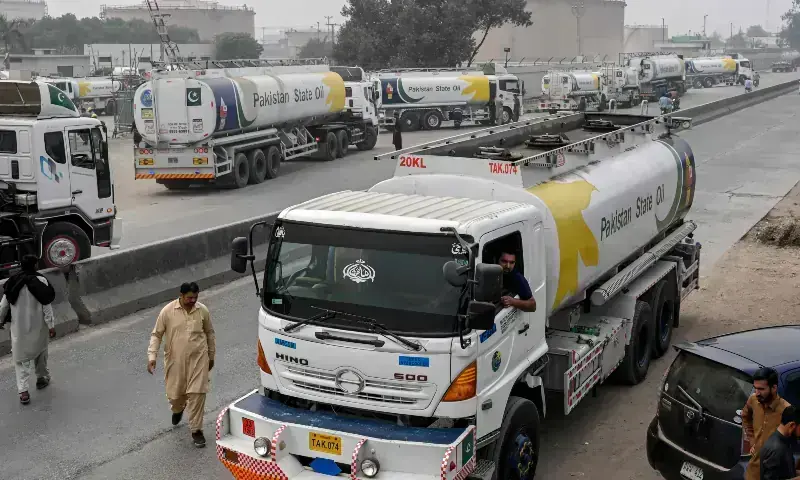

This is the third global energy shock in less than two decades. For Pakistan, where imported fuel underpins much of the economy, the impact is invariably sharper than for most peers. The previous shocks in 2008 and 2022 did more than raise prices. They destabilised growth, strained external balances and reshaped politics. As the current crisis unfolds, the central question is whether policymakers will finally break from a pattern of costly, short-term fixes.
The first episode, in 2007–08, was particularly severe. Oil prices doubled between June 2007 and June 2008. Prior to the surge, Pakistan’s economy was in relatively comfortable shape. Foreign exchange reserves stood at over $13 billion, covering more than 30 weeks of imports. Growth averaged nearly six per cent in preceding years, the currency was stable, and equity markets were buoyant. As the shock coincided with an election cycle, the government chose not to pass on the full burden to consumers, absorbing the increase through subsidies.
The consequences were severe. Coupled with significant political instability, foreign direct investment declined by more than 20pc. Foreign exchange reserves fell to just over $5bn. In response to a deep balance-of-payments crisis, the State Bank raised the policy rate to 15pc and above, while introducing tighter import controls.
Although global oil prices dropped below $40 per barrel in August 2008, inflation remained in double digits from 2008 to 2011, and many of the regulatory duties introduced at the time continue to persist. Since that period, Pakistan’s exports, which were growing at double-digit rates from 2001 onwards, began to stagnate, and Pakistan has fallen seriously behind its peers.
Excessive tightening now could discourage investment, raise borrowing costs, and disrupt business activity, especially for smaller firms
The 2022 shock, triggered by the war in Ukraine, followed a similar pattern. Crude oil prices rose above $120 per barrel, inflation climbed to around 20pc by mid-2022, and a cumulative currency depreciation of 28pc by June 2023 intensified pressures. The import bill expanded sharply, increasing fiscal risks. Yet the policy response repeated earlier mistakes.
Rather than allowing domestic prices to adjust, the government sought to shield consumers through fiscal and quasi-fiscal measures. In doing so, it prioritised short-term relief over macroeconomic stability, deepening the vulnerabilities it sought to contain. Ultimately, these pressures proved politically costly, and the government was unable to complete its term.
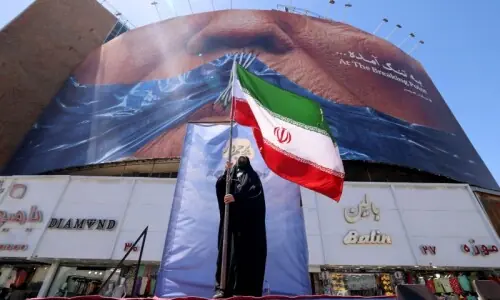
The current crisis, driven by geopolitical tensions and disruptions around the Strait of Hormuz, has already pushed oil prices from around $70 to above $110 per barrel. The government’s initial response has been more measured. Remaining within the International Monetary Fund programme, resisting the reintroduction of large-scale energy subsidies, and not compressing imports are important signals of discipline.
However, early restraint will matter only if it is sustained. Familiar pressures are already emerging. There are calls to soften the impact of rising prices, demands for protectionist measures to curb imports, and a tendency toward aggressive monetary tightening. Each of these, if mishandled, risks repeating past mistakes.
The lessons from 2008 and 2022 are clear. Subsidising imported energy during a global price shock is ultimately self-defeating. It fuels demand, drains reserves and postpones adjustment at a far higher eventual cost. Similarly, attempts to suppress imports through ad hoc tariffs distort incentives, undermine competitiveness and weaken growth.

A credible strategy rests on three pillars. First, maintain price signals. Domestic energy prices must reflect global realities while protecting the most vulnerable through targeted, transparent support rather than blanket subsidies. Second, preserve external stability by avoiding measures that further isolate Pakistan’s economy, particularly its international trade. Third, continue structural reforms that improve energy efficiency and diversify supply sources, including greater reliance on renewables.
Monetary policy needs to be handled with care. While some tightening may be necessary to keep inflation in check, going too far could slow growth and increase unemployment at a time when the economy is only beginning to recover. This balance is evident in the industrial sector. Even though overall industrial value added declined by 1.65pc in 2024 to 2025, recent data show a strong rebound, with production growing by 9.4pc in the first quarter of FY26, reflecting renewed momentum and confidence.
However, this recovery is still fragile and uneven, and it depends on supportive financial conditions and steady demand. Excessive tightening now could discourage investment, raise borrowing costs, and disrupt business activity, while also weakening exports and manufacturing. Such a response would risk undoing recent gains.
The writer currently serves as a WTO Trade Arbitrator and has previously served as Pakistan’s Ambassador to the WTO.
Published in Dawn, The Business and Finance Weekly, May 11th, 2026