Stakeholders concerned at plan to turn cotton institute’s part into gymkhana club


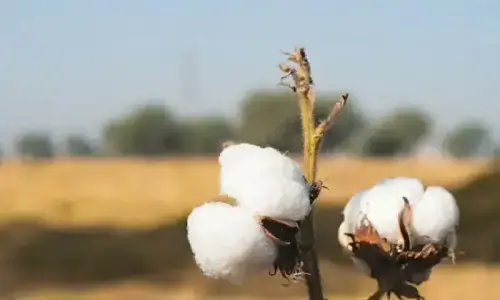
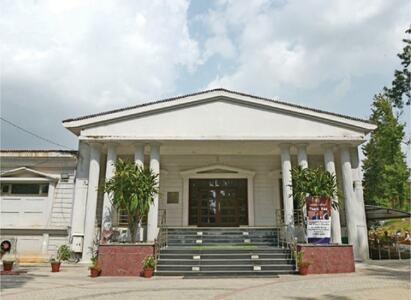
LAHORE: A controversial plan to convert a part of a key cotton research institute in Multan into a gymkhana club has alarmed the stakeholders, who warn that the plan, if executed, could further undermine Pakistan’s already struggling cotton sector.
Earlier, concerns had also been expressed after the historic building of the Karachi Cotton Association (KCA) in Karachi– long regarded as a global symbol of Pakistani cotton – was first sealed by the Federal Investigation Agency (FIA), and is now reportedly being used to house the agency’s offices.
Stakeholders see these developments as part of a broader pattern of neglect toward the cotton industry at the government level.
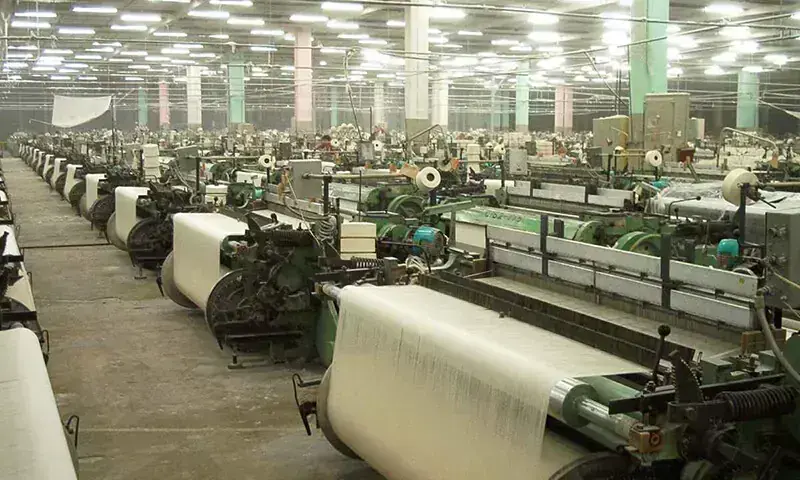
The Central Cotton Research Institute (CCRI) in Multan, established in 1970 over 100 acres, has developed more than 40 cotton varieties, including virus-free strains that earned international recognition. Despite dwindling funding, large-scale research continues at the institute.
However, according to the Multan commissioner, 15 acres of the institute’s land are now being allocated for a gymkhana club. The move is considered unnecessary as ample government land is available elsewhere in the city for such a project.
Stakeholders fear that move could significantly disrupt cotton research activities, urging both federal and provincial governments to reconsider the decision to protect ongoing cotton research.
The concerns come at a time when Pakistan’s cotton reserves have reportedly fallen to a historic low – below 30,000 bales – due to a halt in imports because of the Gulf conflict.
The new ginning season, previously expected in mid-May, is now likely to begin after Eidul Adha on May 28, as transport availability typically declines in the days leading up to the festival.
Additionally, extreme heat and possible rains in major cotton-growing regions may also delay the sowing and picking, further straining the supply. If import disruptions persist, textile mills could face serious challenges.
The Cotton Ginners Forum chairman Ihsanul Haq has called for urgent government intervention to boost cotton cultivation by ensuring sufficient canal water in cotton-growing areas, reducing diesel prices, providing affordable agricultural inputs and banning the sugarcane cultivation and establishment of sugar mills in cotton zones.
Such measures, he argues, could save billions of dollars in foreign exchange spent annually on cotton and edible oil imports.
Meanwhile, cotton prices remained stable last week, ranging between Rs21,000 and Rs21,500 per maund, with expectations of further increases in the coming days.
Anticipating a sharp rise in prices, traders and ginning factory owners have decided to avoid advance deals. Previously, advance contracts had reached Rs21,700 per maund for cotton and Rs10,500 per 40kg for seed cotton.
PA SPEAKER: Punjab Assembly Speaker Malik Muhammad Ahmad Khan says Pakistan has played a pivotal and constructive role in fostering regional peace and contributing to the peaceful resolution of international disputes, a role widely acknowledged by the global community.
He noted that Pakistan’s diplomatic engagement and facilitation efforts regarding the ceasefire between the United States and Iran were of significant strategic importance. He said under the leadership of Prime Minister Shehbaz Sharif and Field Marshal Syed Asim Munir, Pakistan has actively contributed to peace-building initiatives and stability in the region. The entire nation remains prayerful and supportive of its leadership in these endeavours.
Addressing the oath-taking ceremony of the newly-elected office bearers of the Ready-Made Garments Association, Shah Alam Market, the speaker remarked that Pakistan has emerged as a resilient and responsible state, demonstrating strength not only in diplomatic engagements but also in its defence capabilities. He highlighted that the Armed Forces of Pakistan responded in a timely and effective manner to safeguard national sovereignty, thereby enhancing the country’s prestige.
Published in Dawn, May 4th, 2026