The future of energy is closely tied to efficient batteries, not only for e-bikes and electric vehicles (EVs) but also for domestic and commercial power banks for solar energy. The current game-changer is the lithium-ion (Li-ion) battery, set to replace wet and dry lead-acid batteries.
Pakistan’s battery demand is low, but if EVs, solar storage, and grid applications take off, total demand across sectors could grow to tens of GWh over the next decade.
However, currently, Pakistan’s Lithium-ion ecosystem is structurally shallow, with less than 20 per cent domestic value addition and heavy reliance on imports — most of the batteries used in e-bikes and EVs are imported, though there are a number of battery assemblers in the country.
Meanwhile, one group — ‘Wavetec’, through its subsidiaries, EV Technologies and Atom Power — is set to start assembling Li-ion battery cells in Karachi within six months. “EV adoption cannot scale sustainably without a strong battery ecosystem,” said Huma Khattak, CEO of Atom Power and EV Technologies.
‘If we do not localise, we risk replacing our dependence on oil imports with dependence on battery imports’
She added that Atom Power is also working to support Pakistan’s broader battery and energy storage needs. “If we do not localise, we risk replacing our dependence on oil imports with dependence on battery imports. After the implementation of lithium-ion cell manufacturing, the next phase will be gradual localisation of battery raw materials and upstream processing.”
According to Khattak, Pakistan needs to focus on battery energy storage systems to support growing demand from solar, grid and industrial applications. Li-ion battery imports in Pakistan have increased from approximately 1.25 GWh in 2024 to 2.5-3.0 GWh in 2025. Looking ahead, total demand is expected to grow rapidly over the coming decade. This growth is driven by electric mobility, solar-linked storage, and the need for reliable backup power.
At the same time, global battery costs have declined significantly from over $700 per kWh in 2015 to around $140 per kWh in 2024, making adoption more viable. There is now a clear push from the government to ensure that this demand translates into local industrial capacity rather than continued reliance on imports.
Unfortunately, a lack of policy often leads to a lack of standardisation, resulting in accidents and a loss of consumer trust in the product. Currently, there is no formal policy for Li-ion batteries, and without proper standards, there is a risk of low-quality products entering the market, especially in batteries where safety depends on cell quality, thermal management and system integration.
Apart from the policy, a key gap in Pakistan’s standardisation is the lack of a robust local testing and certification infrastructure. “We need accredited laboratories within the country that can test battery safety and performance, certify products against international standards, and act as a reliable, independent source for vetting quality,” Khattak said, adding that without this, enforcement becomes difficult, and the market risks being driven by price rather than safety.
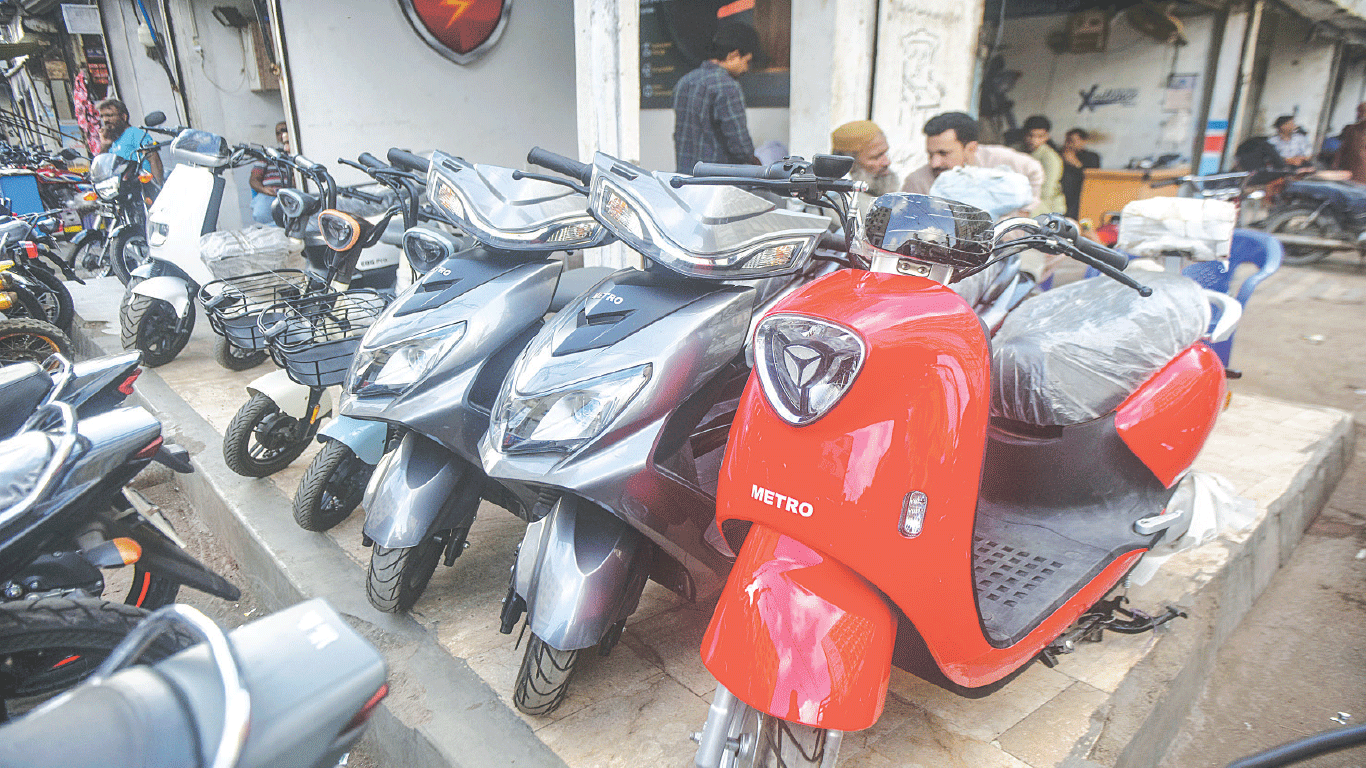
As the government of Pakistan, too, is striving to promote e-bikes, their affordability and operating costs matter far more than premium features for users. Motorcycles in Pakistan are primarily used because they are affordable, reliable, and economical to run.
“Electric motorcycles must compete on these same fundamentals; the e-bike manufacturers have to focus on not just the technology, but on making electric mobility economically viable for the user,” Khattak stressed.
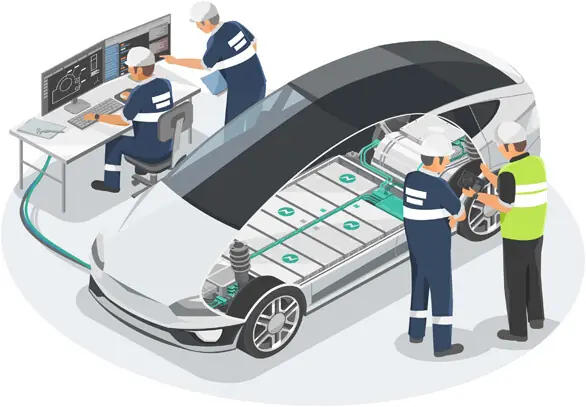
Though the e-bikes offer significantly lower running costs and minimal maintenance due to fewer moving parts, the key challenges are upfront cost and customer trust. Advancements in technology have made charging e-bikes simpler without a large-scale public charging infrastructure. However, in the long term, the solution will be a mix of home and workplace charging, distributed charging points, and battery-swapping models for commercial users.
The direction the government is taking also supports battery swapping and integration into urban infrastructure, which aligns well with local usage patterns. But as the usage of Li-ion batteries continues to grow, there is a need to plan for the critical issue of proper disposal of dead batteries.
Li-ion batteries have a lifecycle of six to 10 years, and Pakistan is expected to start seeing significant end-of-life volumes from around 2029 onwards. The upcoming battery policy must include a structured collection and second-life usage or recycling mechanism to avoid making the country a jumble of expired lithium-ion batteries. This could help the recovery of valuable materials and a new industrial segment around recycling and refurbishment.
Simultaneously, significant work is underway globally on next-generation battery technologies, such as sodium-ion and solid-state batteries. However, Li-ion will likely remain dominant in the near to medium term, especially for mobility applications.
Published in Dawn, The Business and Finance Weekly, May 4th, 2026