0
0
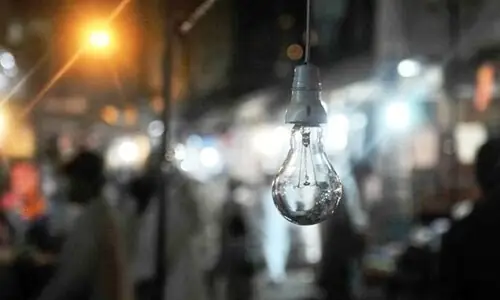

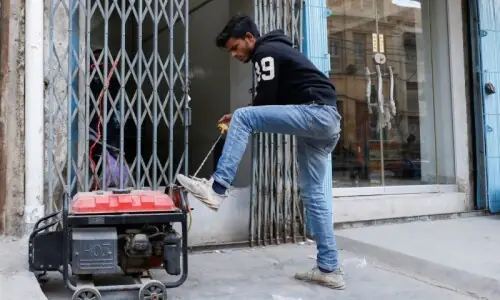
ISLAMABAD: In an interesting show of lampooning, the National Electric Power Regulatory Authority (Nepra) publicly confirmed that revenue-based loadshedding is illegal, but the Power Division rejected this, saying the practice would continue nevertheless to avoid the addition of Rs400bn to the circular debt already roaring back to Rs1.8 trillion from about Rs1.6tr nine months ago.
At a public hearing on an insignificant 27 paise per unit fuel cost adjustment (FCA), the government also reported that it was considering removing the petroleum levy on furnace oil to shield the power consumers from high tariffs because of the unavailability of liquefied natural gas (LNG), subject to clearance from the International Monetary Fund.
Chief financial officer of Power Planning and Monitoring Company (PPMC), Naveed Qaisar, said there was no shortage in Karachi, but K-Electric was following revenue-based loadshedding in high-loss areas.
He also confirmed revenue-based loadshedding in the rest of the country, otherwise the circular debt would increase by over Rs400bn, which already stood at Rs1.798tr at March 31, when compared to Rs1.161tr at the start of FY26.
Power Division vows to continue practice
Nepra member Amina Ahmed said the revenue-based loadshedding was illegal. Asked where the law stood when something declared illegal in multiple decisions and announced at the public hearing by the regulator was not only confirmed to be in vogue by the regulated entities on the same occasion, but also announced to continue in future as well. Members of the regulator conducting the public hearing remained silent despite reminders from other intervenors.
Mr Qaiser said the gas supply to the power sector had increased to 140 million cubic feet per day (MMCFD) from 80 MMCFD, while an LNG cargo was expected to start delivering about 100 MMCFD more within days, further increasing the gas supply to about 250 MMCFD.
He said the government was examining options for how to address the expansion of the protected consumer category through tagging.
Published in Dawn, April 29th, 2026