AS the fate of the US-Iran peace talks expected to be held in Islamabad hangs in the balance, the international community remains on tenterhooks. At the time of writing, Iran had not made a decision about attending, citing mistrust of the US, and violations of the ceasefire allegedly committed by America. The two-week truce is due to end soon.
As per Tehran, there are three main irritants that have called the status of the talks into question: America’s blockade of Iranian ports, its attack on an Iranian cargo ship on Sunday, and delays in the Lebanon ceasefire. Unless these issues are addressed, and there is some sort of compromise, it is difficult to say whether the second round will go ahead, even as the Americans are reportedly due in Islamabad this morning.
Amongst the biggest obstacles to peace is the mixed messaging from the White House, frequently combining offers of peace and bombastic threats in the same sentence. For example, US President Donald Trump said he is offering a “fair and reasonable deal”, yet in the same post threatened to destroy all of Iran’s power plants and bridges in case there is no agreement. He further asserted there would be “no more Mr nice guy” — in all caps — in case Iran did not agree to a deal.
Mr Trump should realise that such bellicose rhetoric has failed to disturb the Iranians, and has only hardened their tone. Moreover, the US war secretary, who peppers his public statements with extremist religious rhetoric, coarse language and threats, seems to be doing all he can to ensure that the talks collapse.
Instead of such bellicosity, which has resulted in much tragedy in Iran and brought America no tangible benefits in this disastrous war, the US should adopt a constructive approach towards Tehran. On Iran’s part, its first vice president has said there should be “a free oil market for all” or “significant costs for everyone”.
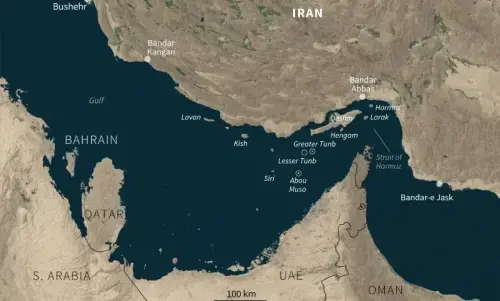
If the negotiations are to proceed and produce a positive outcome, the US should immediately lift the blockade of Iranian ports, while Tehran should respond by ensuring free passage through the Strait of Hormuz. Furthermore, Washington’s threats and bullying should end, and both sides must meet in good faith, respecting the norms of diplomacy. Israel should also be firmly told to end its hostile actions in Lebanon.
Pakistan has invested much time and effort in this Herculean diplomatic exercise, and practically the entire international community has recognised its efforts for peace. There is an urgent need to make a deal to achieve a lasting and just peace — no party can afford to lose sight of this goal. If this opportunity is lost, the consequences for all will be extremely grim.
Published in Dawn, April 21st, 2026