Gilgit-Baltistan gears up for legislative assembly elections as canvassing gains momentum
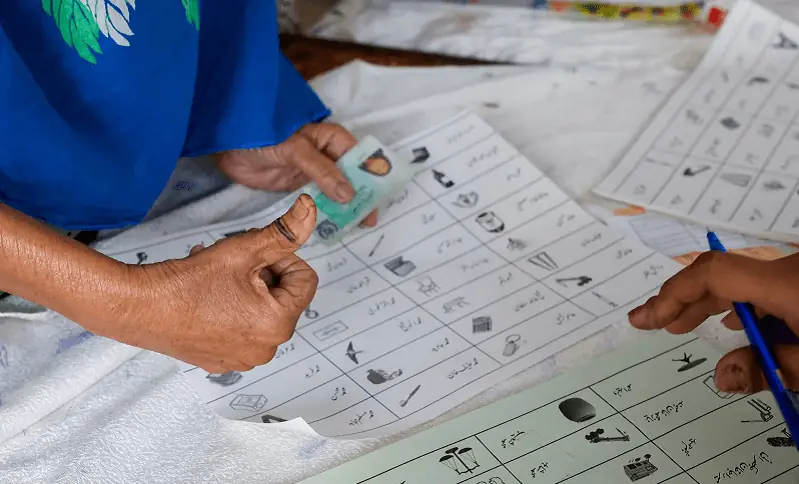
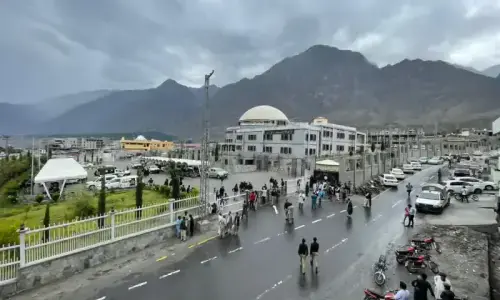
GILGIT: Preparations for the general elections to the Gilgit-Baltistan Assembly are in full swing, with political parties having started campaigning.
The GB Election Commission, in coordination with the administration, has finalised a plan to ensure peaceful, transparent and free and fair elections.
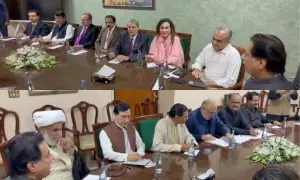
According to a press release issued by the GB Election Commission Secretariat, an important meeting was held at the GB Election Commission to make arrangements for peaceful, transparent, free and fair elections in the region, as the GB Assembly elections are scheduled for June 7.
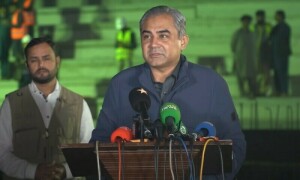
According to the press release, the meeting was attended by GB Chief Election Commissioner Raja Shahbaz Khan, Chief Secretary Gilgit-Baltistan Arshad Majeed Mohmand and Inspector General of Police Gilgit-Baltistan Dr Nasir Akbar Khan.
The meeting reviewed arrangements for the upcoming general election, including the security plan, provision of facilities at polling stations, training of election staff, identification of sensitive polling stations and other important issues.
On the occasion, the GB Chief Election Commissioner said that complete transparency, impartiality and the rule of law should be ensured in the conduct of elections. He said all institutions should perform their duties through mutual cooperation and a coordinated strategy.
The GB Chief Secretary assured that the district administration would provide all possible facilities during the election process and that all administrative matters would be completed in a timely manner. During the meeting, Inspector General of Police Dr Nasir Akbar Khan briefed participants on security measures and arrangements.
He said a security plan was being prepared for the GB Assembly elections to ensure complete protection for voters, election staff and candidates. The meeting also emphasised that strict compliance with the code of conduct should be ensured and indiscriminate action taken against violators.
On this occasion, it was resolved that the General Election 2026 in Gilgit-Baltistan would be held in a free, fair, transparent and peaceful environment, and that people would be provided full facilities to exercise their right to vote. Earlier, the GB Election Commission established an appellate tribunal to hear appeals related to the general elections to the Gilgit-Baltistan Assembly.
Mr Justice Raja Shakeel Ahmed, a judge of the Gilgit-Baltistan Chief Court, has been appointed as the appellate tribunal. According to a notification, the judge will hear and decide appeals filed against the acceptance or rejection of nomination papers in all 24 constituencies of the GB Assembly.
The appellate tribunal will dispose of the appeals within the stipulated time to avoid delays in the election process and ensure that all stages are completed on schedule. In this regard, the period for hearing and deciding appeals has been fixed from May 2, 2026, to May 9, 2026.
According to the Public Relations Department of the Election Commission Secretariat, Gilgit-Baltistan, this step has been taken by exercising powers conferred under Section 63 of the Election Act, 2017, to ensure that the electoral process is transparent, fair and in accordance with the law.
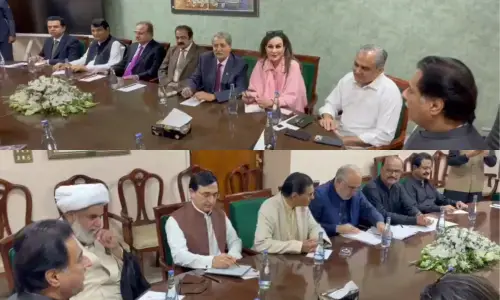
Pakistan Muslim League-Nawaz, Pakistan Peoples Party, Pakistan Tehreek-i-Insaf and other political and religious parties have formed boards comprising senior leaders to decide party tickets in the 24 constituencies.
Meanwhile, corner meetings, gatherings and social media campaigns have intensified. Candidates in all constituencies have started submitting their nomination papers to contest the elections, as the last date for submission is April 20.
“Social media is a more dominant tool for canvassing the elections despite electricity shortages and poor internet connectivity in the region,” said Mohsin Ali, a local resident. He explained that candidates are focusing more on social media platforms, particularly Facebook, to attract voters and deliver their messages. However, physical activities such as public gatherings, displaying banners, posters, flags and car rallies have declined.
Published in Dawn, April 18th, 2026