ISLAMABAD: Pakistan Customs has reported major seizures of narcotics and precursor chemicals through enhanced intelligence-sharing, risk-based targeting, and interregional coordination, officials said on Friday.
The performance was highlighted at the four-day 8th Expert-Level Meeting of the Inter-Regional Network of Customs Authorities and Port Control Units (IREN), held under the Global Passenger and Cargo Control Programme (PCCP).
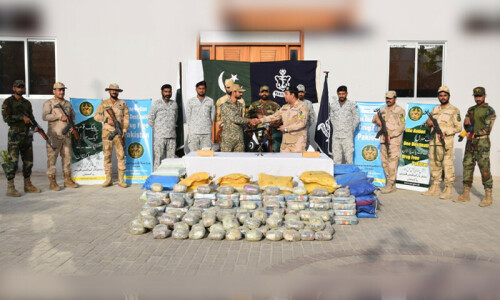
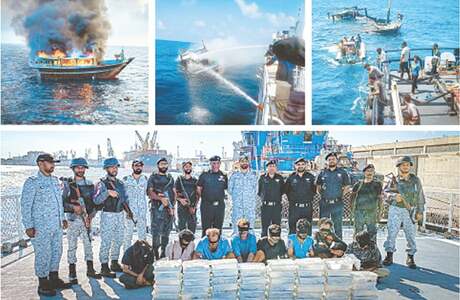
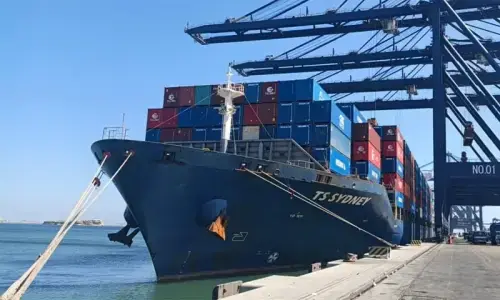
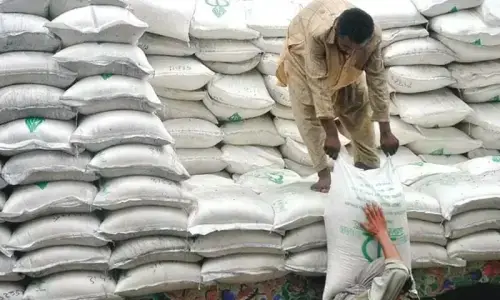
According to an official statement, enforcement authorities seized 1.7 tonnes of methamphetamine in 2024, followed by 1.3 tonnes of methamphetamine and 2.6 tonnes of opium in 2025. The seizures also included over 14 tonnes of red phosphorus, around 100 kgs of cocaine, and significant quantities of psychotropic substances destined for international markets.
Pakistan Customs seizes major drug consignments
The meeting was jointly organised by the United Nations Office on Drugs and Crime (UNODC) country office in Pakistan, Pakistan Customs, and the Anti-Narcotics Force.
Participants discussed emerging trafficking trends, the need to balance trade facilitation with enforcement, and the use of digital tools and artificial intelligence in border risk management.
Established in 2019, the IREN network enables real-time information-sharing to counter cross-border trafficking. It currently links 36 ports and airport control units and targets centres across nine countries, supported by more than 160 trained officers.
The forum brought together customs officials, law enforcement agencies, and international experts from eight member states to strengthen coordination against illicit trade and transnational organised crime.
Pakistan Member Customs (Operations) Syed Shakeel Shah said the meeting marked the first expert-level IREN forum hosted by Pakistan, adding that it provided an opportunity to enhance operational coordination and build trust among regional partners.
“We deeply value this opportunity to bring together regional and international partners committed to strengthening cooperation, operational coordination, and mutual trust,” he said.
UNODC Criminal Justice Adviser Arsalan Malik stressed the need for coordinated action, noting that organised crime networks are increasingly exploiting global connectivity.
World Customs Organisation expert Svetlan Savov highlighted the importance of maintaining a balance between securing supply chains and ensuring the smooth flow of legitimate trade.
Pakistan, a pilot country of the programme since 2007, has expanded its role from establishing its first Port Control Unit in Karachi in 2008 to serving as a regional training hub. The country also coordinated the IREN Operation on Synthetic Drugs in 2024, reflecting its growing role in tackling emerging drug threats.
Published in Dawn, April 11th, 2026