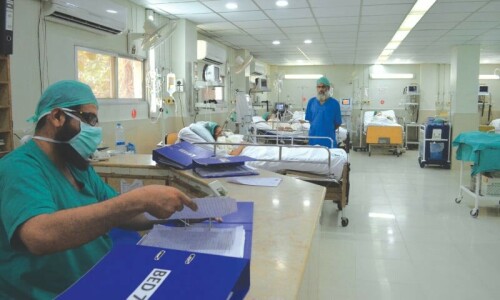
QUETTA: The healthcare sector in Balochistan faced a serious crisis as more than 80 per cent of the population in the province was deprived of primary healthcare facilities despite supposed reforms introduced by the provincial government.
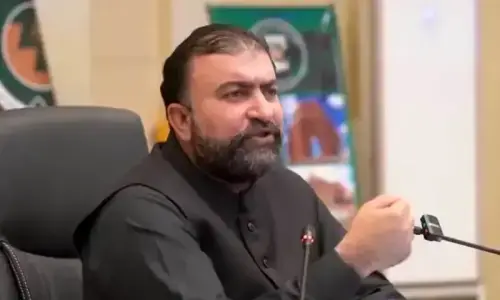
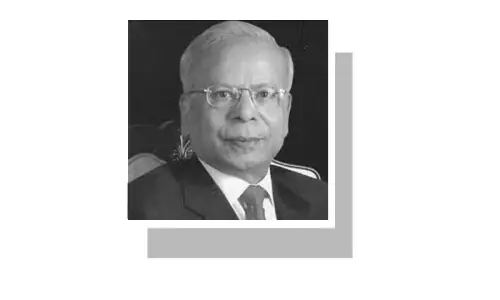
Balochistan Health Secretary Mujeebur Rehman made this statement during a meeting at the Turbat Teaching Hospital on Sunday, which was attended by medical students, doctors, and relevant provincial officials.
“The health sector in Balochistan is facing serious challenges due to the province’s vast geographical spread, difficult access, and limited resources,” Mr Rehman said, adding that despite these challenges, the government was taking steps to improve the healthcare system.
He said “hard decisions” were required to bridge this gap, adding that relaxation in rules and regulations was also necessary in some cases to improve the sector. He claimed more than 15 major reforms and initiatives had been introduced during the past one and a half years. He said the provincial government promoted 600 to 700 medical officers to address the doctors’ shortage, adding that special exemptions were also obtained from the cabinet to overcome administrative hurdles in several issues. He noted human resources remained the biggest challenge, due to which ensuring 24-hour service delivery was a difficult task.
Balochistan health secretary says ‘difficult decisions’ required, advocates ‘relaxation’ in rules
Drawing a comparison with Punjab, he said Punjab’s health department budget was around Rs550 billion while Balochistan’s total development budget was about Rs250 billion to cover all sectors, which made governance a major challenge.
Mr Rehman said the College of Physicians and Surgeons Pakistan (CPSP) was approving seven departments for the teaching hospital, adding that the approval would not only allow specialist training for doctors but would also help in providing improved healthcare facilities to the public.
He further said that digitisation in the health sector was being accelerated and, with the cooperation of Suparco, about 1,500 health centres would be provided with direct satellite connectivity. This would enable telemedicine services, live streaming, and effective monitoring of performance, he added. The secretary said Balochistan faced severe shortages in roads, education and health infrastructure, which directly impacted provincial health indicators.
The secretary also urged the medical professionals to improve their services, saying the true strength of any institution lied in the performance of its workforce. He added that while the government could provide facilities, quality service delivery remained the responsibility of doctors and staff.
Published in Dawn, April 7th, 2026