Global food waste crisis undermines climate and security, says UNEP official
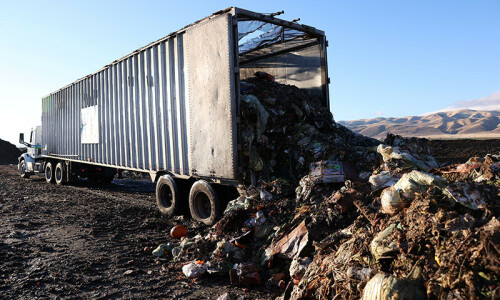
ISLAMABAD: The world wastes food on a staggering scale, as every year over one billion tonnes of edible food — nearly one-fifth of all food available to consumers — is thrown away, impacting both people and the environment, undermining food security and climate resilience, and compromising progress towards a zero-waste, circular future.
The ‘International Day of Zero Waste’ is being observed on Monday (today), focusing on “Food – what we eat, what we waste, and how we can move towards a more circular future”. While hundreds of millions of people face hunger, 13 per cent of food is lost before it reaches retailers, the United Nations Environment Programme (UNEP) said.
In 2022, the world wasted an estimated 1.05 billion tonnes of food across the retail, food service, and household sectors combined. This amounts to 132 kg per capita per year, of which 79 kg per capita was wasted in households.
In a campaign brief, the UNEP said, “Zero waste starts on your plate”, estimating that $1 trillion was the annual cost of food loss and waste to the global economy. Up to 14pc of methane emissions come from food waste alone, largely from rotting organic waste.
Highlights over one billion tonnes of edible items thrown away every year
Speaking at the event, UNEP Executive Director Inger Andersen said the consequences were far-reaching. Food loss and waste generate 8-10pc of global greenhouse gas emissions and are a major source of methane, which is over 80 times more powerful than carbon dioxide in the short term. Reducing these emissions would slow the rate of global warming by mid-century.
According to the United Nations, around 60pc of food waste occurs at the household level, with the remainder coming mostly from food service and retail due to inefficient food systems, including production, distribution, and consumption. Tackling this issue requires redesigning these systems and transitioning towards a more sustainable, circular approach grounded in efficiency and resilience.
For this transition to succeed, the UN says governments can advance food waste prevention through climate and biodiversity plans and national policies on circularity, waste, food systems, agriculture, and urban development, while promoting effective measures and monitoring.
Businesses can set measurable food waste reduction targets, integrate them into sustainability commitments, and innovate to improve efficiency across supply chains.
‘Waste need not rot’
Speaking at the campaign brief, the UNEP executive director called for consumer behaviour change campaigns and food literacy programmes in schools, alongside retail and hospitality engagement through discounting products approaching expiry dates, improved stock management, and zero-waste dining offers.
She also highlighted the need for date-label reform to reduce confusion between “best before” and “use by” labels, as well as digital tools to help businesses forecast demand and optimise inventory.
“Organic waste represents between 30pc and 50pc of municipal waste, and in some countries up to 60pc,” Ms Andersen said.
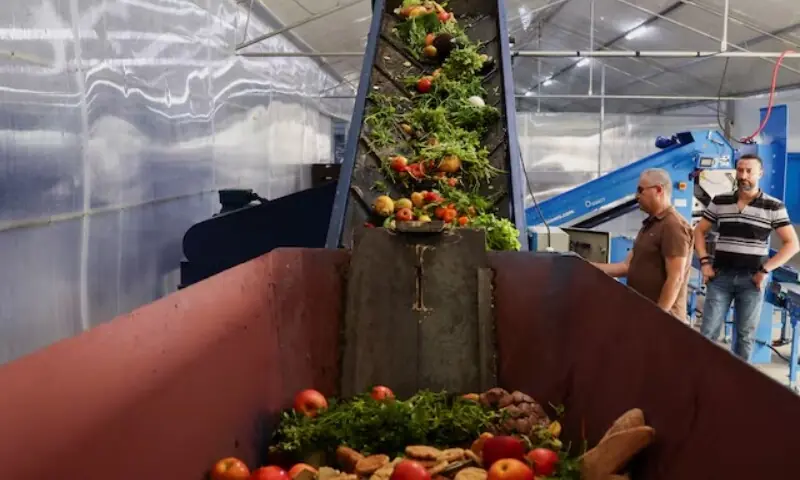
However, she added that this waste need not rot, pointing out that it was a vital source of carbon and nutrients that fuelled microbial activity and restored soil health.
“Once treated and composted, this organic waste can be fed back into the food system, boosting degraded soils and reducing farmers’ dependency on fertilisers, the price and availability of which are affected by global shocks, as seen with disruptions around the Strait of Hormuz, through which one-third of seaborne fertiliser trade passes, threatening access for some of the most vulnerable countries,” she elaborated.
Published in Dawn, March 30th, 2026