Senate body defers metro bus bill due to confusion over legislation


 0
0
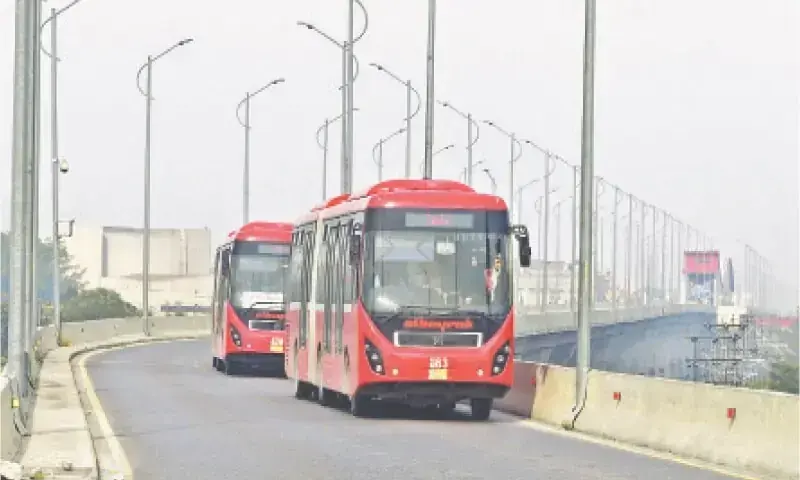

ISLAMABAD: The Capital Development Authority (CDA) on Thursday opposed an apparently misunderstood legislative proposal that actually seeks to empower it.
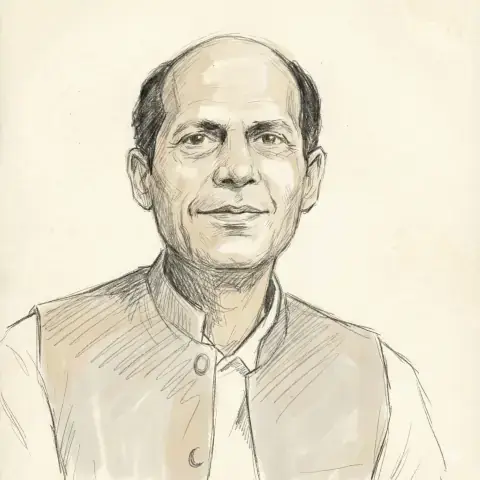
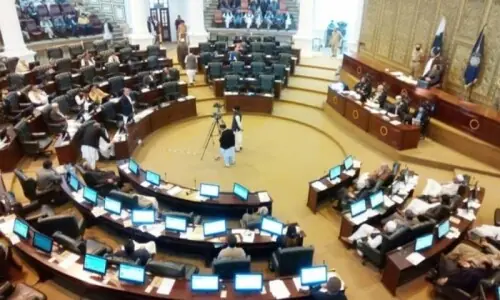
As the Senate Standing Committee on Interior considered the “Islamabad Metro Bus Service Bill 2026”, moved by Senator Sarmad Ali, the CDA opposed it on the ground that it already had an independent and dedicated wing to manage public transport services in Islamabad and, therefore, a separate regulatory authority may not be required.
Senator Ali tried to explain that his bill does not seek establishment of a separate authority and was, in fact, meant to legally empower the CDA, but to no avail.
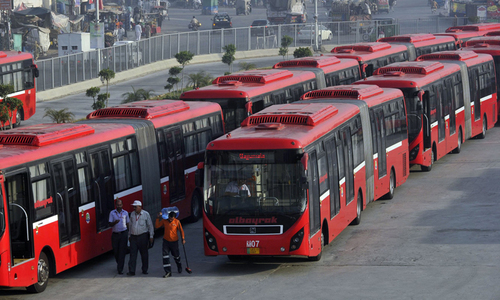
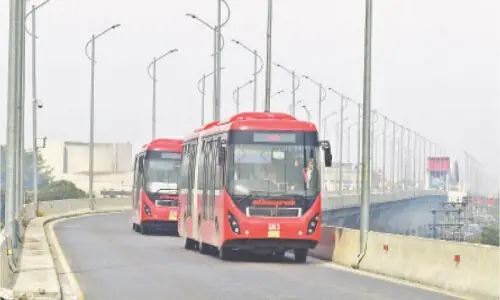
The Bill aims to provide a comprehensive legislative framework for the operation, maintenance, and expansion of the Metro Bus System in the Islamabad to ensure continuity, financial transparency and efficient service delivery, and to advance social welfare and equitable access to public transport by guaranteeing free travel for children under 12, students enrolled in recognised educational institutions and senior citizens aged 60 or above.
Mover tries to explain that his bill was meant to legally empower the civic agency, but to no avail
The statement of objects and reasons explains that the Metro Bus Service in Islamabad currently runs under administrative arrangements without a specific legal statute governing its management, financing and operation. It recommends granting clear legal authority to the CDA for planning, operating and maintaining the Metro Bus System to ensure continuity, financial transparency and efficient service delivery.
The Ministry of Interior and CDA assured the committee that any constructive suggestions for improvement would be welcomed. The Ministry of Law and Justice informed the committee that discussions were already underway regarding either amending the existing legal framework or developing a new one.
After deliberations, the Chairman of the committee Faisal Saleem Rehman deferred further discussion and directed the mover, CDA, the Ministry of Interior and the Ministry of Law and Justice to hold consultations and reach a consensus, the outcome of which will be presented in the next meeting.
Interestingly, the bill came under discussion during the last three meetings as well and was not opposed by the CDA. During consideration of “The Islamabad Real Estate (Regulation and Development) (Amendment) Bill, 2026,” moved by Senator Mohsin Aziz of PTI, members raised concerns over delays despite the bill having been passed by both Houses of parliament.
The minister of state for interior informed the committee that the government was reviewing the matter to avoid any overlapping among relevant laws and that a meeting under the chairmanship of the minister for law and justice had been scheduled to deliberate on the issue. The chairman of the committee directed the Ministry of Interior to resolve the matter at the earliest and deferred further discussion.
“Certain procedural ambiguities in the Act may give rise to uncertainties, particularly in circumstances where the office of the mayor of Islamabad falls vacant or the secretary of the relevant ministry is unable to attend or participate in meetings of the selection committee.
Such situations, if not addressed, could potentially be used to challenge the validity of decisions taken by the selection committee, thereby hampering the effective functioning of the regulatory framework and delaying developmental and regulatory initiatives in the capital territory”, the statement of objects and reasons of the bill reads.
The proposed amendments seek to clarify and strengthen the law by ensuring that where the local government is dissolved and the office of the mayor remains vacant, the selection committee may continue to function with its remaining members without any risk of invalidity in the absence of any member, including the mayor or the secretary of the ministry concerned.
The committee also took up matters related to the Parliament Lodges. Members expressed serious concerns over security arrangements, hygiene conditions, lack of basic janitorial services and the absence of adequate support staff, noting that the lodges are in a dilapidated state.
The members also emphasised the need to remove illegal occupants and strengthen security measures. The committee questioned the lack of maintenance despite substantial budgetary allocations. CDA officials briefed the committee on the existing challenges and possible solutions.
The committee was informed that the construction of new Parliament Lodges is on schedule and expected to be completed by July 2026. The chairman of the committee directed the CDA to submit a detailed report, along with recommendations in the next meeting regarding the maintenance and security of the Parliament Lodges.
He recommended strict action against defaulters and illegal occupants of the MNAs’ Hostel and Parliament Lodges
The committee also received a briefing on the issue of tinted vehicle glasses. Officials informed the committee that the ban on tinted glasses was imposed due to its misuse. The chairman recommended introducing a fee-based mechanism for tinted glasses and suggested that parliamentarians and diplomats be exempted from the ban.
The committee was also informed that the arms licence policy is currently under review by the federal cabinet and a decision will be announced soon.
A briefing was also given by Khyber Pakhtunkhwa police regarding the law and order situation in Mardan.
Officials informed the committee that the police were conducting successful counter-terrorism operations against TTP-associated groups, anti-narcotics operations, particularly against the trafficking of ice and strict action against criminal elements involved in murder and other serious crimes.
The police were increasingly utilising modern technology, including surveillance drones, in counter-terrorism operations. The members suggested enhanced inter-provincial collaboration for technological advancement and innovation.
Published in Dawn, March 27th, 2026