India worried over growing use of cheap weight loss drugs
NEW DELHI: India’s health ministry has warned of the risks of unregulated use of weight-loss drugs, as low-cost generic versions hit the market, stepping up inspections and enforcement across the pharmaceutical supply chain.
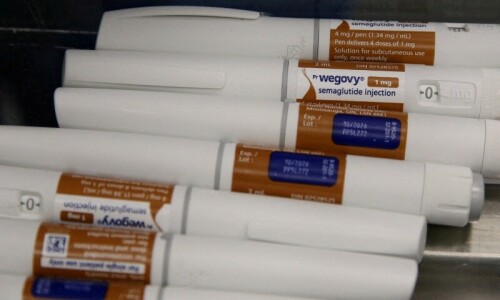
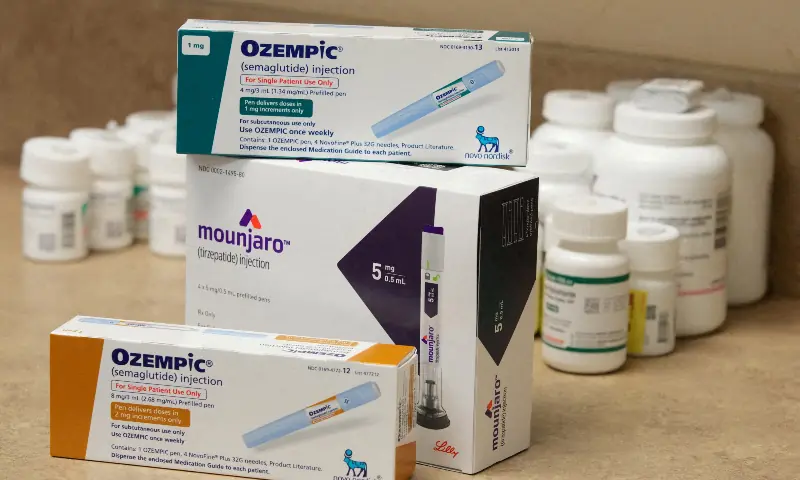
The warning comes after patents on semaglutide, the active ingredient in drugs such as Ozempic and Wegovy, expired in India on March 20.
Generic versions of the GLP-1 drugs — referring to the hormone that regulates blood glucose levels and appetite — will slash costs and transform the global fight against obesity. But India’s health ministry stressed on Tuesday that the drugs can only be used with a doctor’s prescription.
“With the recent introduction of multiple generic variants of GLP-1, concerns have emerged regarding their on-demand availability through retail pharmacies, online platforms, wholesalers, and wellness clinics,” the ministry said in a statement.
“These drugs, when used without proper medical supervision, may lead to serious adverse effects and related health risks.”
It said the Drugs Controller of India had “intensified its regulatory surveillance”, including barring manufacturers from any “indirect promotion that could mislead consumers or encourage off-label usage”.
Simon Barquera, president of the World Obesity Federation, said the “medication alone will not reverse the global rise in obesity”. “Obesity is a complex, chronic disease,” he said, noting the importance of prevention efforts and healthier habits.
India’s weight loss drug sales have grown tenfold in five years to $153 million this year, and are projected to soar to over half a billion dollars by 2030. While the country still accounts for a third of the world’s undernutrition according to the World Health Organisation (WHO), rising incomes and urban lifestyles have pushed obesity rates sharply upward.
Government data released in March last year shows 24 per cent of women and 23 per cent of men are overweight or obese in India. Still, high prices — often 15,000 to 22,000 rupees ($161-$236) a month — have limited greater adoption.
Since the expiry of the patent, several Indian drug makers have rolled out generic semaglutide products, with monthly injections costing anywhere between 1,300 rupees and 4,200 rupees ($15-$45).
Published in Dawn, March 25th, 2026