WORLD Tuberculosis Day is meant to remind governments that one of humanity’s oldest diseases remains among its deadliest. Despite decades of medical progress, TB continues to infect millions each year. The WHO’s Global Tuberculosis Report 2025 estimates that 10.7m people developed TB in 2024and about 1.23m died, making it the leading cause of death from a single infectious agent worldwide. While Covid-19 once dominated global attention, TB has quietly continued to kill on a far larger scale. The burden of the disease is heavily concentrated. Eight countries account for roughly two-thirds of global TB cases: India, Indonesia, the Philippines, China, Pakistan, Nigeria, DR Congo and Bangladesh. Without sustained progress in these countries, global elimination targets will remain elusive.
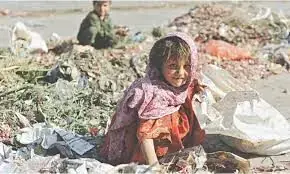
Pakistan accounts for about 6.3pc of global TB cases, making it a major contributor to the epidemic. The disease thrives where poverty, overcrowded housing and malnutrition persist, highlighting the social conditions that continue to drive transmission. The data also reveal important demographic patterns: 54pc of TB cases occur among men, 35pc among women and 11pc among children. The figures reflect the social drivers of TB, with men often facing exposure in crowded workplaces, while women and children become vulnerable within poorly ventilated and overcrowded homes. These factors resonate strongly in Pakistan’s cities. Drug-resistant TB presents another challenge. In 2024, about 390,000 people developed rifampicin-resistant TB worldwide, yet only 42pc received treatment. Interrupted treatment and weak health systems allow such strains to spread. Beyond its medical toll, TB imposes severe financial hardship: around half of TB-affected households face costs exceeding 20pc of annual income. With global TB funding at $5.9bn — far below the $22bn needed by 2027 — and donor cuts looming, progress remains fragile. Promisingly, 18 TB vaccines are under development, six in Phase III trials. Scientific advances may help, but without stronger political commitment and action on poverty, the disease will persist.
Published in Dawn, March 24th, 2026