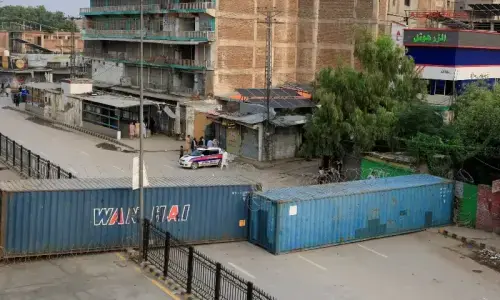
KARACHI’S severe overnight storm once again exposed how fragile the city’s infrastructure is. Though the rainfall totals were not extraordinary by monsoon standards, the sudden squall that swept across the metropolis proved enough to uproot trees, damage property and, tragically, claim at least 20 lives. Such episodes prompt serious reflection: a megacity of over 20m people cannot remain so vulnerable to weather events that are neither unprecedented nor unforeseeable. Such squalls and thunderstorms are not alien to Karachi’s climate. Seasonal transitions often bring strong winds and brief but intense downpours, particularly when western weather systems interact with local atmospheric conditions. What has changed, however, is the frequency and intensity with which such events are occurring as the climate warms. Cities everywhere are already preparing for a future marked by more erratic weather patterns. Karachi must do the same.
The damage witnessed during the latest storm reveals how poorly the city is equipped to withstand even short bursts of extreme weather. Weak structures, poorly maintained buildings, unsecured billboards and fragile power infrastructure all contribute to the toll when strong winds strike. The uprooting of trees and collapse of walls are not merely acts of nature. They are symptoms of neglect, weak enforcement of building standards and the absence of sustained urban planning. Preparing for a changing climate requires far more than reactive clean-up operations after each storm. Karachi needs an integrated strategy that prioritises resilient infrastructure, strict building codes and regular safety audits of vulnerable structures. Storm-water drainage must be upgraded, overhead wiring secured and emergency response systems strengthened to protect residents when sudden weather events occur. Climate change will continue to test the resilience of coastal cities like Karachi. The question is not whether such storms will occur again, but whether the city will remain as exposed when they do. A modern metropolis should be able to weather a sudden squall without tragedy.
Published in Dawn, March 20th, 2026