0
0

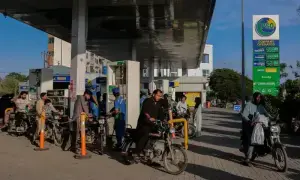
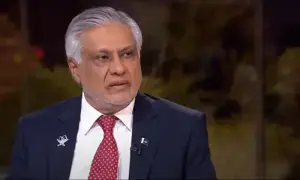
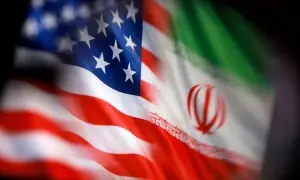
PAKISTAN is confronting an external shock stemming from the US-Israel war on Iran that few of the other affected economies feel as acutely; it is one that none would wish upon themselves. The conflict has destabilised the Middle East, disrupting energy supply chains and sharply driving up global oil and gas prices. For a country dependent on energy imports and remittance flows from the region, the repercussions of confrontation are both immediate and severe. The finance minister’s briefing to a Senate panel reflects the seriousness of the crisis. LNG cargoes that cost around $25m only weeks ago are now reportedly exceeding $100m after Qatar declared force majeure following a production shutdown. Oil prices are also fluctuating sharply, forcing the government to continually reassess the potential impact on the budget, inflation, revenues, the current account and remittance flows if the conflict drags on, even as it passes on higher energy costs to consumers.
This shock arrives at a particularly delicate moment in the nation’s economic trajectory. It has put the little macroeconomic stability achieved over the last couple of years at risk. Meagre foreign exchange reserves could come under renewed pressure, while both the current account and fiscal deficits may widen if the crisis persists. Such an eventuality will expose the fragility of the hard-earned recovery over the last couple of years. This is not surprising given the weak foundations of this stability, which was achieved at a steep social and economic cost. Growth remains anaemic and household purchasing power has diminished under inflation and repeated energy price adjustments. The improved external position stems largely from strong remittance inflows and debt rollovers. For most, stabilisation has meant economic stagnation rather than recovery. This has averted another balance-of-payments crisis, but it does not represent durable structural strength. Still missing are the deeper governance, policy and productivity reforms needed to transform the economy. Expectations of large-scale investment and financial help from some Gulf states and China giving momentum to growth and infrastructure expansion have not yet materialised. The government’s immediate choices are limited. It cannot influence global energy markets or the trajectory of the conflict. What it can do is manage the domestic fallout in a way that protects macroeconomic stability while shielding vulnerable groups from its impact as much as it can.
Published in Dawn, March 14th, 2026