Pakistan backs Bahrain, Russia draft resolutions at UNSC, urges de-escalation


WASHINGTON: Pakistan has outlined the rationale behind its votes on two competing draft resolutions at the United Nations Security Council, stating that both were aimed at curbing regional escalation and promoting an immediate return to dialogue.
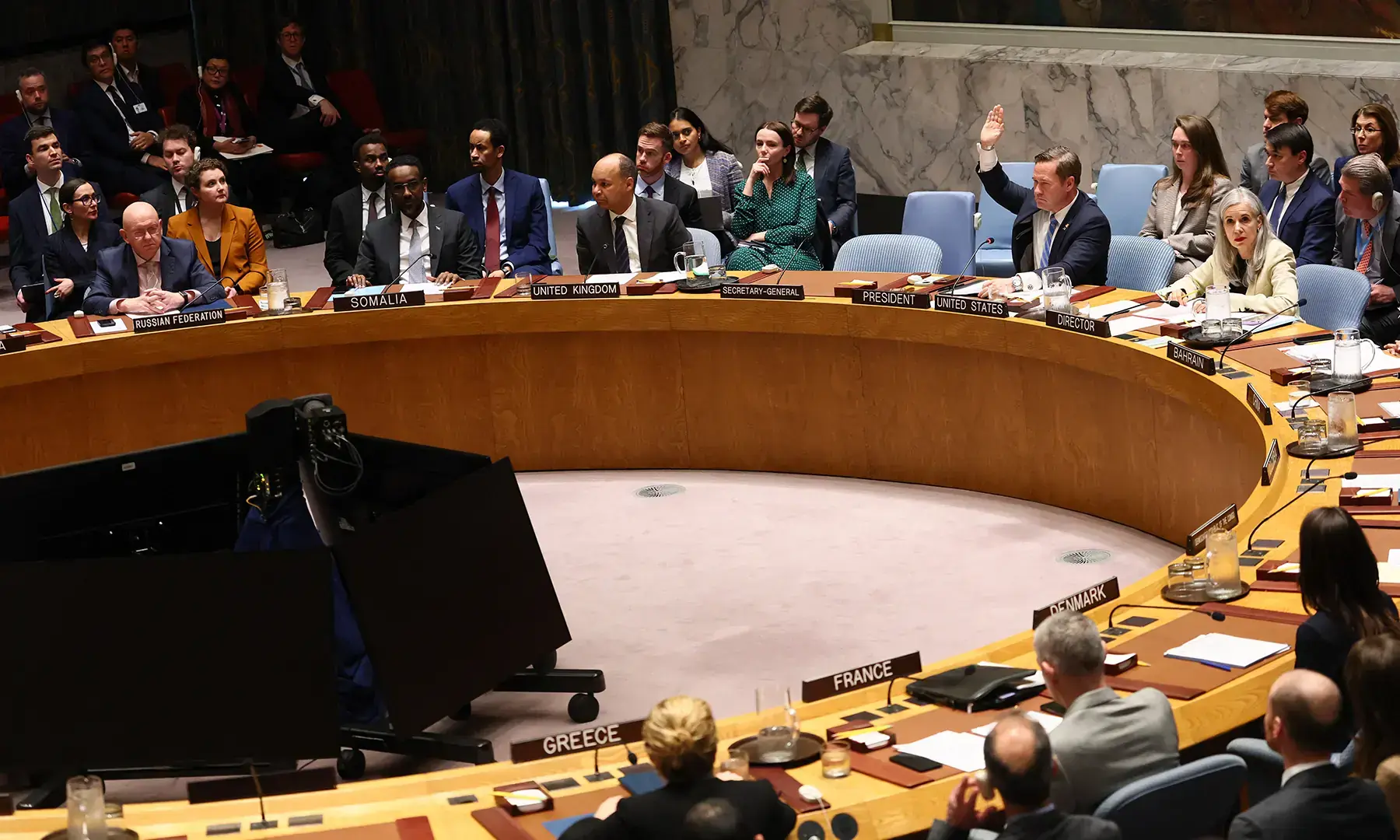
On March 11, the Security Council adopted a Bahrain-led resolution condemning recent missile and drone attacks by the Islamic Republic of Iran on several Gulf states — including Bahrain, Kuwait, Oman, Qatar, Saudi Arabia, the United Arab Emirates, and Jordan — and demanding an immediate cessation of all such attacks.
Russia also presented a draft resolution on the military escalation in the Middle East at the meeting, but it was vetoed by the US. The resolution received four votes in favour — from Russia, China, Somalia, and Pakistan — while the United States and Latvia voted against it. Nine members abstained
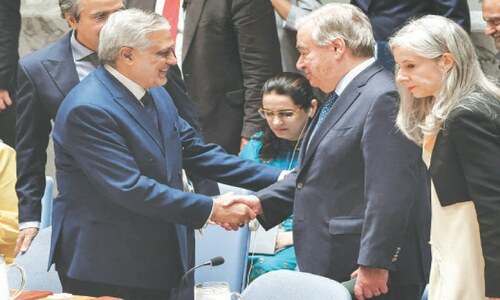
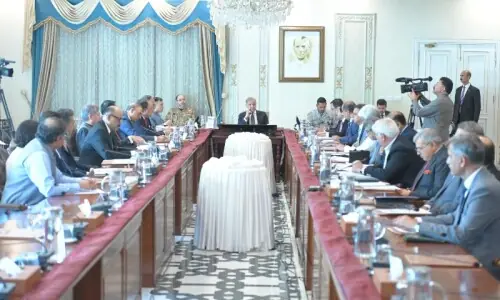
Explaining Pakistan’s vote at a Security Council meeting on the “Situation in the Middle East,” Ambassador Asim Iftikhar Ahmad, Pakistan’s Permanent Representative to the UN, said Islamabad supported resolutions introduced by both Bahrain and the Russian Federation because each addressed urgent aspects of the crisis.
“The consequences of the conflict we are witnessing right now are clear — everyone is impacted,” he said, warning that violations of international law threaten peace and calling for an “immediate and complete cessation of hostilities” alongside a return to dialogue.
Describing the Gulf states as having supported dialogue and diplomatic engagement during heightened tensions before the conflict erupted, he said they “should not have had to face the worst consequences of war,” adding that Pakistan stood in “complete solidarity” with their governments and peoples.
He also expressed regret that the Council could not unite behind a comprehensive response to end the conflict, but emphasised the importance of acting in light of “genuine concerns” arising from the deteriorating situation.
Pakistan’s vote in favor of the Bahrain-drafted resolution, he said, reflected its “strong solidarity” with Bahrain, Kuwait, Oman, Qatar, Saudi Arabia, the United Arab Emirates, and Jordan. He condemned what he described as unwarranted attacks on these countries, particularly those targeting civilians, civilian infrastructure, and critical facilities.
Ambassador Ahmad reiterated Pakistan’s “complete support” for the sovereignty, territorial integrity, and political independence of these states, expressing hope that attacks on their territories would cease immediately. He also stressed that navigational rights and freedoms in the Strait of Hormuz must not be undermined.
At the same time, Pakistan also voted in favor of the draft resolution tabled by the Russian Federation, which, Ambassador Ahmad noted, was framed within the UN Charter and focused on urging parties to halt military activities, avoid further escalation, and return to negotiations.
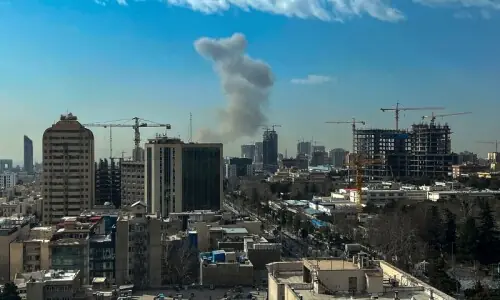
Referring to the “initiation of unwarranted attacks” on Iran on February 28 — which Pakistan had condemned earlier — Ambassador Ahmad said the developments had “seriously jeopardised international peace and security” and embroiled the entire region. As a neighboring country, Pakistan supported Iran’s sovereignty and territorial integrity and expressed deep concern over instability there.
The ambassador also highlighted the human and economic impact of the conflict on Pakistan. At least two Pakistani nationals were killed in attacks on the United Arab Emirates, he said, while millions of Pakistanis residing in Gulf countries remained at risk.
Fuel supplies to Pakistan had been seriously disrupted, compelling the government to adopt extraordinary measures to conserve oil, gas, and electricity, he added. Several essential aviation links had been severed, and others were facing disruptions.
Calling for an immediate end to missile and drone strikes on schools, residential areas, oil and port facilities, desalination plants, and other civilian infrastructure, Ambassador Ahmad expressed condolences over the loss of civilian lives, including schoolchildren killed in an elementary school in Minab.
He underscored that any use of force outside the bounds of the UN Charter was unlawful and condemnable and urged all parties to strictly comply with international humanitarian law.
Pakistan, he said, supports mediation efforts by various countries and has remained in close contact with regional partners to play a constructive role.
Concluding his statement, the ambassador reiterated Islamabad’s call for all sides to de-escalate, exercise maximum restraint, and urgently resume diplomacy to secure a negotiated and lasting resolution to the crisis.