High interest rate to hit economy in war times, warn businesses


 0
0
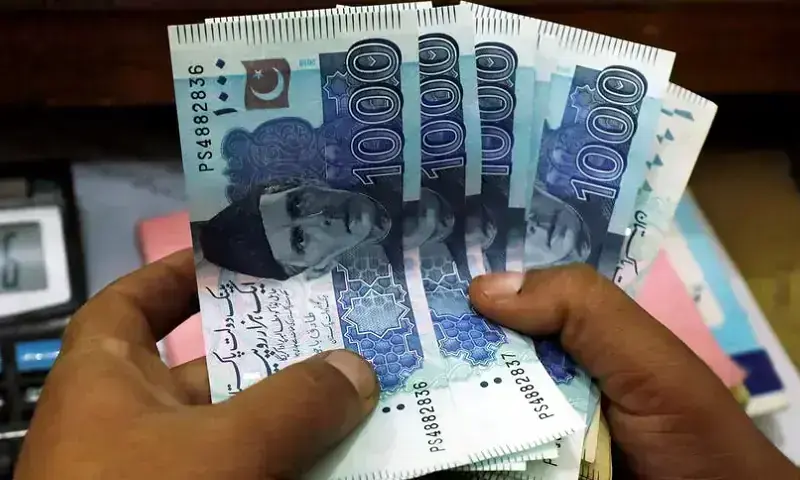

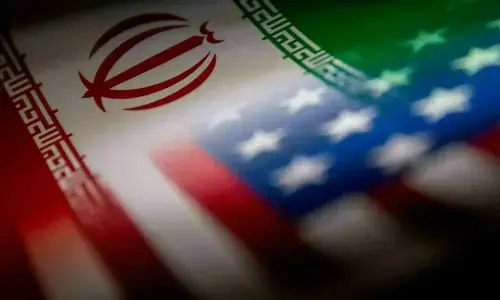
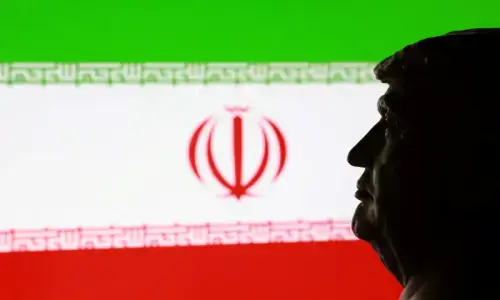
KARACHI: While already under strain from high power and gas tariffs and the negative impact of the US-Iran conflict on trade, businessmen have expressed further disappointment over the State Bank’s decision to keep the interest rate at 10.5 per cent, claiming it will not assist in reviving industrial and export activities and will discourage investors.
However, Overseas Investors Chambers of Commerce and Industry (OICCI) Secretary General M. Abdul Aleem told Dawn that “actually it is a positive surprise as we were anticipating an increase due to ongoing war-type conditions in the region.”
But this decision reflects the SBP monetary policy committee’s confidence that Pakistan can sustain ongoing economic challenges without causing much hardship to economic stakeholders, he said, adding that “all in all, it is a good decision.”
Site Association of Industry President Abdul Rehman Fudda said that a 10.5pc interest rate would further strain industrial activities and exports.
Leaders say affordable financing is critical for industrial survival
The business community hoped for a reduction in the policy rate to ease financial pressure on manufacturers. However, maintaining a relatively high interest rate, he said, would make borrowing costly for businesses and discourage investment in the industrial sector.
He noted that industries were already grappling with rising production costs due to expensive electricity and gas, leaving little scope for expansion. “Under these circumstances, keeping borrowing costs high makes it even more difficult for industries to expand operations or increase output,” he said.
Mr Fudda noted that the SBP officials had acknowledged a decline in exports alongside an increase in imports, which he described as an indication of slowing economic activity. Given the circumstances, he mentioned that a reduction of at least 100-150 basis points in the policy rate would have provided some relief to the business community and encouraged investment.
He noted that lowering the policy rate to single digits could have assisted exporters in securing cheaper finance from banks, allowing them to expand production and compete more effectively in global markets. Such a measure, he argued, would also promote economic growth by increasing industrial output and exports.
Federation of Pakistan Chambers of Commerce and Industry (FPCCI) President Atif Ikram Sheikh has strongly urged the government to declare an immediate energy emergency and to implement dependable contingency measures. This is vital to protect Pakistan’s delicate economic recovery and its exports from the serious repercussions of the ongoing conflict in the Middle East.
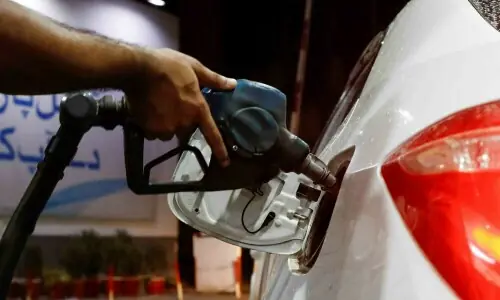
He deplored the combined burden of regionally uncompetitive petroleum prices, already increased by an exorbitant Rs55 per litre, and punishingly high interest rates that will drive Pakistan’s business costs to unsustainable levels. This will effectively cripple industrial growth and further worsen the country’s export slowdown.
He emphasised that while regional competitors maintain accommodative, single-digit monetary policies and rationalise their petroleum prices to bolster their manufacturing sectors, Pakistan will suffer from high borrowing costs that hinder capital investment and modernisation — alongside ongoing increases in petroleum levies that directly raise logistical, transportation, and captive power generation expenses — leaving manufacturers with significantly reduced profit margins.
Published in Dawn, March 10th, 2026