How US-Iran tensions could shape world markets


 0
0

The United States and Israel launched strikes on Iran on Saturday, targeting its leadership and plunging the Middle East into a new conflict that President Donald Trump said would end a security threat and give Iranians a chance to topple their rulers.
The strikes put nearby oil-producing Gulf Arab countries on edge as fears of escalation grew, and Tehran responded by launching missiles towards Israel.
Here’s how the conflict could play out across world markets.
Oil spike
Oil is the main barometer of Middle East tension.
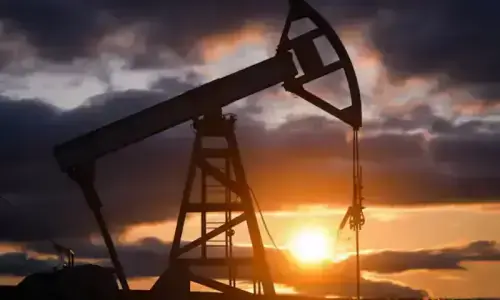
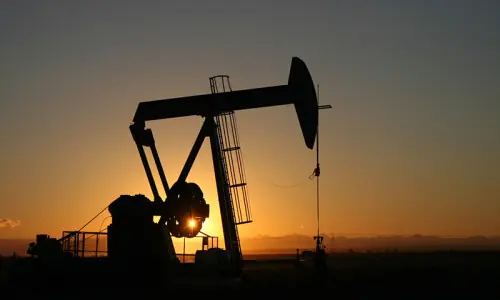
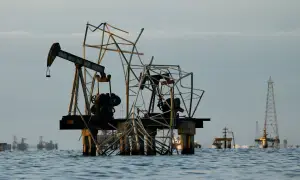
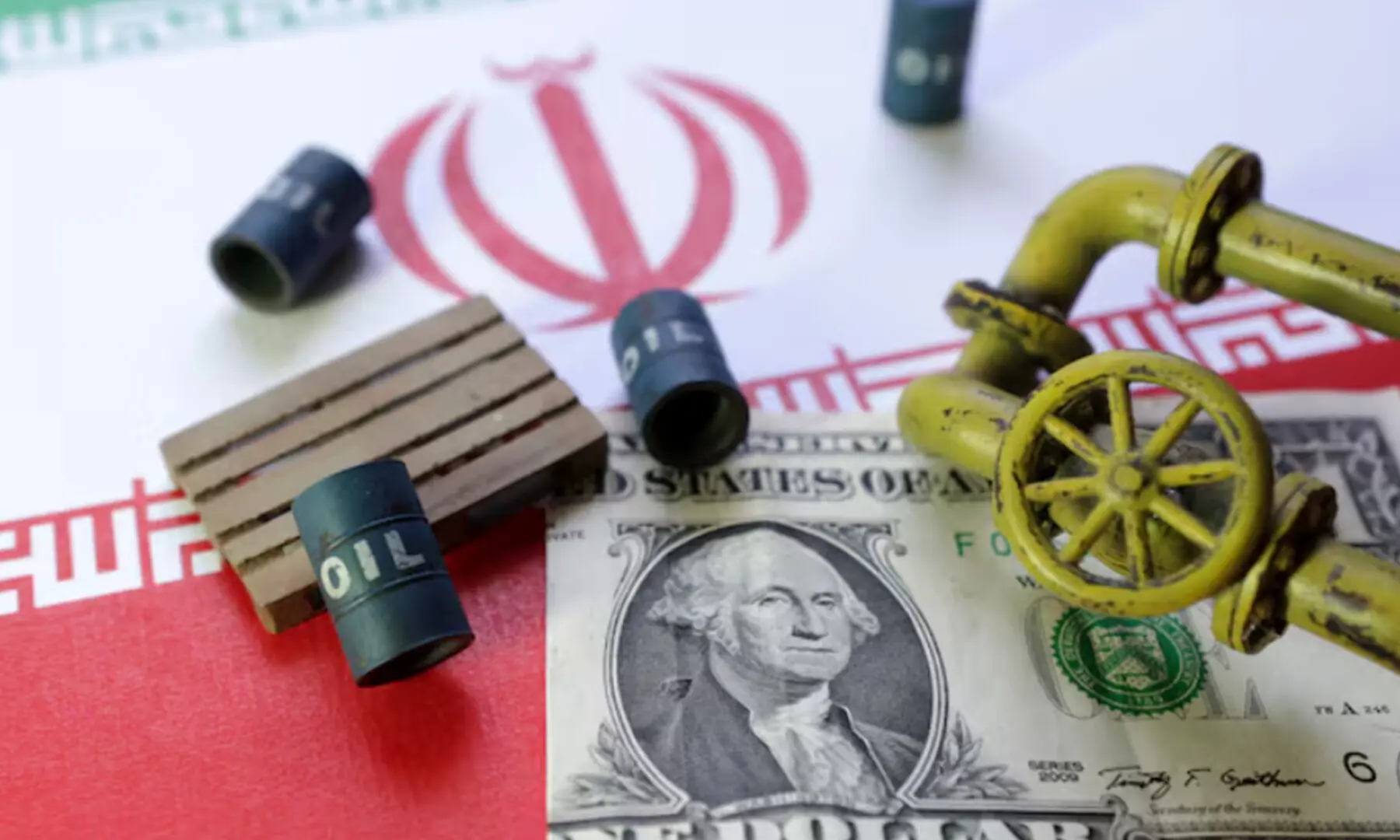
Iran is a major producer and lies opposite the oil-rich Arabian Peninsula across the Strait of Hormuz, through which about 20 per cent of global oil supply passes. Conflict could limit oil entering the global market and push up prices.
Brent crude traded on Friday around $73 a barrel, already up by a fifth this year.
Some oil majors and top trading houses suspended crude oil and fuel shipments via the Strait of Hormuz because of the attacks, four trading sources said on Saturday.
William Jackson, chief emerging markets economist at Capital Economics, said that even if the conflict was contained, Brent might rise to about $80, which was the peak during the 12-day war in Iran last June.
A prolonged conflict affecting supply could cause oil prices to jump to around $100, potentially adding 0.6-0.7 percentage points to global inflation, he said in a note.
Wild swings, everywhere
The conflict is likely to exacerbate volatility across global markets, which have already swung wildly this year owing to Trump’s tariffs and a sharp tech selloff.
The VIX volatility index has risen by a third this year, and implied US bond volatility is up 15 per cent.
Currency markets are unlikely to be immune, analysts say.
The dollar index fell by around 1pc during the June war, CBA notes. But that fall was short-lived and unwound after three or four days.
“In current circumstances, the size of the fall will depend on how large and how long-lasting the conflict is expected to be,” CBA analysts said in a note a week ago.
“If the conflict was long-lasting and disrupted oil supplies, we expect the US dollar would lift against most currencies except the Japanese yen and Swiss franc. The US is a net energy exporter and so benefits from higher oil and gas prices that would result from a disrupted oil supply.”
Israel’s shekel will almost certainly be another mover — Iran quickly retaliated against Israel on Saturday.
It dropped 5pc at the start of the June war and also reacted after Israel struck Iran’s Damascus consulate in April 2024 and when Iran launched missiles at Israel that October.
All episodes were short-lived and followed by quick shekel rebounds. However, JPMorgan said it could be different this time if the conflict and a rise in market risk premia proved more persistent.
“This would especially be the case if confrontation with Iran also triggers more intensive operations against Iran’s proxies,” the Wall Street bank said.
Safe havens do their thing
The Swiss franc, widely regarded as a safe haven in times of turmoil, is expected to face further upward pressure, creating a headache for the Swiss National Bank. It is up 3pc this year against the US dollar.
Investors could also make another dash for gold, which has had a record run and is up 22pc so far in 2026, and into silver, which has also been on a roll.
The conflict could also add to demand for US Treasuries, whose yields have been falling in the past few weeks.
The outlier has been Bitcoin, no longer seen as a haven. It fell 2pc on Saturday and has shed more than a quarter of its value in two months.
Watch Middle East markets
Trading in bourses in the Middle East on Sunday, including Saudi Arabia and Qatar, will provide an initial indicator of investor sentiment. While these markets are highly correlated to oil prices, an escalating conflict could ripple through the economies.
“I suspect markets will be down if these hostilities continue through the day,” said Ryan Lemand, chief executive officer and co-founder of Neovision Wealth Management. Depending on the scale of the conflict, Gulf equities could drop by 3-5pc, he said.
Saudi Arabia’s benchmark stock index dropped 1.3pc in five days through Thursday, its second consecutive week of declines. Dubai’s main market, which reopens on Monday, fell in the last two weeks.
Airline and defence stocks
Global airlines cancelled flights across the Middle East on Saturday, and their stocks could be under pressure if the conflict spreads and forces more airspace closures.
European weapons makers, up 10pc this year, could see more demand.