LAHORE: A research paper compiled by the eminent economic and financial experts has urged the State Bank of Pakistan (SBP) to provide regular inflation outlooks, signaling clearly that monetary easing may pause or reverse if inflation risks re-emerge.
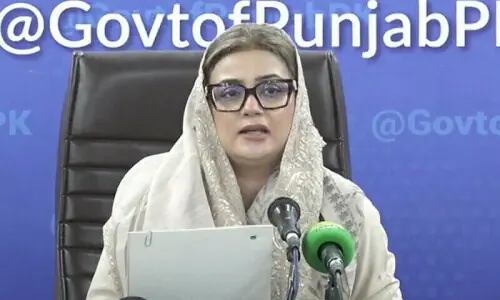
The paper titled “Impact on Pakistan’s economic growth by lowering interest rate” has been compiled by the group of experts, led by Mr Zafar Masud, Pakistan Banks Association (PBA) chairman. It included Dr Aneel Salman, Sheraz Ahmad Chaudhry and Sayem Ali.
The research paper examines the potential impact of lowering Pakistan’s policy interest rate on economic growth within the post-stabilisation context of 2024-26. Using recent macroeconomic data and Pakistan-specific monetary transmission evidence, the study analyses how interest rate easing affects GDP growth, inflation, private investment, employment, fiscal dynamics and external balance.
The findings indicate that a gradual, data-dependent reduction in the policy rate can support higher economic growth by stimulating private consumption and investment, particularly in credit-sensitive industrial sectors, while easing fiscal debt-servicing pressures. However, the relationship between policy rates and inflation is positive but lagged, and excessive or premature easing risks reigniting inflation, weakening the exchange rate and undermining external stability.
Experts say monetary easing may keep inflation in check in future
Sectoral analysis shows that industry is most responsive to monetary easing, services respond moderately with lags, and agriculture remains largely insensitive to interest rate changes. Monetary easing can raise Pakistan’s growth toward its potential without destabilising macroeconomic conditions whereas aggressive front-loaded cuts pose significant stability risks. Crucially, however, the authorities must remain ready to adjust course if needed, monetary easing is a tool, not a goal in itself. The ultimate goal is sustainable, inclusive economic growth with low inflation. The recommended path forward is to proceed with cautious optimism: implement a gradual easing of monetary policy in tandem with disciplined fiscal management and vigilant monitoring of inflation and external metrics. The research recommends to the SBP to cut rates in small, data-dependent steps, contingent on inflation remaining within 5–7% and continued improvement in external buffers while keeping real rates modestly positive.
“The core inflation should guide operational policy decisions, while headline inflation remains the primary communication benchmark to manage expectations and transparency,” it reads, urging the central bank to maintain timely IMF and multilateral inflows, encourage foreign direct investment, closely monitor trade flows during easing and build reserves when conditions permit.The research wants central bank to use interest savings to reduce deficits or fund productivity-enhancing investment, avoid populist subsidies and preserve a primary surplus. There is a need to complement rate cuts with well-targeted, time-bound refinance schemes for SMEs and priority sectors, while gradually deepening capital markets and credit information systems.
It states that lowering of Pakistan’s interest rate, done in a calibrated manner, is expected to have a positive impact on economic growth, supporting higher output and employment. The monetary transmission channels will ensure cheaper financing flows to businesses and consumers, thereby 29 stimulating demand. The study concludes that the country’s optimal monetary stance is a gradual, data-dependent easing toward a modestly positive forward-looking real policy rate, calibrated to keep inflation expectations anchored while supporting recovery in credit and investment.
“The SBP should operationalise a dual inflation framework in which core inflation guides policy decisions, while headline inflation remains the primary benchmark for communication and accountability. Growth can and should be supported by lower rates, but only within a clearly defined balance-of-payments ceiling that is reviewed annually and adjusted when external conditions materially change,” it argues.
It mentions that monetary easing, therefore, must proceed in tandem with continued reserve accumulation, stable capital inflows, and IMF-aligned macro discipline. At the same time, rate cuts alone are insufficient to lift potential growth; they must be sequenced with structural reforms to lower investment risk and improve productivity.
“If these elements are implemented together, Pakistan can achieve higher, more durable growth without sacrificing price or external stability,” it concludes.
Published in Dawn, February 28th, 2026