Burden of electricity tariff revisions ‘should not fall’ on middle, lower income households: IMF


 0
0

The International Monetary Fund (IMF) is discussing proposed electricity tariff revisions with Pakistan authorities, the fund said in a statement to Reuters on Saturday, adding that the burden of the revisions should not fall on middle- or lower-income households.
“The ongoing discussions with the authorities will assess whether the proposed tariff revisions are consistent with these commitments and evaluate their potential impact on macroeconomic stability, including inflation,” it said in its statement.
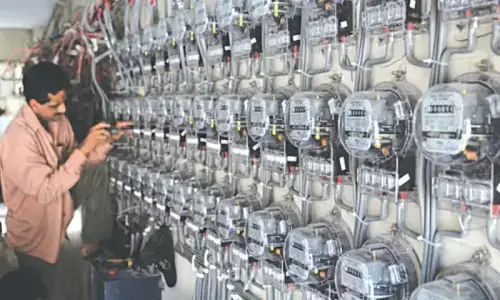
Pakistan announced a proposed tariff overhaul, which analysts said would lift inflation while easing pressure on industry, as it seeks to meet conditions under its $7 billion Extended Fund Facility (EFF) as another review of the program approaches.
The EFF is a longer-term IMF loan programme designed to help countries address deep-seated economic weaknesses and medium-term balance-of-payments problems.
Electricity carries significant weight in Pakistan’s consumer price index, making tariff adjustments highly sensitive at a time when inflation, though sharply lower than its near-40% peak in 2023, remains a key political and economic pressure point.
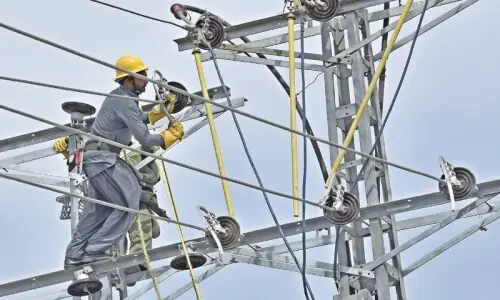
Pakistan’s power sector has long been weighed down by circular debt, a chain of unpaid bills and subsidies that builds up across generation companies, distributors and the government, prompting repeated tariff increases under IMF-backed reforms since 2023.
The accumulation of power sector circular debt has been contained within programme targets, supported by improved performance on recoveries and loss prevention, the Fund added.