
THE recently concluded World Interfaith Harmony Week invites us to revisit the idea of living together in difference. Pakistan’s social fabric has always been comprised of myriad beliefs, languages and traditions — whether in Karachi’s older neighbourhoods, pre-partition Lahore, or Peshawar’s inner city, where people cohabited streets, bazaars and neighbourhoods harmoniously. At home, we spoke different languages and marked different days on the calendar. This depended on something simple but germane: what one believed was personal; where they belonged was shared. This quiet arrangement allowed difference to flourish, without turning it into a fraught question.
Take Sindh, where, for centuries, traditions of coexistence have been a part of social life in spaces built to accommodate difference. A mosque and temple exist together at Udero Lal Shrine. The shrine is maintained by custodians from various communities with different practices and prayer times. Custom and collaboration have allowed this arrangement to function without regulation. The shrine of Lal Shahbaz Qalandar also demonstrates how difference has been accepted through mutuality. For centuries, it has drawn visitors from many backgrounds including Hindu devotees who continue to attend the annual urs. Integral to its devotional life is the Char Chirag tradition: the four lamps kept lit. These lamps honour Lal Shahbaz Qalandar alongside revered spiritual figures of the region, including Baha-ud-Din Zakariya, Syed Jalaluddin Bukhari and Baba Fariduddin Ganjshakar. Devotees arrive with a fifth lamp (the panjwa) which they light to offer prayer and supplication. A verse associated with the shrine expresses this beautifully: “char chirag tere baran hamesha, panjwan main balaiyan”. The practice reflects a social arrangement of unrestricted participation and is accompanied by the dhamaal in which people dance to the beat of drums, marking the intimate nature of the space regardless of the identity of the devotee.
These histories are a reminder that difference was not always treated with anxiety, and was, in fact, upheld through spaces, customs and camaraderie. Coexistence was neither exceptional nor fragile but intrinsic to social life. Harmony starts fraying when such balance is disturbed and difference is policed rather than lived alongside. In moments such as these, even efforts to maintain calm can fundamentally alter the relationship between citizens and the state. In periods of heightened sensitivity, the authorities have to take measures and avoid risk at any cost to ensure public order. This is understandable in a society that keeps suffering the costs of unrest but it is the minority group in question that always bears the brunt. So harmony built on fear will remain tenuous. It depends too heavily on self-censorship and withdrawal from public life, leading to difference receding from view.
Difference wasn’t always treated with anxiety.
A more enduring harmony rests on trust. In a truly harmonious environment, faith does not become a test, and participation in public space does not feel dangerous. Interfaith harmony asks us to hone the ability to sit with beliefs we do not share; it warrants consideration in speech and action and a willingness to distinguish disagreement from threat. These qualities appear in unobtrusive ways. They can be seen in neighbourhoods where people attend each other’s life events, workplaces where colleagues collaborate without asking questions pertaining to belief, institutions where dialogue is chosen over escalation or hate-mongering. These acts are the true labour of coexistence. A plural, harmonious society does not demand self-erasure to belong as no one lives outside the circle of equal citizenship.
The generational dimension is also present. Young people absorb cues about who belongs effortlessly and who must walk on eggshells. The tone that is set in our classrooms, in the public discourse, and in everyday governance shapes their understanding of citizenship. When we stop treating difference with suspicion, we teach Pakistan’s youth how to be confident in who they are, instead of living in fear.
Interfaith harmony matters because it allows space for collective reflection to continue without anticipating moments of unspeakable tragedy such as the deadly attack on the imambargah in Islamabad on Friday. It asks us what kind of a society we want to build. We must ensure that no one’s place in society is provisional. Belief, however held, should not narrow anyone’s access to dignity, security or life.
It is time we revisited some basics: citizenship should be shared and difference should be quotidian. These ideas do not belong to any tradition or community but they do form the ground on which all beliefs can stand — because belief may vary but belonging must not.
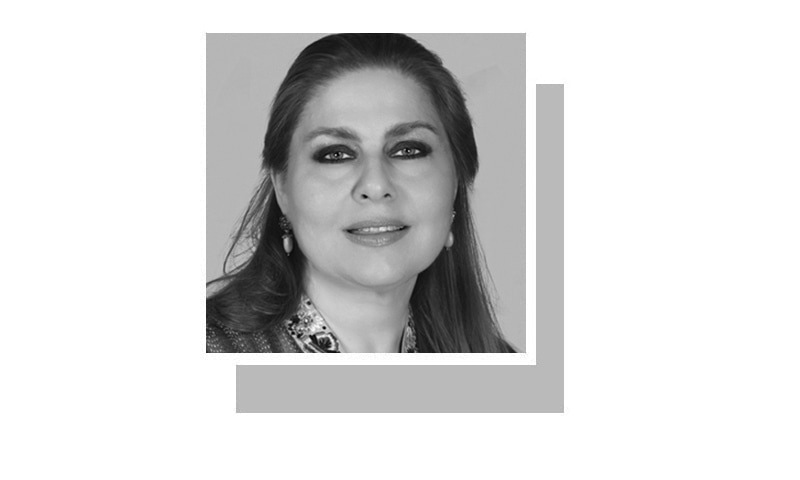
The writer is the chairperson of the National Commission for Human Rights.
Published in Dawn, February 8th, 2026