0
0

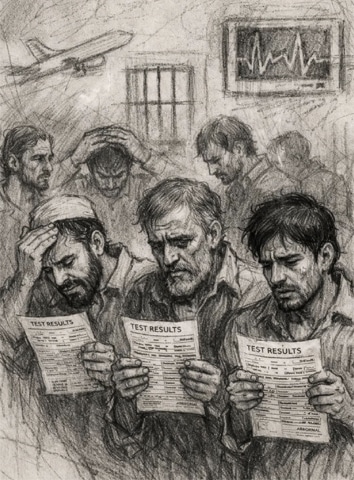
ACROSS Pakistan, thousands of aspiring migrant workers face an invisible, but serious barrier — medical fitness require- ments for employment visas to member countries of the Gulf Cooperation Council (GCC), especially the blood test related to hepatitis C virus.
Intended to protect public health, the current system often relies on outdated antibody tests based on ELISA, creating unjust and unnecessary barriers for those seeking employment abroad. A positive antibody test simply indicates past exposure in the person being tested; not an active infection. The internationally recognised PCR test confirms is the virus is present and transmissible. Yet, applicants who are PCR-negative are frequently treated as unfit based solely on antibodies — a practice that is scientifically unfounded and economically harmful.
The impact is significant for migrant workers. Candidates withdraw applications or miss employment opportunities, while fear of disqualification and stigma affects families. Excluding PCR-negative individuals does not reduce infection risk, it only perpetuates misinformation.
This policy raises important human rights questions. Denying work to medically healthy individuals conflicts with principles of fairness, equality and non-discrimination enshrined in international labour and human rights charters. It amounts to systemic injustice rather than a protective health measure.
The solution is clear. PCR testing must be the decisive factor in determining hepatitis C fitness for employment visas. The authorities in Pakistan and GCC states have the ability to update policies, align them with modern science, and ensure fair treatment for workers.
Thousands of Pakistanis migrate every year to support their families. Outdated medical fitness policies threaten livelihoods, stigmatise healthy individuals, and seriously undermine trust in regulatory systems.
GCC authorities, Pakistan ministries, and international health regulators must act now to ensure that PCR-negative individuals are recognised as ‘fit’ for work. Doing so will safeguard health, and promote fairness, demonstrating that modern medicine drives modern policy.
Ghulam Mujtaba
Rawalpindi
Published in Dawn, February 1st, 2026