0
0


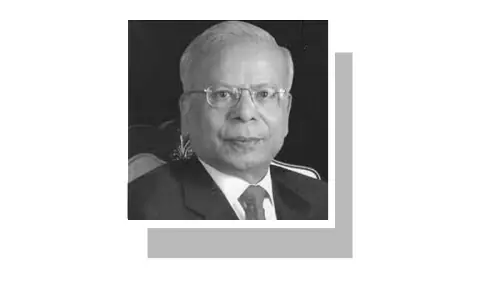
KARACHI: InDrive has claimed that it now holds around 60 per cent of Pakistan’s ride-hailing market, a position its founder and CEO Arsen Tomsky says stems from entering markets where both drivers and passengers feel squeezed by dominant platforms.
The company’s model, which allows users and drivers to negotiate fares directly, traces its roots to Yakutsk, Russia, one of the coldest cities in the world where temperatures can fall to -40°C. On a New Year’s Eve there, taxi companies allegedly formed an unfair agreement that pushed fares sharply higher at a time when walking outdoors was nearly impossible. In response, some students created a social media profile called Independent Drivers, where people could post their route and the fare they were willing to pay.
Drivers would respond, negotiate and agree. The idea undercut the taxi cartel and, in a small city, became a social phenomenon, attracting 50,000 people. It also caught the attention of Mr Tomsky, then head of one of the city’s largest IT companies. Using the same negotiation model, he launched inDrive. Over the next 12 years, the company expanded across 48 countries, including Pakistan.
Speaking to Dawn about Pakistan’s market, Mr Tomsky’s rationale is blunt: inDrive enters when consumers and drivers feel trapped by monopoly or duopoly behaviour, rising commissions, unpredictable pricing and platforms that can push fares up to five times during peak periods to maximise revenue. But, he claims, inDrive charges a lower commission, usually between eight and 12 per cent.
Founder Arsen Tomsky claims 60 per cent share of Pakistan ride-hailing market
However, in a market where Careem, Swvl and Airlift have exited ride-hailing, what makes inDrive confident it can win? “Others squeeze the lemon,” he says, describing platforms that extract the maximum possible revenue under pressure to grow the topline.
He argues the classic ride-hailing playbook is flawed: companies enter with investor cash, subsidise rides to keep prices artificially low and spend aggressively to gain share. Once they achieve scale, they raise prices to recover losses and deliver returns.
InDrive, he claims, is built differently, preferring not to rely on subsidies or heavy advertising. Its main selling point, he says, is letting people set prices, something many users respond to. Since Careem’s exit last year, inDrive says it has seen 40pc growth in ride-hailing, 57pc growth in couriers and a fourfold increase in city-to-city rides in Pakistan.
Yet ride-hailing alone cannot sustain the company’s next ambition: building a one-stop solution through a super app.
Pivot towards quick commerce
Chasing the idea of a super app, inDrive’s first move beyond rides is quick commerce. Pakistan is among the first markets where the company is rolling out this strategy, the second country after Kazakhstan.
The company aims to impact one billion people by 2030, and Mr Tomsky says it makes sense to start in a country with one of the world’s largest youth populations and widespread access to low-cost internet. In Pakistan, he notes, only 2pc of the population uses ride-hailing, leaving significant room for growth.
The first step in the super app journey is quick commerce. Nurken Rzaliyev, head of Q-Commerce Services at inDrive, says Pakistan was selected early based on three factors: market scale, inDrive’s strong local position and the presence of an operationally sound grocery business to partner with.
The initial focus is Karachi. Despite operational complexity due to distance, infrastructure gaps and security risks, inDrive wants to prove the model in the city first. With more than 90pc of Krave Mart’s current business concentrated in Karachi, the company says it is prioritising sustainable growth and profitability before expanding more aggressively into Lahore and the twin cities.
While the partnership with Krave Mart is still subject to regulatory approvals, its marketing campaign is already underway. At a time when multinationals are scaling back and international funding has tightened, renewed interest in a sector that supports the gig economy, especially amid high unemployment, stands out.
Published in Dawn, January 28th, 2026