Japan’s beloved last pandas leave for China as ties fray


 0
0
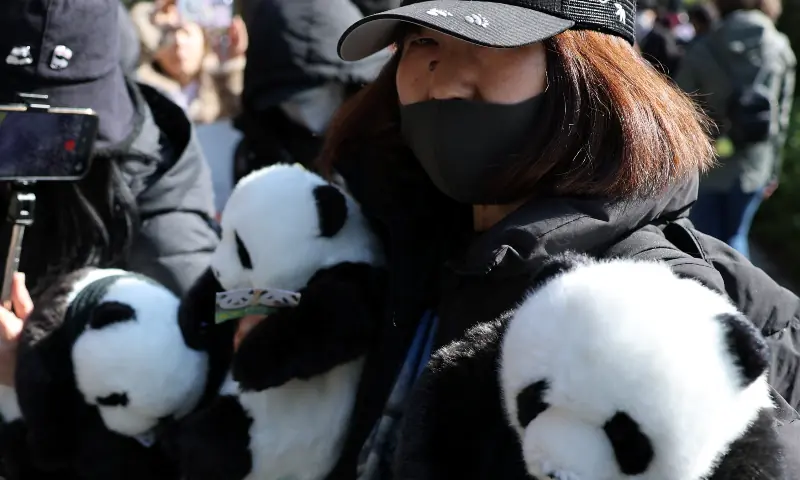
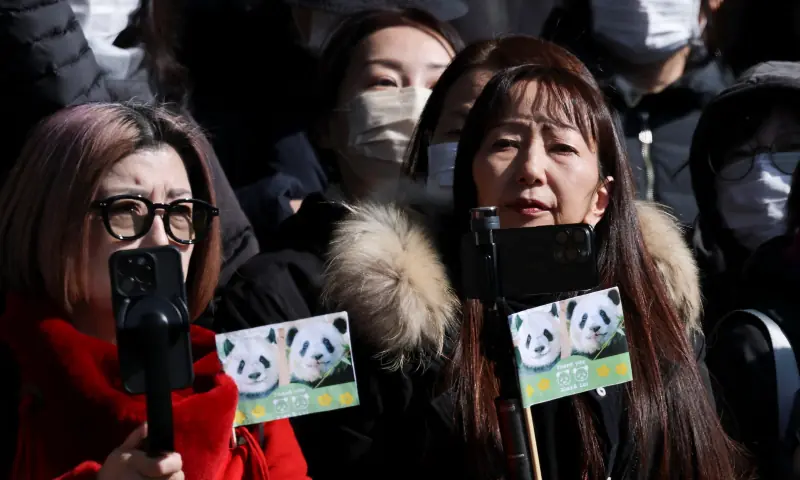
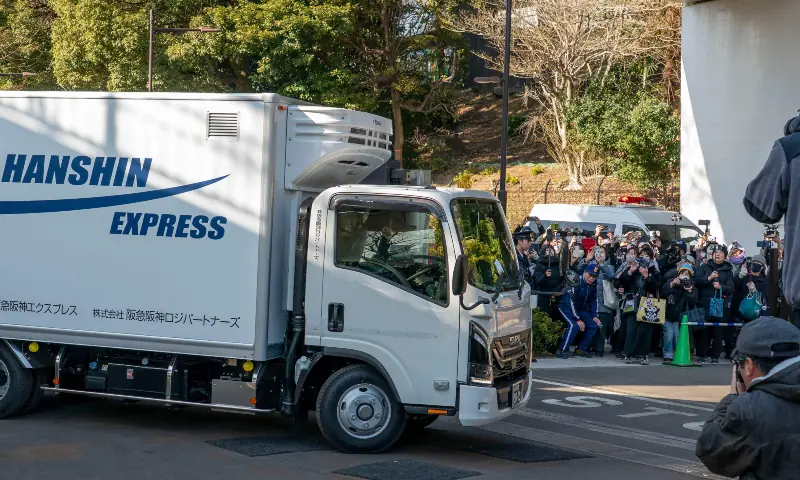

Hundreds gathered to say farewell to two popular pandas departing Tokyo for China on Tuesday, leaving Japan without any of the beloved bears for the first time in 50 years as ties between the Asian neighbours fray.
Panda twins Lei Lei and Xiao Xiao were transported by truck out of Ueno Zoological Gardens, their birthplace, disappointing many Japanese fans who have grown attached to the furry four-year-olds.
“I’ve been coming to watch them since they were born,” Nene Hashino, a woman in her 40s wearing a panda-themed jacket and clutching a bear stuffed toy, told AFP.
“It feels like my own children are going somewhere far away. It’s sad.”
The pandas’ abrupt return was announced last month during a diplomatic spat that began when Japanese Prime Minister Sanae Takaichi hinted that Tokyo could intervene militarily in the event of an attack on Taiwan.
Her comment provoked the ire of Beijing, which regards the island as its own territory.
The distinctive black-and-white animals, loaned out as part of China’s “panda diplomacy” programme, have symbolised friendship between Beijing and Tokyo since they normalised ties in 1972.
Their repatriation comes a month before their loan period expires in February, according to the Tokyo Metropolitan Government, which operates Ueno Zoo.
“According to the relevant agreement between China and Japan, the giant pandas who were living in Japan, Xiao Xiao and Lei Lei, today began their return trip to China,” said Guo Jiakun, China’s foreign ministry spokesman.
“As always, we welcome the Japanese public to come see giant pandas in China.”
Japan has reportedly been seeking the loan of a new pair of pandas.
However, a weekend poll by the liberal Asahi Shimbun newspaper showed that 70 per cent of those surveyed do not think the government should negotiate with China on the lease of new pandas, while 26pc would like them to.
On Sunday, Ueno Zoo invited some 4,400 lucky winners of an online lottery to see the pandas for the last time.
‘Part of my heart’
Well-wishers wearing panda-themed clothes, hats and badges waited for hours on the streets lining the zoo two days later to say their final goodbyes.
They called out to the animals as the windowless truck left the gates.
“It’s so sad,” said Daisaku Hirota, a 37-year-old shop worker who said he tried to visit the pandas as often as he could on his days off.
“I lost one part of my heart,” he said.
Lei Lei and Xiao Xiao were delivered in 2021 by their mother Shin Shin, who arrived in 2011 and was returned to China in 2024 because of declining health.
Since late last year, China has discouraged its nationals from travelling to Japan, citing deteriorating public security and criminal acts against Chinese nationals in the country.
Beijing is reportedly also choking off exports to Japan of rare-earth products crucial for making everything from electric cars to missiles.
However, China routinely removes pandas from foreign countries and the latest move may not be politically motivated, said Masaki Ienaga, a professor at Tokyo Woman’s Christian University and an expert in East Asian international relations.
“If you talk about [Chinese] politics, the timing of sending pandas is what counts,” and pandas could return to Japan if bilateral ties warm, Ienaga said.
Other countries use animals as tools of diplomacy, including Thailand with its elephants and Australia with its koalas, he added.
“But pandas are special,” Ienaga said.
“They have strong customer-drawing power, and … they can earn money.”