0
0

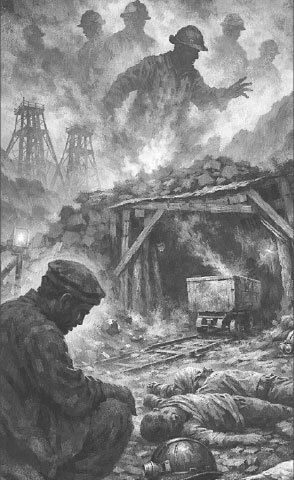
COALMINING remains one of Pakistan’s most crucial yet perilous industries, especially in Balochistan, where thousands of small, privately-run mines provide livelihoods to tens of thousands of workers. The province hosts nearly 3,500 mines, employing around 42,000 miners who extract thousands of tonnes of coal every day. Yet, behind this economic contribution lies a grim reality.
The sector continues to be plagued by deplorable working conditions, weak regulation, and a distressingly high frequency of accidents. Each year, hundreds of miners lose their lives or suffer permanent disabilities, while many develop chronic respiratory and musculoskeletal diseases due to prolonged exposure to unsafe and toxic environments.
The last year was no different, with a succession of tragedies underscoring the persistent dangers that our miners face. Between January and October, at least 53 mining accidents were reported in Balochistan, resulting in nearly 100 deaths and more than 200 injuries, though the actual numbers are likely to be higher due to routine underreporting.
These tragic incidents reflect chronic and systemic safety failures. Although Balochistan has enacted the Occupational Safety and Health Act, 2022, and had amended various industrial regulations in 2021, their enforcement has remained largely superficial.
The regulatory bodies have repeatedly failed to ensure compliance, hindered by corruption, inadequate inspections and a lack of accountability. As a result of such negligence, unsafe mining practices continue to pose risks to the miners’ life.
The province’s mining sector has long been scarred by major disasters. The root causes, like unchecked methane accumulation, poor ventilation, outdated extraction methods, and the absence of gas detection and fire suppression systems, persist without meaningful reforms.
A major underlying issue is Pakistan’s failure to align with international safety standards. Despite expressing its intent in early 2023, Pakistan has yet to ratify the International Labour Organisation (ILO) Safety and Health in Mines Con-vention (C-176), which outlines compre-
hensive safety requirements. Opposition from some mining operators, who fear increased operational costs, continues to stall progress, even as fatalities rise.
Regardless of ratification, however, all ILO member states are obliged to promote safe and healthy working conditions, a responsibility Pakistan has yet to fulfil.
A comprehensive overhaul is urgently required. Effective enforcement of safety regulations, investment in modern ventilation and gas detection systems, mandatory training, and the establishment of properly equipped rescue services are essential.
Drawing lessons from countries like Australia and South Africa, where strict regulations and advanced technology have significantly reduced fatalities, Pakistan must adopt similar standards.
Ratifying ILO conventions, aligning national laws with global best practices, and strengthening welfare mechanisms for miners and their families are vital steps for creating a safer mining environment.
Hussain Ahmad Siddiqui
Islamabad
Published in Dawn, January 24th, 2026